The article argues that the United States' roughly $1.5 trillion annual defense budget—bolstered by a recent $445 billion request—largely benefits major defense contractors while delivering uncertain strategic returns, as shown by the costly, inconclusive campaign against Iran. It draws parallels to the 1934 Nye Committee, which exposed bribery, profiteering and government-industry collusion, and documents contemporary concerns about revolving-door ties, large contracts to politically connected firms, and ongoing legal and ethical controversies. The piece calls for a modern Nye-style congressional investigation to restore oversight and assess the true costs and consequences of current military procurement and policy.
Congress Should Reopen a Nye-Style Inquiry Into War Profiteering

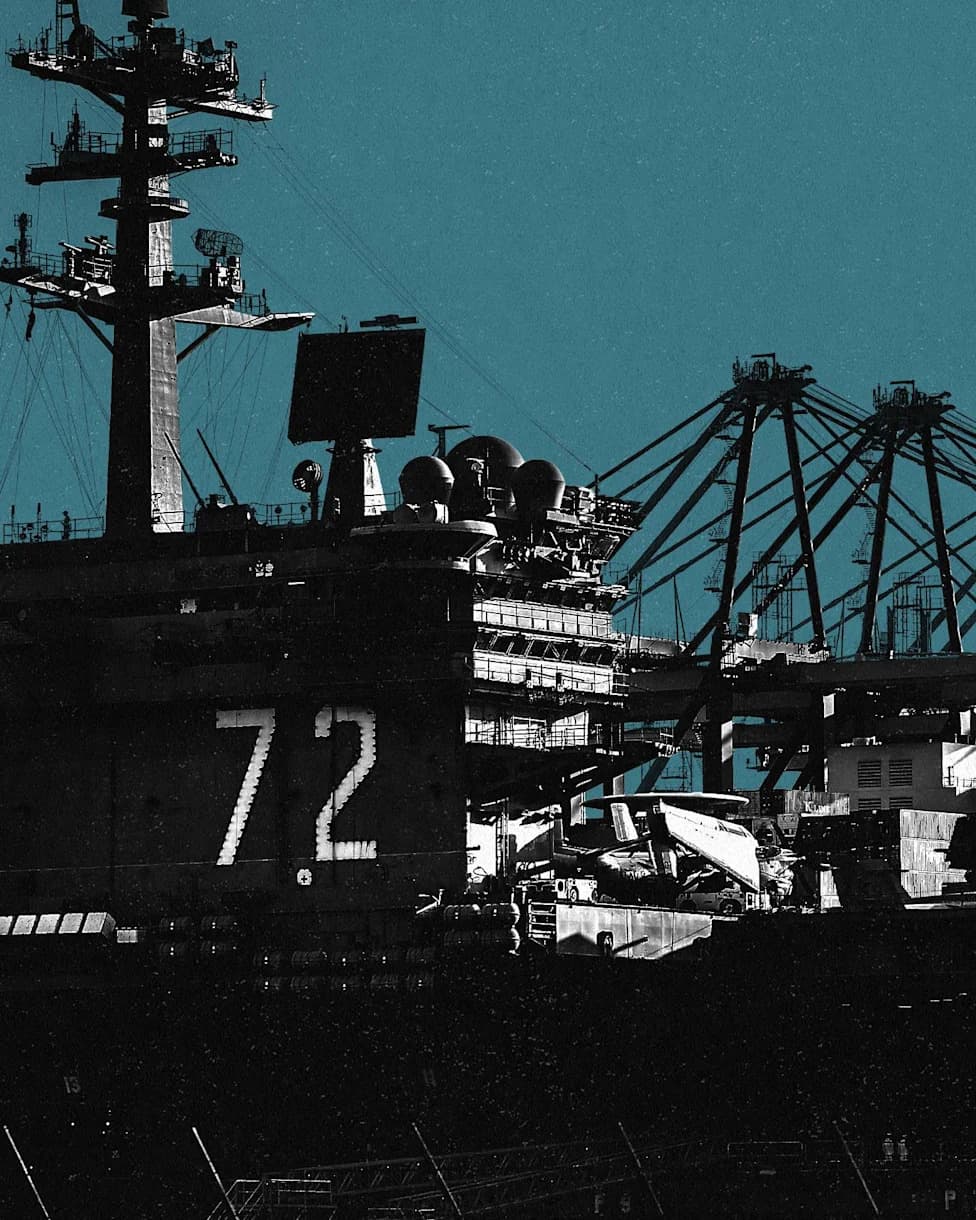
Illustration by Rakhmat Jaka Perkasa
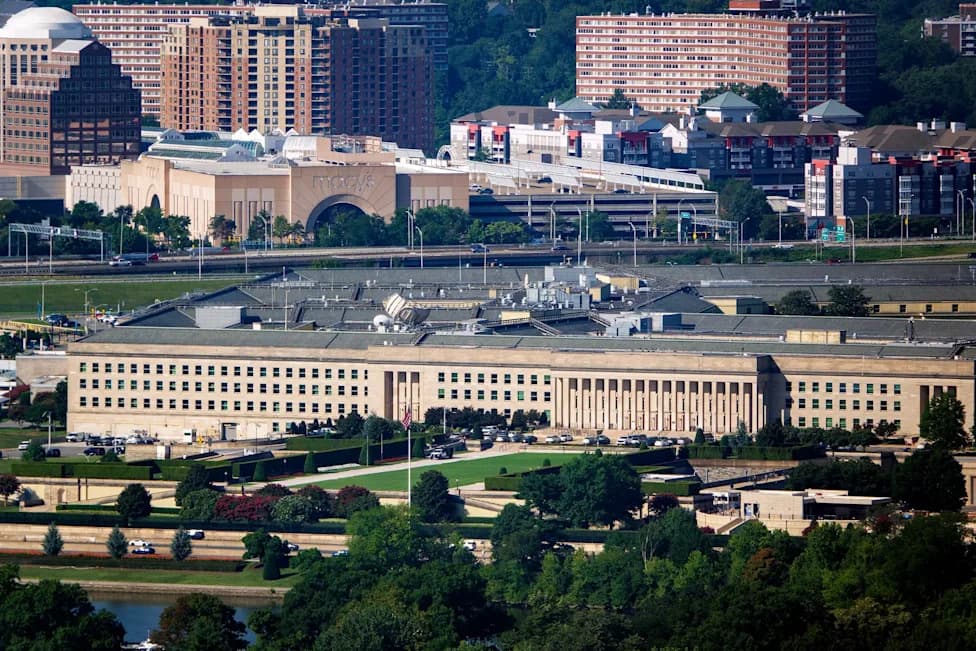
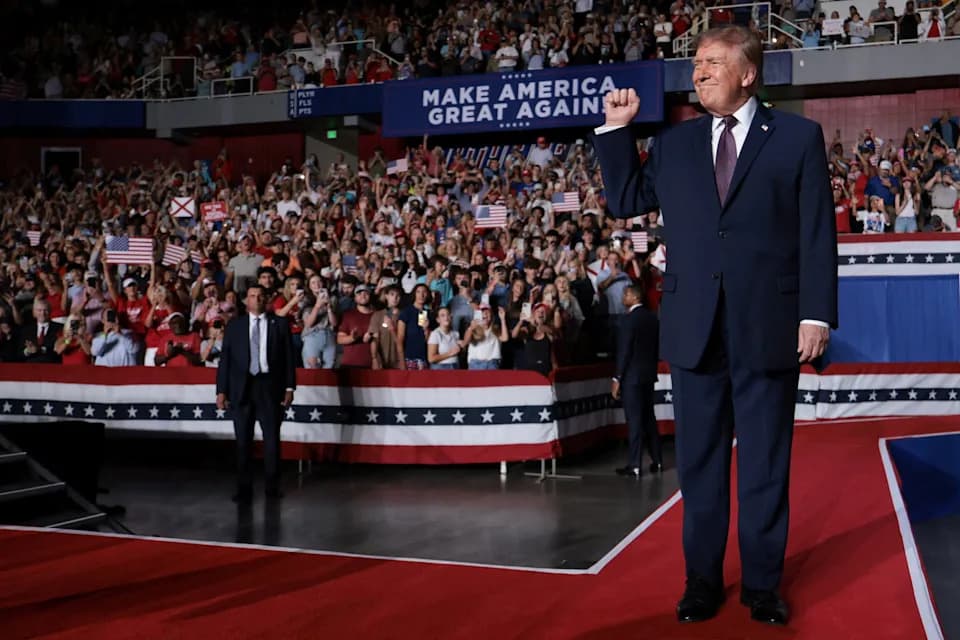
In April, President Donald Trump requested an additional $445 billion for defense, bringing US annual military spending to roughly $1.5 trillion. Much of that money is likely to flow to the so-called Big Five contractors — Boeing, General Dynamics, Lockheed Martin, Northrop Grumman and RTX (formerly Raytheon) — and to costly programs such as the F-35 and the littoral combat ship projects.
Costs, Effectiveness, and Strategic Questions
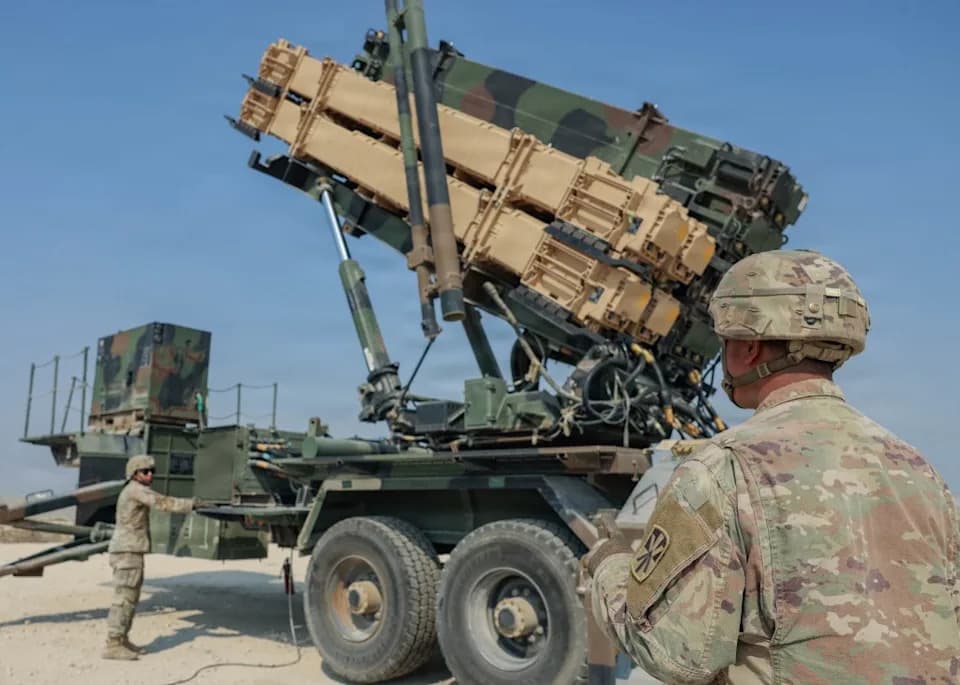
On paper, the Pentagon's budget should make any US military campaign swift and decisive. In practice, the campaign against Iran has demonstrated otherwise. One analyst estimated the conflict has cost about $72 billion and counting, yet Iran has not been decisively defeated. The mismatch between expensive defensive systems and inexpensive offensive systems highlights an important efficiency problem: a Patriot interceptor costs about $4 million and a THAAD interceptor roughly $13 million, while many Iranian attack drones run between $20,000 and $50,000 each. Those low-cost swarms can threaten billion-dollar platforms and have contributed to concerns about munitions shortages.
These expenditures land squarely on American taxpayers. A recent Institute for Policy Studies report estimated the average US taxpayer pays roughly $4,000 a year toward war and weaponry. That raises two urgent questions: what is this money buying, and who benefits?
History Holds a Mirror: The Nye Committee
Nearly a century ago, a congressional inquiry known as the Nye Committee probed similar questions. Convened in 1934, the Special Committee on Investigation of the Munitions Industry documented bribery, profit-seeking, and close ties between manufacturers, diplomats and military officials. Testimony revealed tactics such as playing nations against one another, pressuring foreign buyers, and even evidence of military officers acting as sales agents.
Senator Gerald Nye warned that governments had been actively promoting munitions makers for years, and that urged scrutiny was essential to protect democratic institutions.
What the Nye Inquiry Found—and What It Didn’t Fix
The hearings exposed massive wartime profits for firms such as DuPont and Bethlehem Steel and a pattern of influence that raised alarms across the political spectrum. Yet the committee produced limited lasting reform: proposals to nationalize the industry or require referendums before war failed, and neutrality laws were gradually eroded as global tensions rose toward World War II.
Modern Parallels and Ongoing Concerns
Contemporary analysts and journalists have continued this scrutiny. Recent books like The Trillion Dollar War Machine and The Spoils of War document the revolving door between contractors, government and think tanks, plus aggressive lobbying and media influence. Citizens' initiatives and tribunals have also condemned industry behavior; a January 2025 citizens' tribunal concluded that some American weapons contractors had committed crimes against humanity, a finding that adds moral urgency even as it remains outside conventional legal channels. Meanwhile, legal and ethical controversies continue to surface around major suppliers.
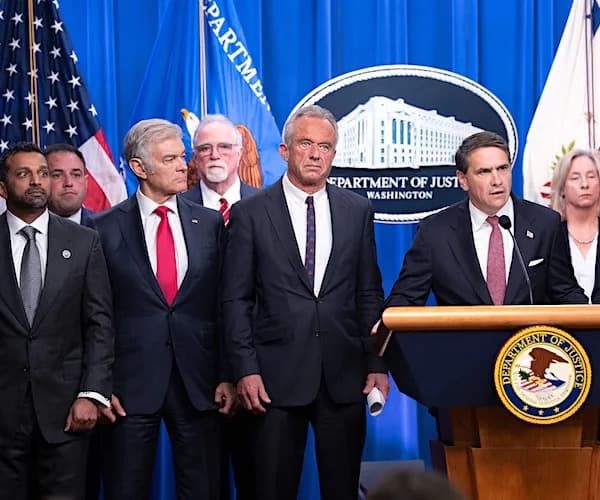
Conflicts of interest persist: private firms with political ties have won lucrative defense contracts. For example, Anduril Industries — founded by a prominent political donor — received a multihundred-million-dollar Pentagon contract for missiles and drones, and executives and other prominent figures have publicly advocated policies that could benefit their businesses. These patterns echo the concerns raised by the Nye Committee: when private profit and public war-making intertwine, democratic oversight weakens.
Why a New Inquiry Matters
Senator Nye argued that vigorous legislative investigations were essential to guard against concentrated economic and political power. The same argument applies today. A modern, well-resourced congressional inquiry could examine procurement inefficiencies, the true costs of current strategies, industry influence on policy, and the ethical and legal implications of arms exports and government contracts.
Without renewed oversight, the structural incentives that sustain prolonged, costly conflicts will remain intact. The United States can and should demand greater transparency, accountability, and a more sober assessment of whether current spending delivers strategic value or primarily enriches private interests.
Note: This article originally appeared in Jacobin, a democratic socialist magazine that publishes long-form essays on politics, economics and culture.
Help us improve.