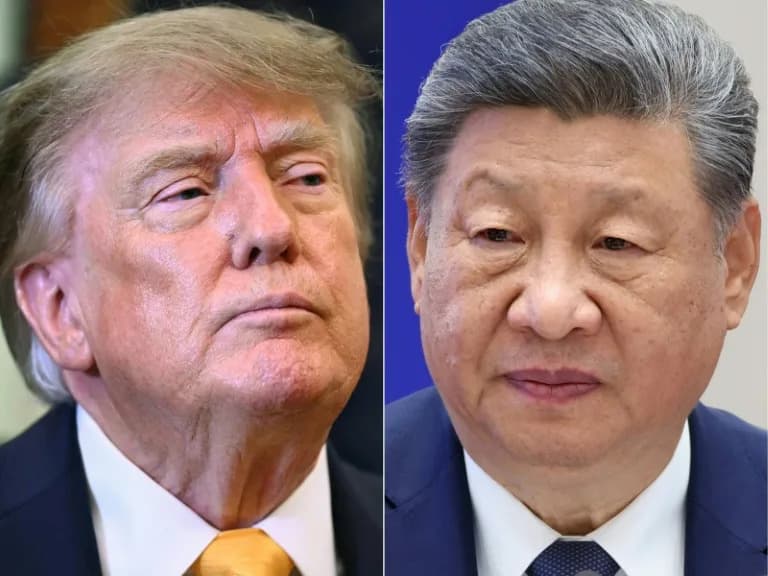
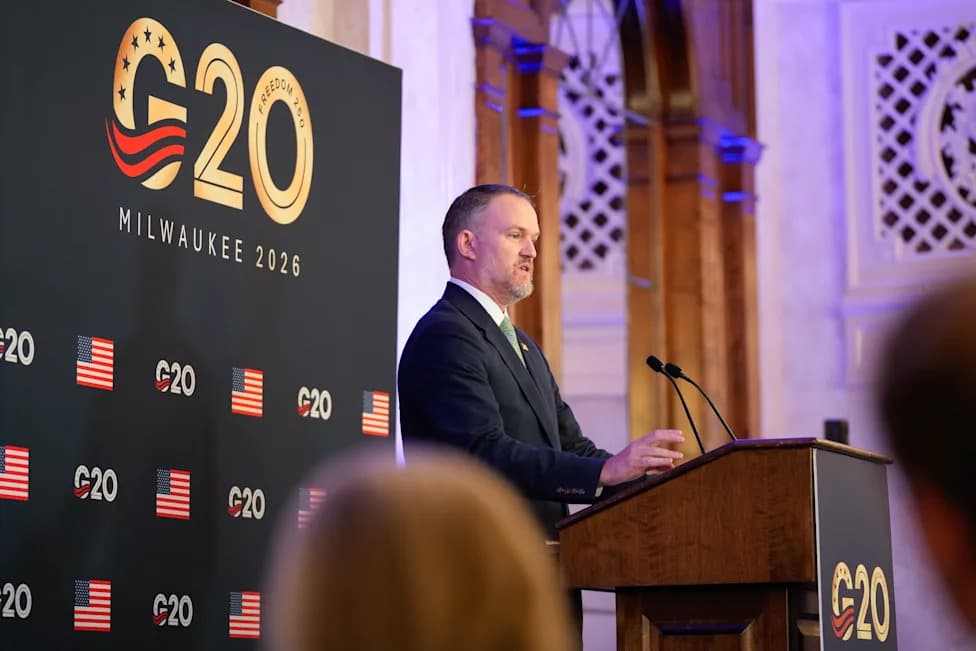
Trade talks between the United States and India remain stalled amid legal, strategic and political complications, including a new U.S. law targeting buyers of Russian oil that could expose India to large tariffs. Prime Minister Narendra Modi and President Donald Trump described a recent phone call as "productive," but Indian officials express mixed signals about the prospects for a deal. Key obstacles include tariff threats, market access—especially agriculture—and regional security tensions. Leaders hope face‑to‑face meetings at the G20 in December may provide a chance to revive negotiations.
India–US Trade Standoff: Outlook Unclear as Talks Stall Ahead of the G20
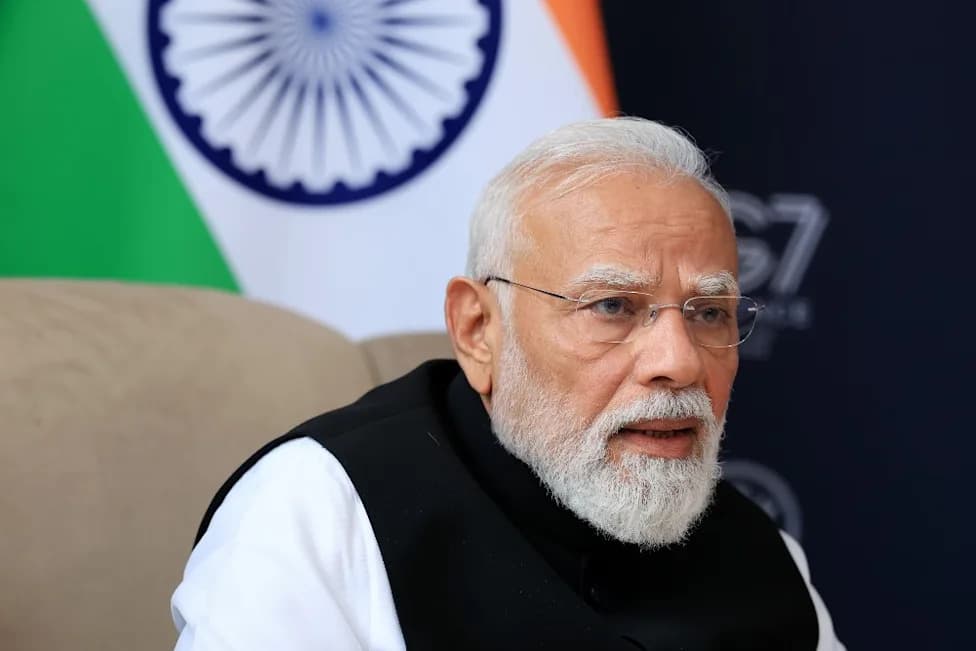
Will the India-US Trade Standoff Ever Come to an End? Outlook Unclear, According to Officials
A complex mix of politics, security concerns and trade policy has stalled momentum toward a long‑anticipated trade agreement between the United States and India. A recent U.S. law targeting buyers of Russian oil — which could expose New Delhi to sweeping American tariffs — has added fresh urgency and uncertainty to negotiations.
Recent Diplomatic Exchange
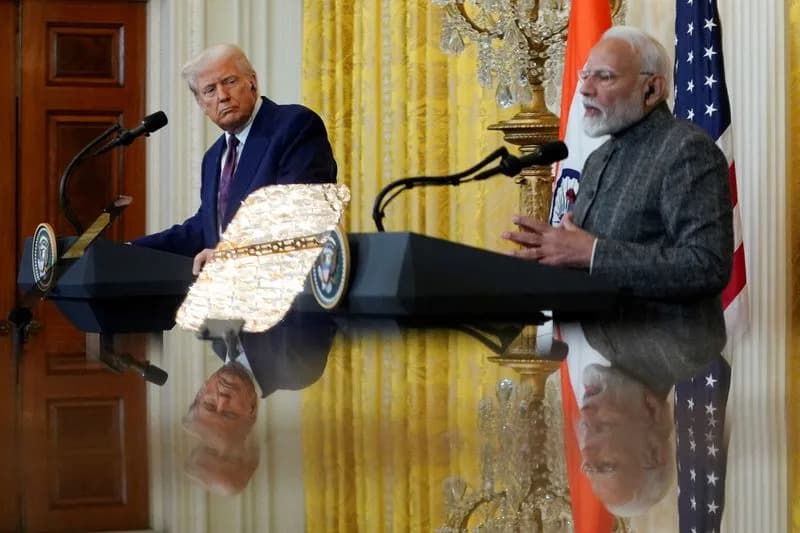
Indian Prime Minister Narendra Modi and U.S. President Donald Trump spoke by phone this week in what both leaders described as a "productive" exchange — their first direct contact since the Sanctioning Russia Act was signed into law on Sept. 18. Modi said the leaders reviewed cooperation on trade, defence, energy, critical technologies and other areas and agreed to maintain close engagement on their Comprehensive Global Strategic Partnership.
Where the Talks Are Stalled
Several sticking points have slowed progress:
- U.S. legislation targeting purchases of Russian oil could expose India to very high U.S. tariffs, a major leverage point that complicates negotiations.
- India has previously faced U.S. tariffs of up to 50 percent, a rate that was reduced to 25 percent in February amid talks — but progress was interrupted after a U.S. court decision unsettled Washington's main tariff framework earlier this year.
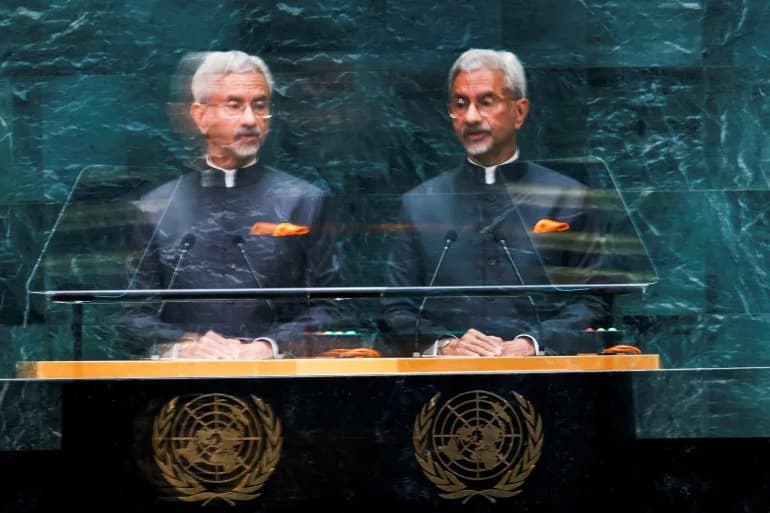
- Security issues have created friction. India’s foreign minister, S. Jaishankar, has criticized what he called Washington’s "self‑centered" trade approach and warned that perceived lack of empathy on matters like terrorism and regional security strains relations.
- Market access remains contentious, especially U.S. reluctance to open key agricultural markets to Indian exports as part of any comprehensive deal.
S. Jaishankar: "Now, if something which matters so deeply to us, there isn't enough understanding or appreciation or empathy of that, I think that creates a problem too."
Political Signals and Competing Messages
Indian officials have offered mixed public signals. Commerce and Industry Minister Piyush Goyal described negotiations as having "entered the end zone" and said a deal with the U.S. was "almost done and dusted," while other senior officials have taken a more cautious tone. Those divergent messages reflect the complexity of reconciling political priorities, trade protections and strategic alignment.
Regional Tensions and Timing
Security developments have also complicated ties. India and Pakistan clashed in May 2025 after a deadly April attack in Indian‑administered Kashmir, and although a ceasefire was brokered, the episode heightened sensitivity in New Delhi about how the U.S. interprets and responds to India's security concerns. The U.S. has at times framed its role as a mediator; President Trump has publicly claimed credit for helping secure a de‑escalation, a claim New Delhi has pushed back on.
What Comes Next
Prime Minister Modi appears intent on reviving momentum. He is expected to attend the G20 leaders' summit in Florida this December, and that setting — including potential face‑to‑face meetings with President Trump — is being viewed as a critical opportunity to push stalled talks forward. Modi will also use his North America trip to pursue other trade priorities, including ongoing negotiations on a Comprehensive Economic Partnership Agreement with Canadian counterparts.
Bottom line: Substantive disagreements on tariffs, market access and security issues mean a comprehensive India‑U.S. trade deal remains uncertain. High‑level engagement in the coming weeks could either break the logjam or further underline the depth of the challenges.
Help us improve.