Student reporters at Cornell and across the U.S. have forced renewed scrutiny into serious allegations, demonstrating the real-world impact of scholastic journalism. Despite notable wins, student newsrooms face dwindling resources, rising censorship, and pressure on faculty advisers. Investing in and protecting scholastic journalism is presented as urgent civic infrastructure that cultivates media literacy and accountability.
How Cornell’s Student Reporters Proved Campus Newsrooms Are Essential
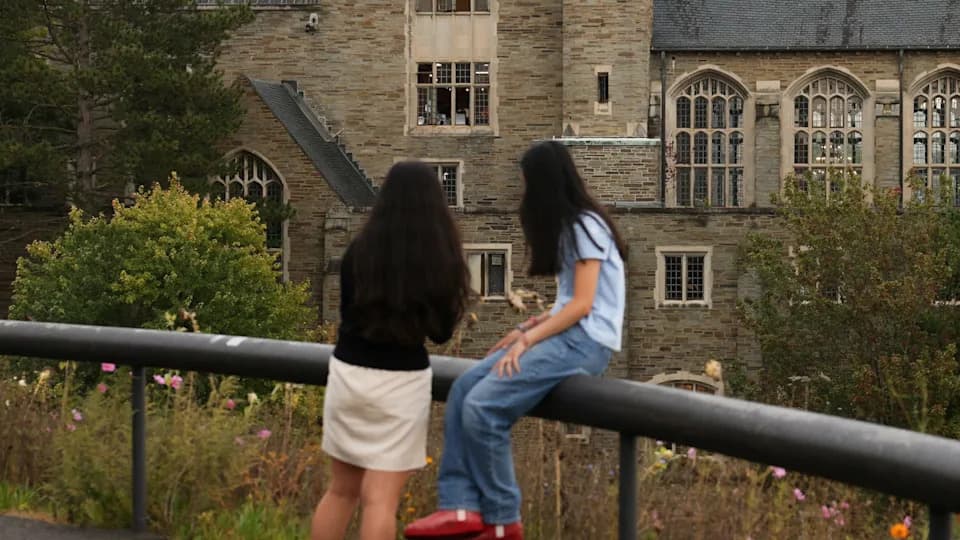
Students look at Cornell University’s campus in Ithaca, New York, on Oct. 1, 2026.
In a forceful Sept. 21 editorial during The Cornell Daily Sun’s reporting on an alleged 2024 gang rape, the paper’s editorial board wrote:
"We ask the questions the University has left unanswered."
That understated the role student journalists played. When an anonymous former student filed a lawsuit on Sept. 16 alleging a night of brutal violence at a fraternity house, The Daily Sun was already deeply engaged—having tracked the case for 23 months and secured an exclusive interview with the plaintiff. The student newsroom emerged as a leading source of scrutiny and public information on a matter the university had not fully explained.
To be clear, several men named in the suit have denied guilt, and there are valid concerns about publishing names before legal findings are final. Even so, Cornell’s reporters doggedly pursued answers about how the university handled the allegations, extracting statements from reluctant administrators and from defendants identified in the filing—prompting a broader public review.
Student Reporting That Mattered
Their reporting helped spur the reopening of a criminal investigation, the release of internal details about university accountability, and the launch of an independent review of Cornell’s response. The Sun’s work is only one high-profile example of how scholastic newsrooms are holding power to account.
Across the country, student journalists have produced consequential investigations: a teen reporter at Redwood High in Marin County exposed previously unknown local ties to Jeffrey Epstein; The Daily Californian revealed that UC Berkeley shared student and staff names in a government probe into antisemitism; and University of Maryland students have documented ICE arrests and covered immigration courts, with coverage picked up by national outlets.
Pressure on Student Newsrooms
Yet these victories come amid intensifying threats. The share of public high schools with student newspapers dropped from 64% to 45% between 2011 and 2021—and fell to 27% in many rural and disadvantaged urban districts. Collegiate journalism also faces cuts: an analysis found at least 20 four-year colleges reduced newspaper funding since 2020, and Poynter has documented rising conflicts and censorship attempts between universities and student newsrooms.
Calls to the Student Press Law Center’s legal hotline have risen about 42% in recent years. In one case, Indiana University dismissed its student media director after he refused to censor content. In another, the longtime adviser to the Redwood Bark took a leave of absence after pushback over the Epstein investigation. In several states, district officials have sought the power to review and veto student newspaper proofs—effectively appointing themselves editors.
Why Scholastic Journalism Matters
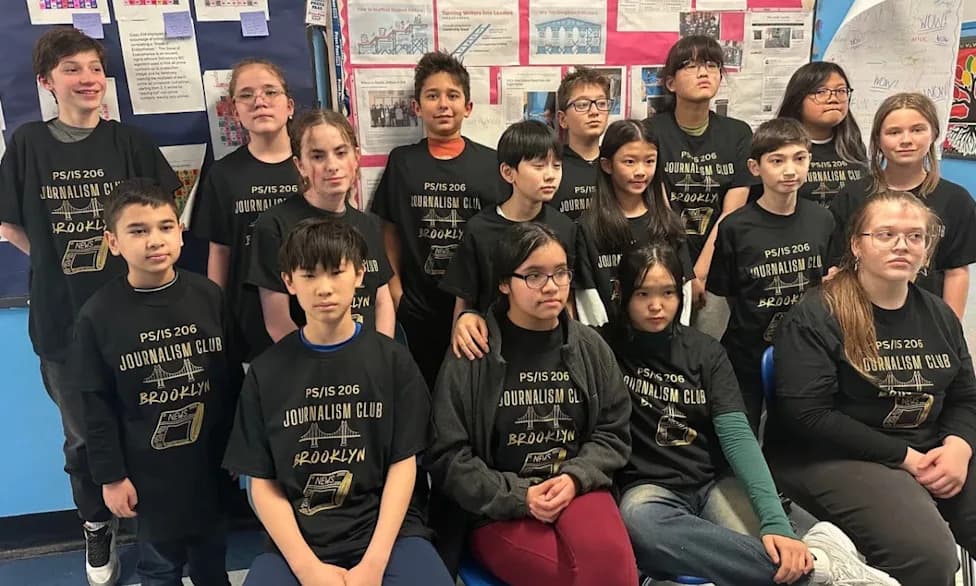
Student newsrooms teach essential civic skills—reporting, verification, accountability and media literacy—while connecting young people to their communities. They have produced tangible results: student investigations contributed to the firing of Northwestern’s football coach and the resignation of Stanford’s president in 2023, and an investigation by Massachusetts high school reporters stopped the use of prison labor on a school contract.
In towns with shrinking local news, student-run outlets often fill the gap. In Pulaski, Wisconsin, the high school’s Pulaski News is the only local outlet and has informed the community for decades. These programs are both a pipeline to professional journalism and living laboratories for civic education.
Whatever the legal outcome of the Cornell case, the Sun’s reporting has raised questions that campuses nationwide will now reexamine—about transparency, accountability, and the protocols for handling sexual-assault allegations. Cornell’s student editors and reporters have underscored that investing in scholastic journalism is an investment in the health of the free press and in lived civics education.
Authors: Amanda Little is a Vanderbilt University professor, author and founder of Students United News Network (SUNN), which mentors student newsrooms and publishes their work on The SUNN Post. Caroline Saunders is managing director and editor-in-chief of The SUNN Post and has a background in journalism and nonprofit news operations.
Help us improve.