Dr. Michael Freeman will deliver an independent review of Jeffrey Epstein's 2019 autopsy at University College London on Nov. 16, using the complete medical examiner's file released by Epstein's next of kin in 2025. Freeman will compare the New York City medical examiner's conclusions with the autopsy record and scene reports and present a biomechanical analysis of Epstein's neck injuries. The event will also highlight procedural questions cited by UCL and the broader controversy surrounding the original suicide ruling.
Forensic Expert to Reexamine Jeffrey Epstein Autopsy at UCL — Questions Raised Over Suicide Ruling
(Getty Images)
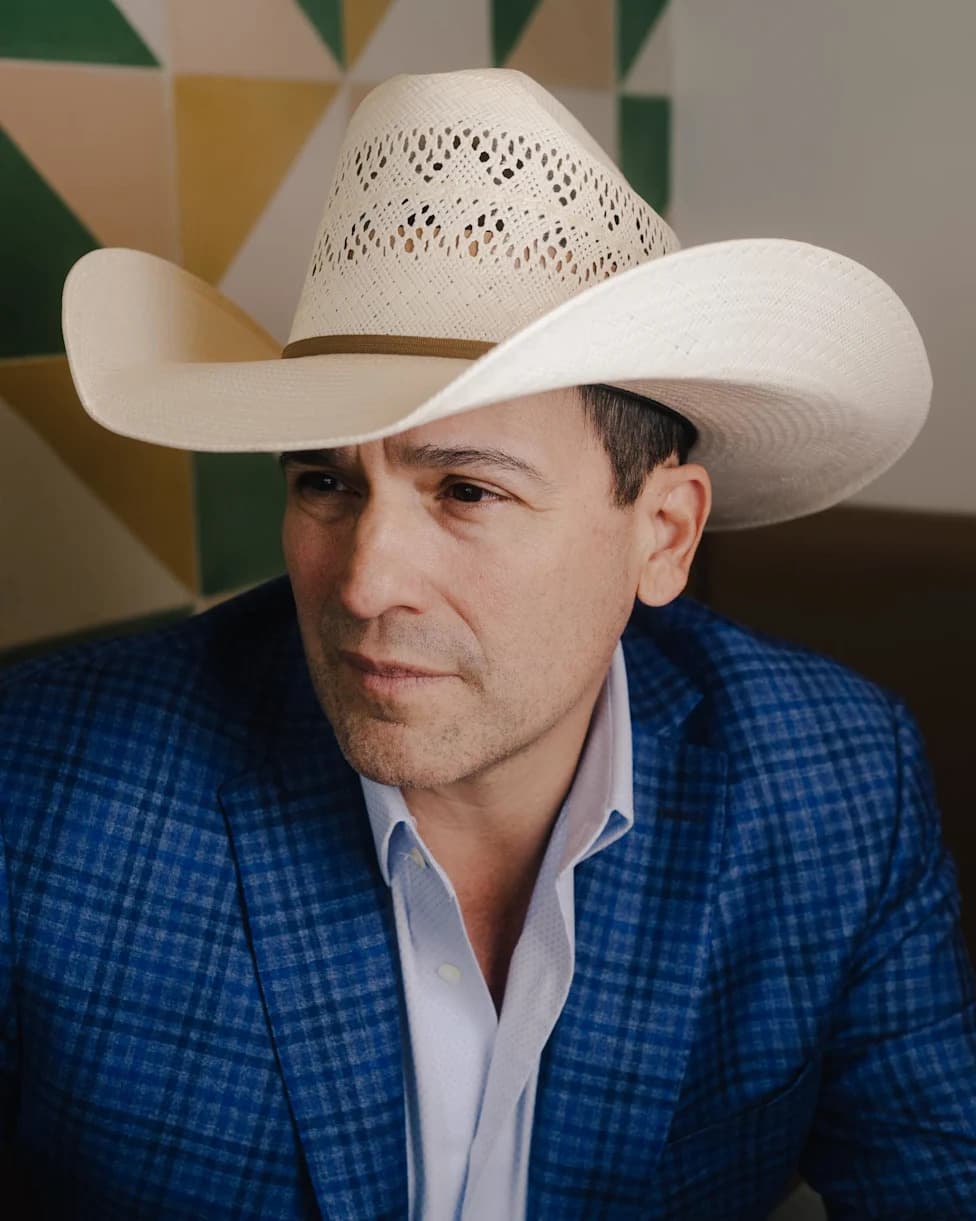
Dr. Michael Freeman, a forensic medicine specialist who served as a cause-of-death consultant during the George Floyd investigation, will present an independent review of Jeffrey Epstein's 2019 autopsy at University College London on Nov. 16. The lecture, hosted by UCL's Centre for Criminal Law at the Faculty of Laws, will reexamine the New York City medical examiner's conclusion that Epstein died by suicide while in a Manhattan federal jail.
What Freeman Will Review
According to the event listing, Freeman will compare the rationale given by the New York City medical examiner with the complete autopsy file and contemporaneous reports about the condition and location of Epstein's body. He will also present a biomechanical analysis of the neck injuries described in the autopsy and explain how such injuries could have been produced, concluding with his expert opinion on the likely manner of death.
Source Material And Public Release
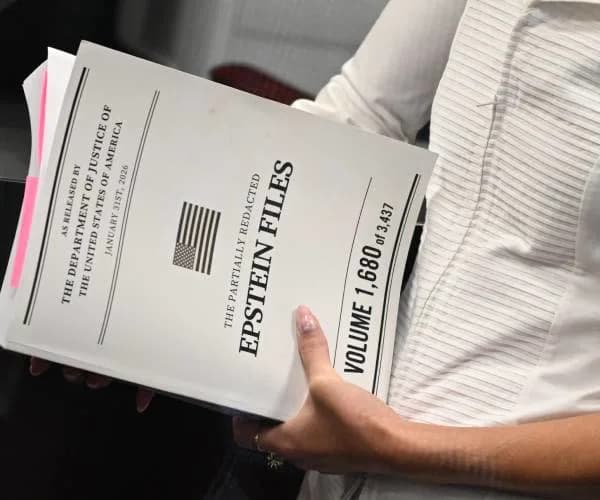
UCL says the review is based on the full medical examiner's file, which Epstein's next of kin released in 2025 and expressly authorised for review and publication of findings. The university has said it will make the file's contents public on the day of the lecture.
Context And Contested Findings
Epstein, 66, was found dead in his cell at the Metropolitan Correctional Center in Manhattan on Aug. 10, 2019, while awaiting trial on federal sex-trafficking charges. The New York City medical examiner ruled the death a suicide by hanging. That ruling has been widely disputed: forensic pathologist Michael Baden, retained by Epstein's family, said the neck fractures reported at autopsy were more consistent with homicidal strangulation, while then–Chief Medical Examiner Barbara Sampson defended the suicide finding.
“The investigation and the evidence remain the subject of significant public interest and professional scrutiny,” UCL's event listing states.
A 2023 Justice Department inspector general report faulted jail staff for widespread negligence but said it found no evidence to overturn the medical examiner's suicide determination. The medical examiner who conducted the autopsy also explained the basis for the ruling during the inspector general's review.
Questions Highlighted By UCL
UCL's event summary notes aspects it says were unusual for a typical suicidal hanging investigation: that no photographs of Epstein at the scene were taken, that the ligature was not preserved or examined, and that a guard who reported finding Epstein declined to speak with investigators for two years. Freeman's lecture will address these procedural questions alongside the forensic analysis.
About Dr. Michael Freeman
Freeman is an associate professor of forensic medicine at Maastricht University Medical Center in the Netherlands. He previously chaired the forensic and legal medicine faculty at the Royal College of Physicians (UK), edits the Journal of Forensic and Legal Medicine, and has served as an expert witness in numerous cases.
Event: Nov. 16 at UCL Faculty of Laws, hosted by the Centre for Criminal Law. UCL says the medical examiner's file will be released publicly on the day of the lecture.
Help us improve.