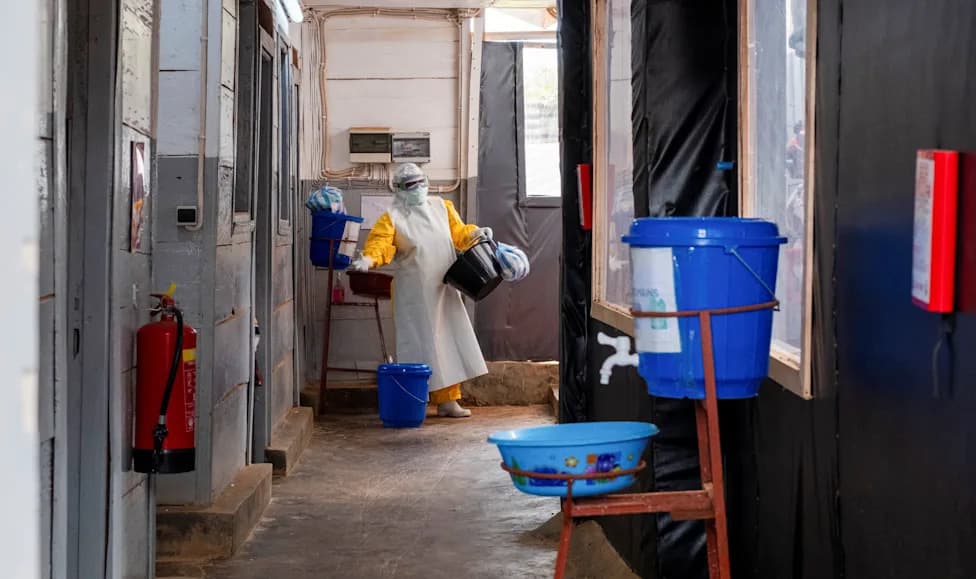
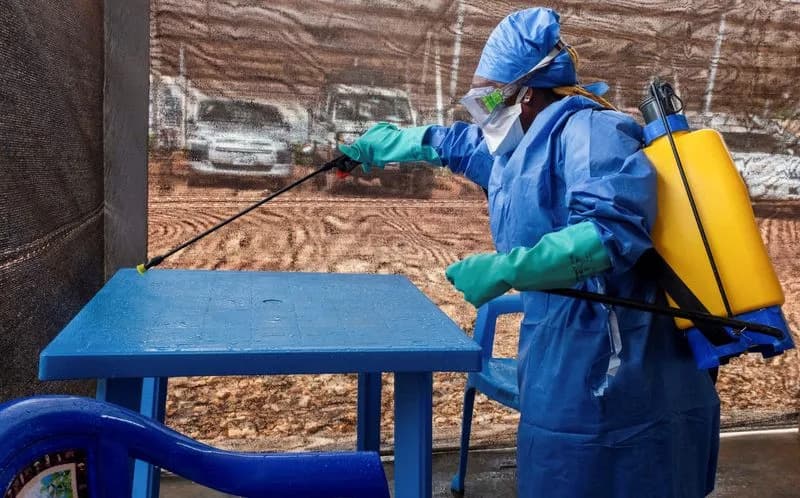
The Democratic Republic of Congo's largest recorded Ebola outbreak has killed 4,018 people among 8,300 confirmed cases, with 2,162 recoveries and a 48.4% fatality rate. First detected in mid-May in Ituri, the epidemic has spread to seven provinces and is caused by the Bundibugyo strain. Armed conflict, militia attacks and deep mistrust of authorities have disrupted response efforts, displacing thousands and damaging treatment facilities. International support includes €13.4 million from France and a new $267 million contribution from the United States; vaccine trials—including Ervebo for frontline volunteers—are underway.
DR Congo Ebola Outbreak Tops 4,000 Deaths as Conflict Hinders Response
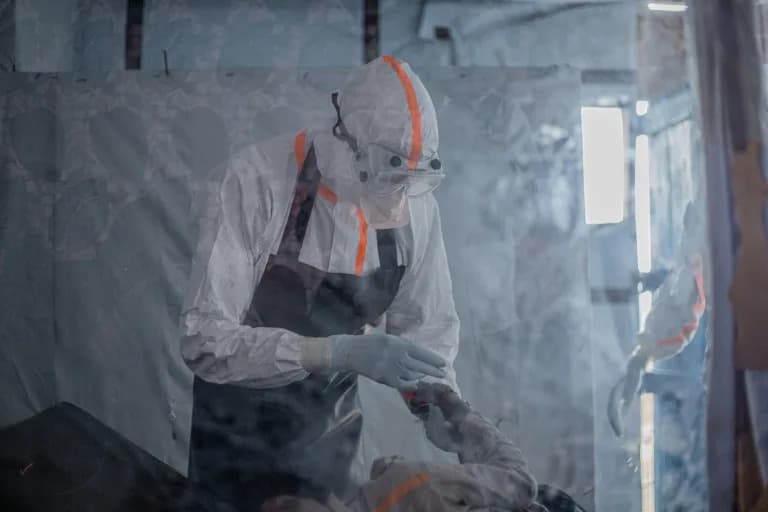
The fatality rate of the current Ebola outbreak is over 48 percent (BENEDICTION MURHABAZI)
Kinshasa, Democratic Republic of Congo — Officials reported on Friday that the country's worst-ever Ebola outbreak has now claimed more than 4,000 lives, with over 8,300 confirmed infections since mid-May.
According to the latest official figures, there have been 4,018 deaths among 8,300 confirmed cases and 2,162 recoveries, giving a case fatality rate of 48.4% to date.
Spread, Strain and Vaccination Efforts
The outbreak, first detected in Ituri province in mid-May, has spread to seven provinces in the north and east. Health authorities say the epidemic is caused by the Bundibugyo strain of the Ebola virus. Several vaccines and treatments are under study; the Ervebo vaccine—previously shown to protect against the Zaire strain—has been administered in recent weeks to volunteer frontline staff as part of a clinical trial.
Security Problems Hamper Containment
Response efforts have been severely undermined by armed clashes, militia activity and deep-rooted mistrust of authorities in affected areas. The UN reported that violent clashes in Ituri have displaced more than 5,000 people and disrupted containment activities.
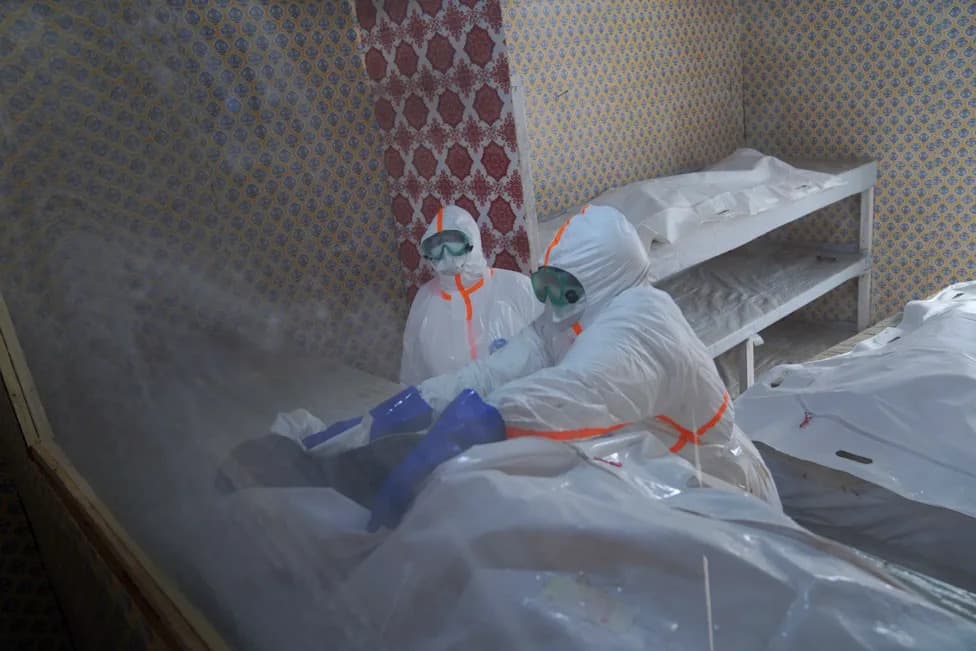
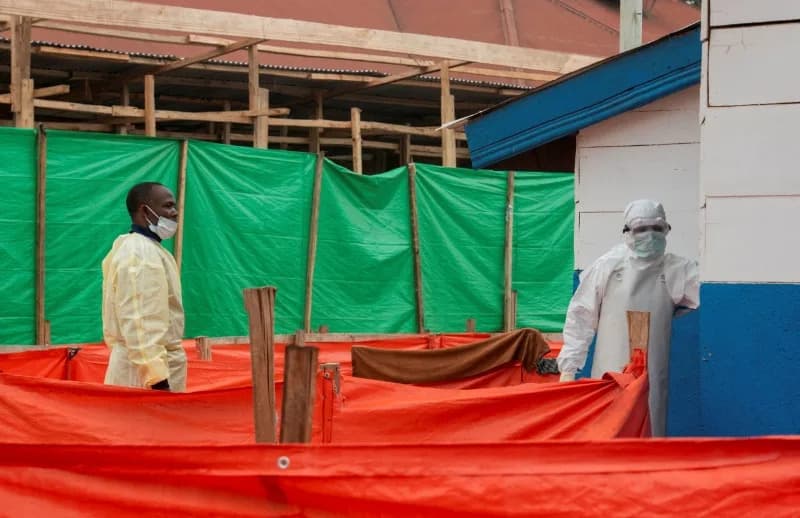
A transit centre for Ebola patients in Ituri was burned down after soldiers entered a camp for displaced people, causing residents to flee, the UN said. In North Kivu, a contractor responsible for case detection was killed in an attack on a health facility.
International Support
France's Foreign Minister Jean-Noel Barrot visited Bunia, the capital of Ituri, to show support for local authorities and humanitarian teams. Paris has allocated €13.4 million to Ebola response efforts between January and July. The United States announced an additional $267 million to help limit the disease's spread.
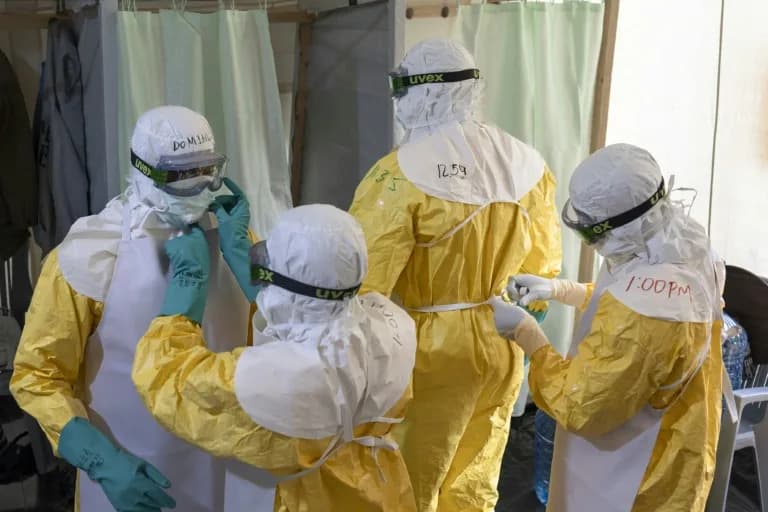
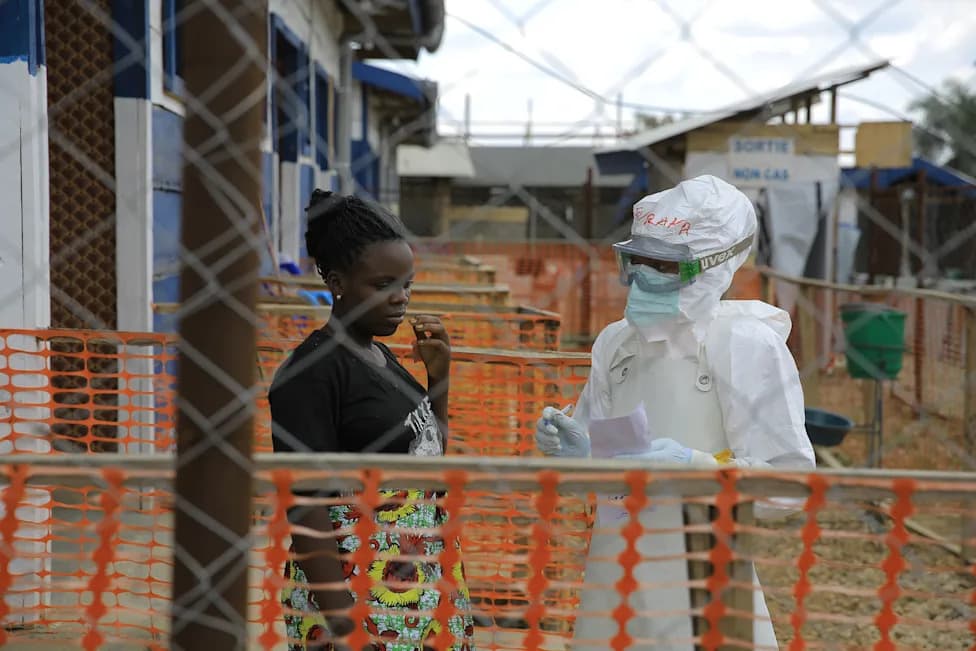
Healthcare workers remain especially vulnerable in remote, under-resourced regions where medical infrastructure is weak. Officials warn that ongoing insecurity and community distrust pose major obstacles to case detection, contact tracing, safe burials and vaccination campaigns.
What Comes Next: Authorities and international partners are calling for enhanced security for health teams, expanded vaccination and treatment trials targeted at the Bundibugyo strain, and improved community engagement to rebuild trust and contain the outbreak.
Help us improve.