The murder of Marie-Célestin Karondwa in Butembo—beaten and whose home was set alight after he publicly supported Ebola response measures—underscores how deep public mistrust is undermining efforts to contain the DRC’s largest Ebola outbreak. More than 8,000 cases and nearly 4,000 deaths have been recorded, and responders face resistance in communities where some believe Ebola is a hoax. The outbreak is driven by the rare Bundibugyo virus; no approved vaccines or treatments exist yet, though clinical trials are underway. WHO warns the epidemic remains serious and may surpass the 2014–2016 West Africa outbreak.
Local Politician Beaten and Home Torched After Defending Ebola Response; Mistrust Hampering DRC Efforts
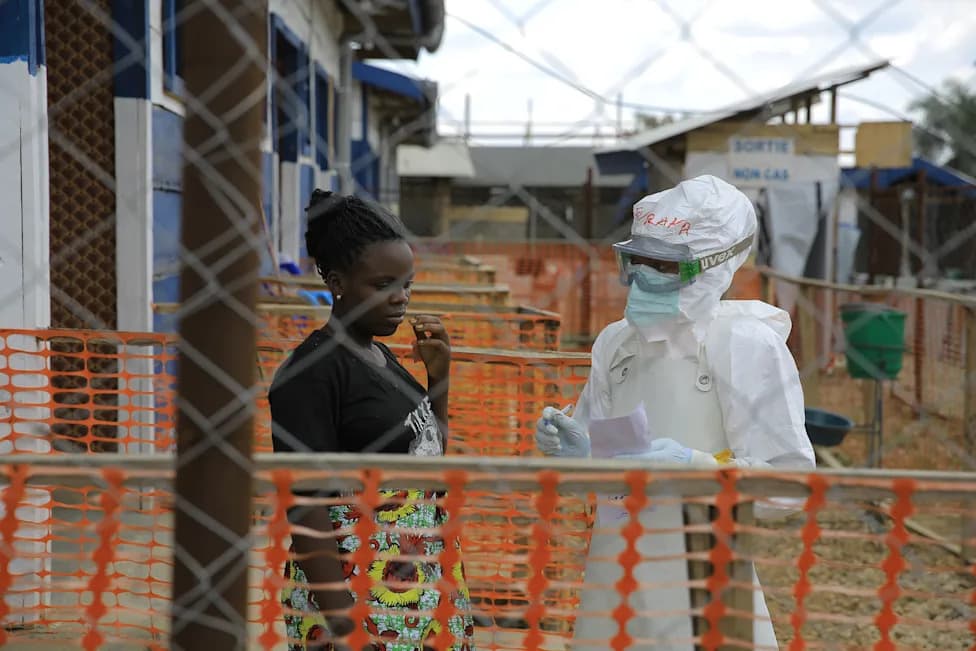
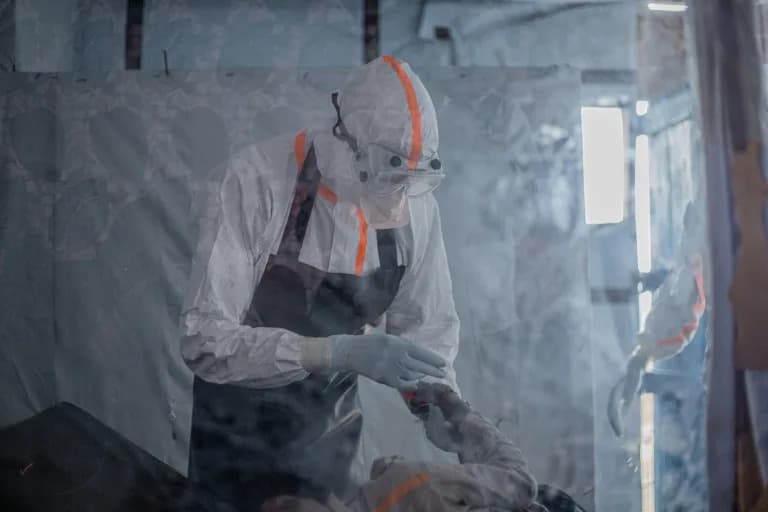
A healthcare worker speaks to Ebola patients inside a treatment center in Beni, North Kivu province, eastern Congo, Saturday, Sept. 26, 2026. (AP Photo/Sebastien Kitsa Musayi)(AP Photo/Sebastien Kitsa Musayi)
BUTEMBO, Democratic Republic of Congo — Mourners gathered Wednesday to bury Marie-Célestin Karondwa, a local official with the ruling Union for Democracy and Social Progress (UDPS), who was beaten at his home and whose house was set on fire after he publicly defended government measures to fight the current Ebola outbreak. Karondwa later died of his injuries at a local hospital, party members and family said.
Attack Highlights Deep Mistrust
The attack took place Sunday in Butembo, an Ebola hotspot in North Kivu province. Authorities and response teams say the killing underscores a broader problem: deep public mistrust that is complicating efforts to contain what has become the Democratic Republic of Congo's largest and deadliest recorded Ebola outbreak.
“They beat him up and then set the house alight,”
Sagesse Kavira, Karondwa’s granddaughter, told The Associated Press at the funeral.
Community Resistance and Response Challenges
So far the outbreak has recorded more than 8,000 cases and nearly 4,000 deaths. This month authorities rolled out a village-centered approach intended to curb transmission, but response teams report resistance in some communities where people dismiss Ebola as a hoax. Skepticism is fuelled in part by widespread distrust of state institutions — rooted in past outbreak management, corruption concerns and long-running conflict.
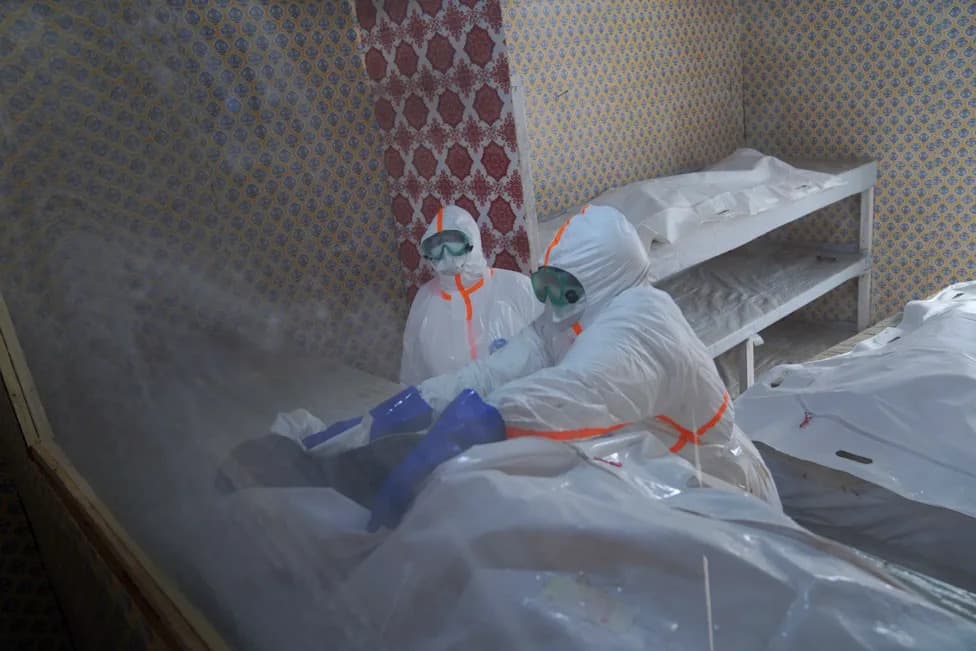
Responders say distrust is especially acute in eastern Congo’s territories affected by rebel activity, where decades of violence and reported human rights abuses have left many residents wary of outsiders and government officials. That wariness has hindered timely case detection, safe patient care and contact tracing—key elements needed to interrupt transmission.
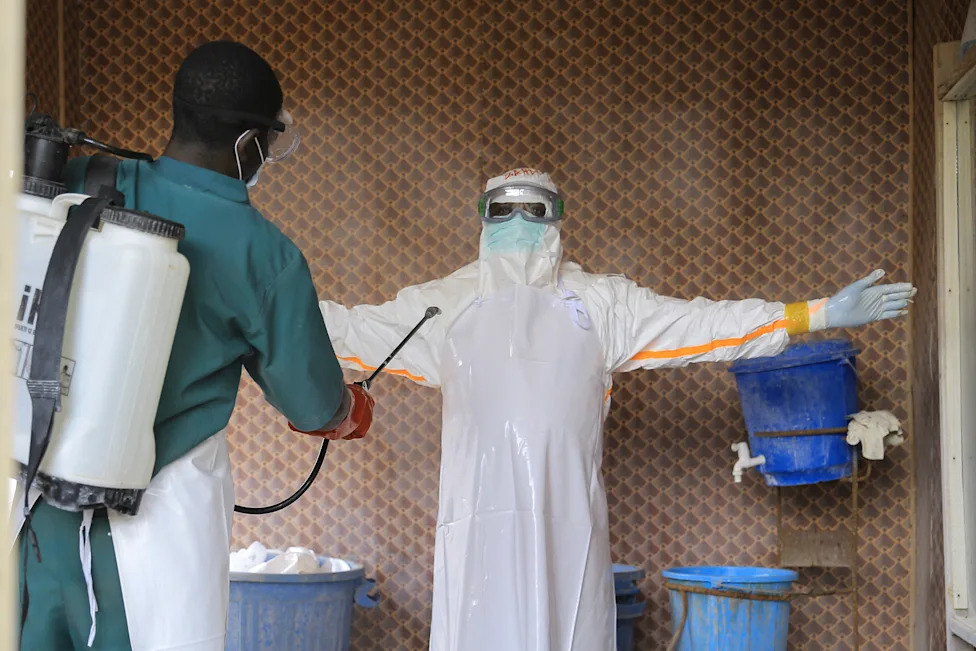
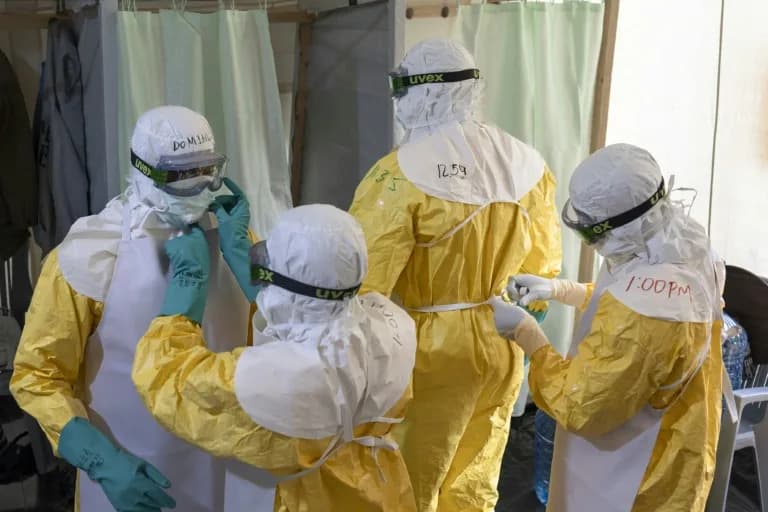
A healthcare worker in protective clothing is disinfected by a colleague inside a treatment center for Ebola patients in Beni, North Kivu province, eastern Congo, Saturday, Sept. 26, 2026. (AP Photo/Sebastien Kitsa Musayi)(AP Photo/Sebastien Kitsa Musayi)
Public Messaging and Local Backlash
Karondwa had used a local radio program to urge people to follow protective measures such as social distancing and handwashing, Jean-Baptiste Katsongo Lwatswa, first federal vice-president of UDPS in Butembo, told the AP.
“That is believed to have provoked the anger of certain young people,”he said.
Local resident Enoch Muhindo Balimatangi described mixed beliefs about the disease:
“Some say that the illness exists, while others refuse to accept that it does. That’s frightening!”
Medical and Logistical Hurdles
A further complication is that the outbreak is caused by the rare Bundibugyo virus, for which there are currently no approved vaccines or treatments. Clinical trials of candidate vaccines and therapies are underway in Ituri province, the outbreak’s epicenter, but results and regulatory approvals remain pending.
In its latest situation report, the World Health Organization warned the outbreak remains serious and highlighted "persistent challenges in timely case detection and access to early and adequate patient care." WHO also said the epidemic continues to outpace response efforts and could surpass the 2014–2016 West Africa outbreak, which killed about 11,000 people.
Reporting contributions were made from Dakar and Goma. This article is based on reporting by The Associated Press.
Help us improve.