An international team led by forensic craniofacial anthropologist Dr. Christopher Rynn digitally reconstructed the face of a man from the Punin-2 skull, found near Punín in Ecuador's Chimborazo region. New analyses show the skull belonged to a modern Indigenous American who lived roughly 3,000–4,000 years ago, contradicting earlier claims that linked similar skulls to Oceanic or extinct human ancestry. The team combined digital and physical methods, consulted local experts on culturally specific hairstyle details, and plans ancient DNA testing and a Punin-1 reconstruction; a physical bust is due in 2027.
3,000-Year-Old Indigenous Ecuadorian Man Recreated: Facial Reconstruction From Punin-2 Skull Shared With Likely Descendants
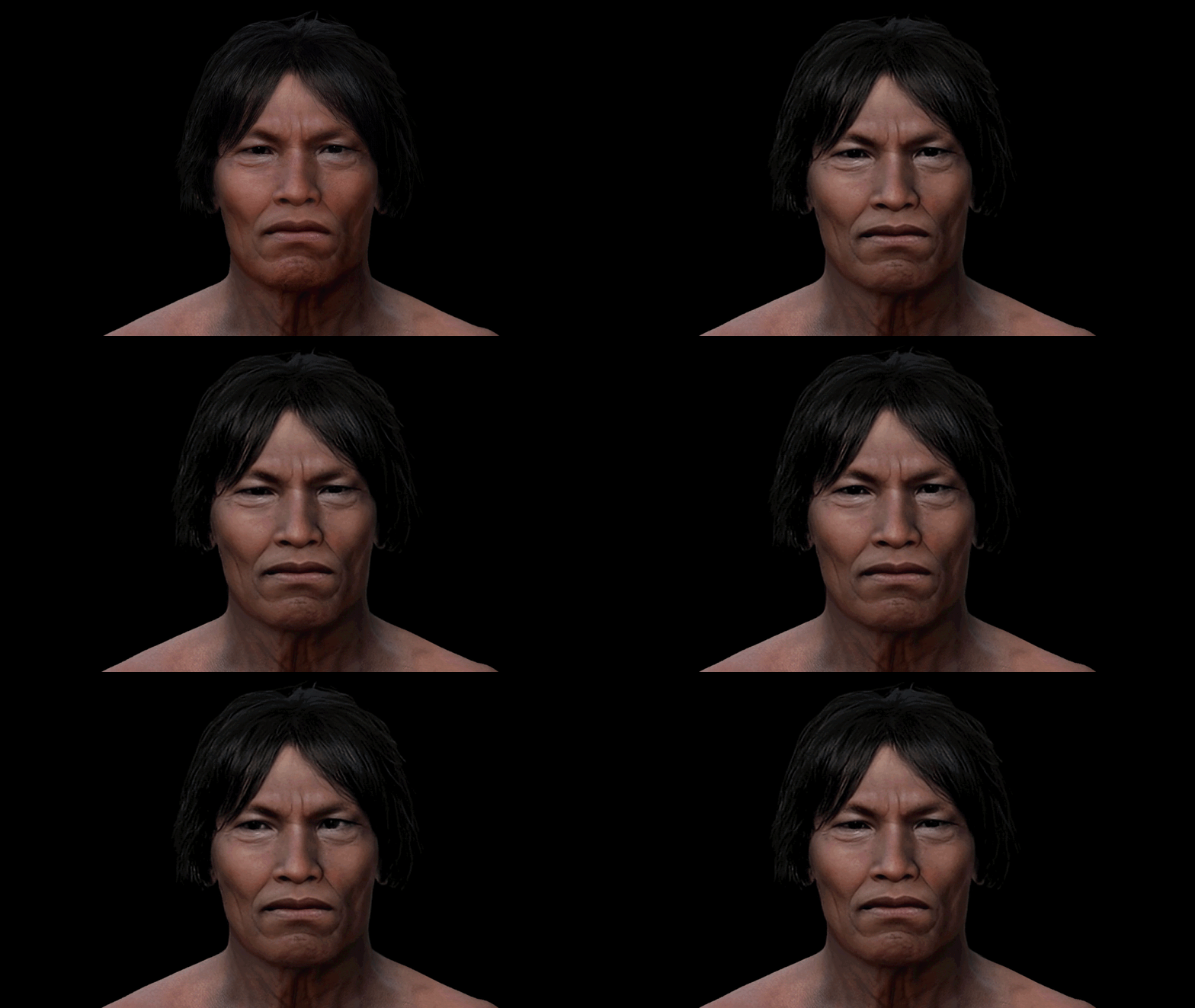
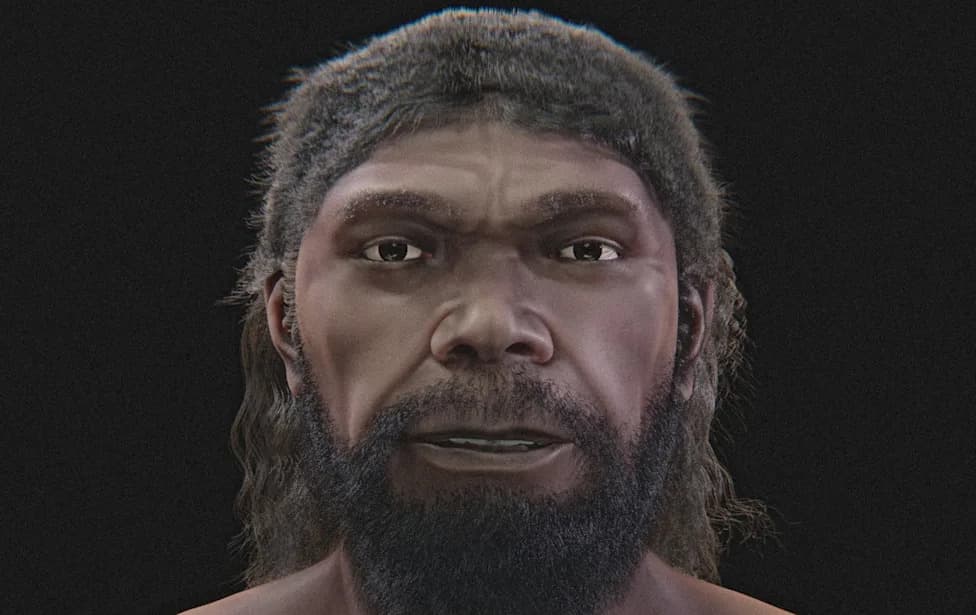
The skull of a man who lived around 3,000 years ago in what is now Ecuador has been brought to digital "life" by a forensic craniofacial anthropologist. . | Credit: Dr Chris Rynn
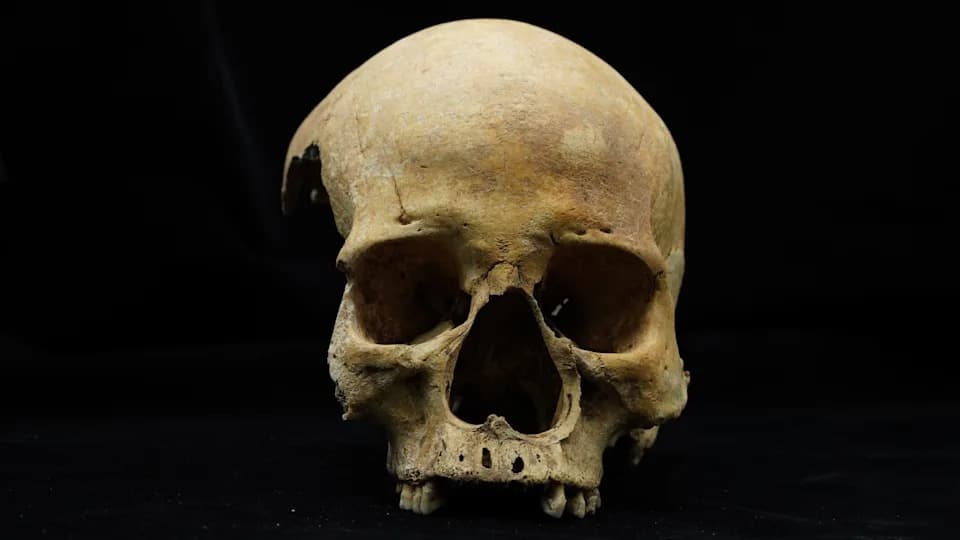
An international team led by forensic craniofacial specialist Dr. Christopher Rynn has produced a digital facial reconstruction of a man who lived in what is now Ecuador roughly 3,000–4,000 years ago. The reconstruction is based on the skull catalogued as Punin-2, recovered from a ravine near the town of Punín in Chimborazo province in the 1970s.
Background and Historical Debate
Punin-2 was discovered in the same ravine where an earlier skull, Punin-1, was found in 1923 during an expedition that included researchers from the American Museum of Natural History. Early 20th-century researchers noted pronounced cranial features in Punin-1 and in 1925 some proposed the skulls might indicate Oceanic ancestry or even links to an extinct human species, based in part on the association with Pleistocene animal fossils in the same sediments.
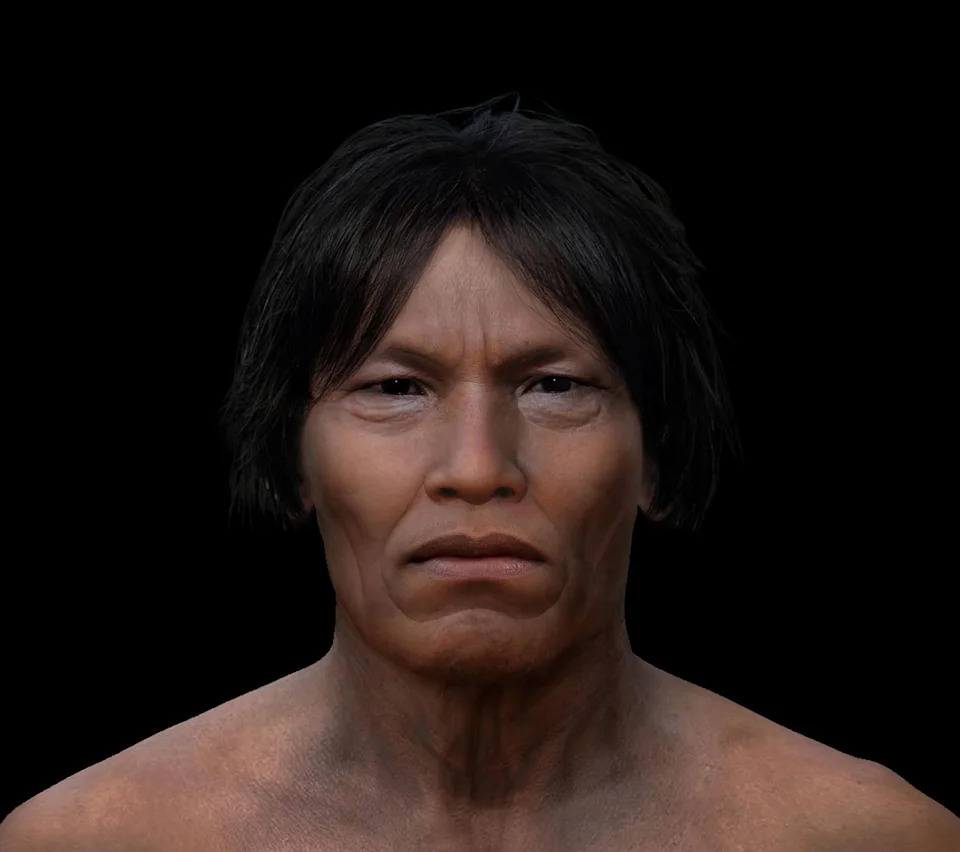
The facial reconstruction from the Punin-2 skull shows an Indigenous American man, roughly in his 50s, who died more than 3,000 years ago. | Credit: Dr Chris Rynn
Subsequent geological and stratigraphic analyses showed that erosion and soil movement had mixed much younger human remains with older Pleistocene fauna, undermining claims that the skulls were Pleistocene-age or belonged to an archaic human species. More recent anthropological and osteological studies indicate Punin-2 is a modern Homo sapiens who likely lived as a hunter-gatherer in Chimborazo about 3,000–4,000 years ago and was around 50 years old at death.
How the Face Was Reconstructed
Dr. Rynn, an independent forensic craniofacial anthropologist based in the U.K., led the reconstruction using a blend of digital modelling, partial physical reconstruction and wax tissue estimates informed by established tissue-thickness libraries. He applied approaches associated with the so-called "Manchester Method," integrated with contemporary techniques from around the world.
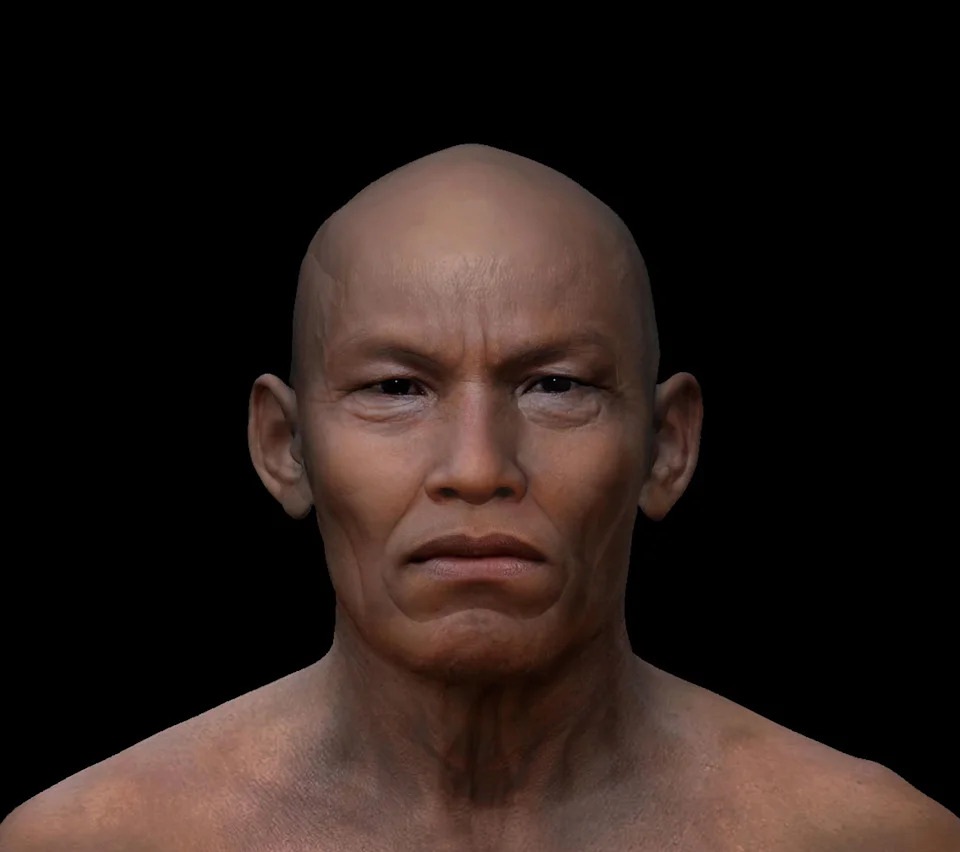
Dr Chris Rynn
"Punin-2 resembles an East Asian skull from the front, but not at all from the side," Dr. Rynn said, noting that three-dimensional skull shape is critical to an accurate reconstruction.
To reduce bias, Rynn intentionally limited his prior knowledge of the skull’s cultural background while reconstructing facial features, basing decisions primarily on cranial morphology. He did, however, accept guidance from Ecuadorian collaborators about culturally specific hairstyle details. The reconstruction shows black hair parted in the middle, a style reported as characteristic of particular tribal groups in Chimborazo. A physical bust using real hair is planned for completion in 2027.
Local Collaboration and Next Steps
Sculptor Héctor Flores Franco of the University of Chimborazo collaborated on the project, and the digital portrait was presented to a select group of community members in Chimborazo who may be descendants of the individual. According to the team, attendees responded positively: "It's a portrait of their actual ancestor," Rynn said.
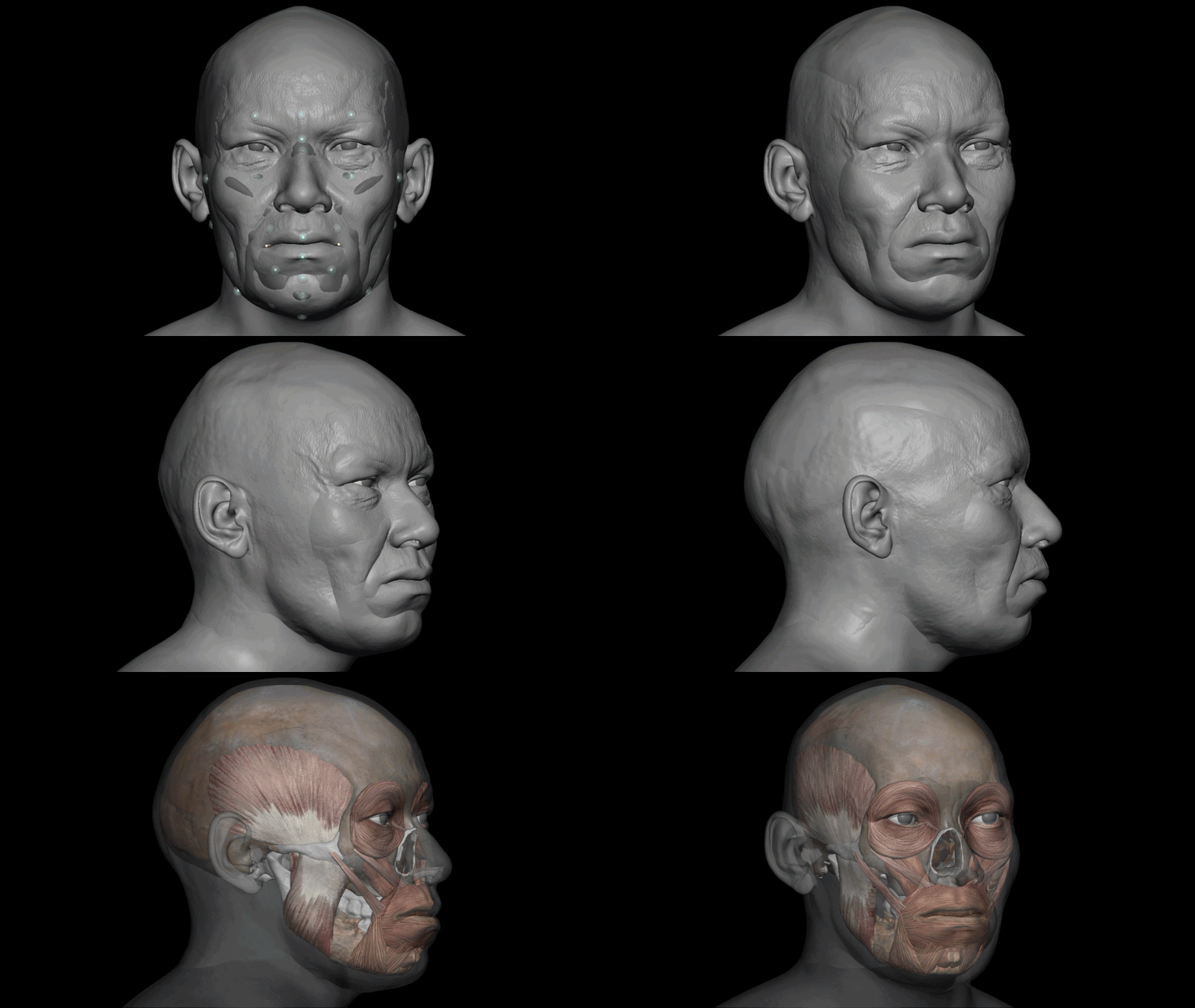
Although this reconstruction is digital, it shows the muscles and tissues of the man who lived as a hunter-gatherer more than 3,000 years ago. | Credit: Dr Chris Rynn
The researchers are raising funds to reconstruct Punin-1 and to attempt ancient DNA analysis of both skulls. Dr. Rynn and colleagues emphasize that genetic testing will provide clearer evidence of lineage and population affinities.
Why This Matters
Facial reconstructions help transform skeletal remains into relatable human stories, strengthening connections between present-day communities and their ancestors. In this case, the reconstruction clarifies that Punin-2 represents a modern Indigenous American lineage, challenging earlier, now-discredited claims of Oceanic or archaic-human ancestry.
Credits: Reconstruction by Dr. Christopher Rynn; collaboration and sculpting led by Héctor Flores Franco (University of Chimborazo). The Punin-1 skull remains curated at the American Museum of Natural History.
Help us improve.