Anti‑vaccine videos on Facebook used a photo of a recovered Filipino child to falsely claim a national immunisation drive was killing youngsters. Doctors found no link between the child’s illness and the measles‑rubella vaccine, and he recovered fully. Health authorities say influencer-driven misinformation helped drive 66% of refusals, while experts point to lingering distrust from past vaccine controversies as a major factor. Frontline health workers call for patient, non‑judgmental engagement to rebuild confidence.
Viral Anti‑Vax Videos Use Photo of Recovered Filipino Child to Stoke Vaccine Fears
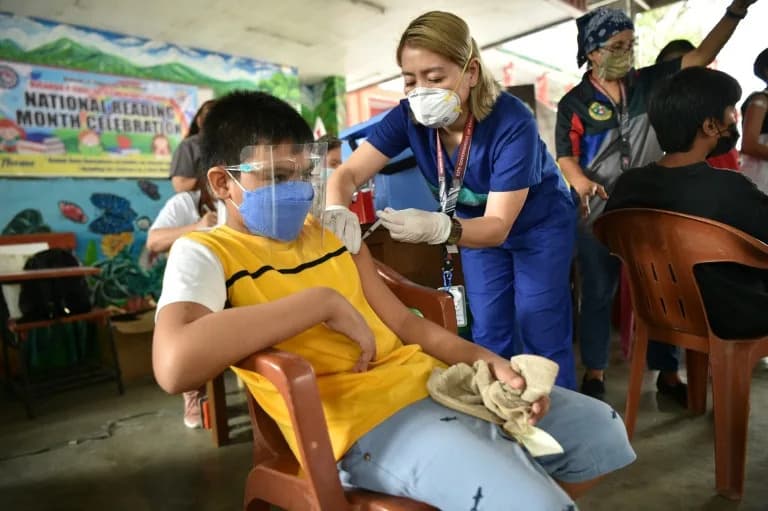
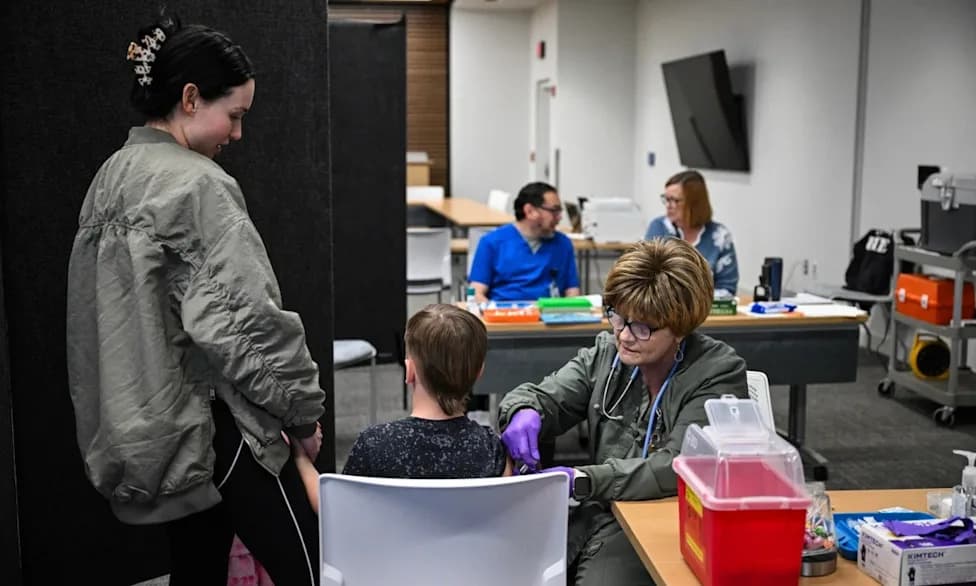
A wave of misinformation has accompanied a child vaccination campaign in the Philippines this year, with some 230,000 declining the jab (Ted ALJIBE)
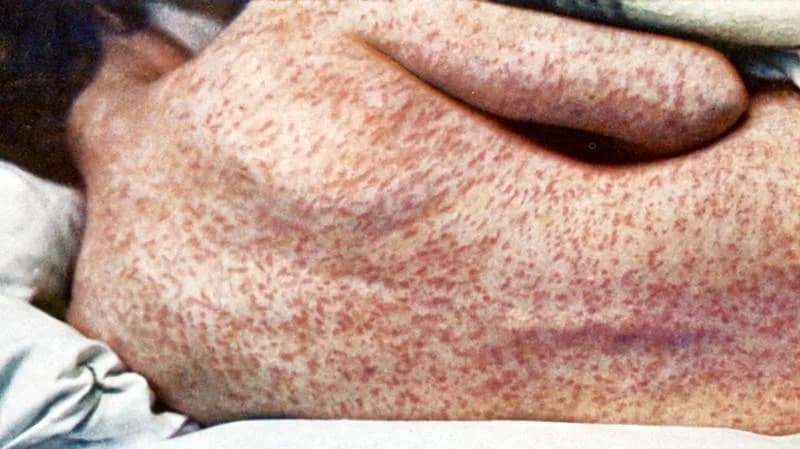
When Jenette Torres Odena’s three-year-old son fell ill days after receiving a measles-rubella shot during a national immunisation drive, his photograph quickly spread on Facebook with false claims that the vaccine had killed him. Doctors found no link between the child’s illness and the vaccine; he recovered fully. By then, the image had already been used in anti‑vaccine videos viewed hundreds of thousands of times.
Misinformation Spreads Through Influencers
The videos were part of a wider wave of misinformation that accompanied this year’s child immunisation campaign, which reached more than seven million Filipinos. Roughly 230,000 people declined the jab. The Department of Health says concerns about side effects accounted for 66% of refusals and called influencer-driven misinformation a "major driver" of vaccine fear.
Content creator Maharani Sona Shiloh incorporated the child’s photo into a video framed as proof the campaign was harming children. Her clips—some with millions of views—repeated debunked claims that vaccines contain harmful substances and pushed global conspiracy themes that gained traction during the COVID-19 pandemic. Facebook removed one of her pages after media inquiries, though several related pages remain active.
Context: A Legacy Of Distrust
Experts say the anti‑vaccine messages tap into deeper issues of trust. A decade-old controversy over a problematic dengue vaccine rollout in the Philippines left many parents skeptical of vaccination programs and public health authorities. "Vaccine hesitancy should not simply be understood as a lack of scientific knowledge," said Daniel Fritz Silvallana, a health communication researcher at Deakin University. "In the Philippine context, it is also connected to questions of trust, politics and people's previous experiences with vaccination and public health institutions."
"I felt like crying... suddenly they were killing him on Facebook," Odena told AFP after seeing her son's photo misused online.
Impact On Frontline Workers
For rural health workers, the viral videos are having real consequences. Wenna Mae Belen, who vaccinates children in Sorsogon province, said parents who had watched the clips became fearful and sometimes hostile. "They tell me if something bad happens, they'll make me suck the vaccines out of their kids' bodies," she said. Health workers warn that confrontations with vocal anti‑vax advocates often backfire.
Vaccinologist Helen Petousis‑Harris of the University of Auckland notes that such videos trade on fear rather than evidence: recognised ingredients are portrayed as contaminants and rare adverse events are exaggerated into catastrophic outcomes. Rebuilding trust, experts say, requires patient, non‑judgmental dialogue with parents rather than direct confrontations with influencers.
AFP reporting contributed to this article.
Help us improve.