The USDA finalized changes to the Rural Energy for America Program (REAP) that bar grants for solar systems that export power, restrict projects on cropland, and exclude components from certain foreign suppliers. The rules also require systems to operate for a year before applicants may seek reimbursement and cap grants at 25% of project costs, reversing earlier practice tied to Inflation Reduction Act funding. Farmers, solar developers and advocates have sued, arguing the changes are retroactive and unlawful and that affected applicants face major financial harm.
USDA Finalizes REAP Rules, Tightening Solar Grants for Farmers — Lawsuit Filed
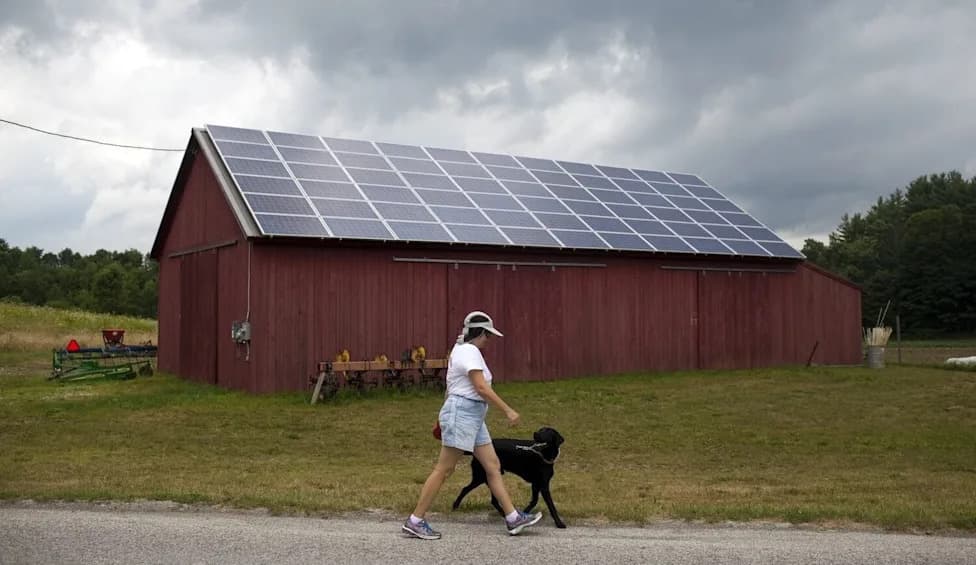
The USDA just made it way harder for farmers to get grants for solar
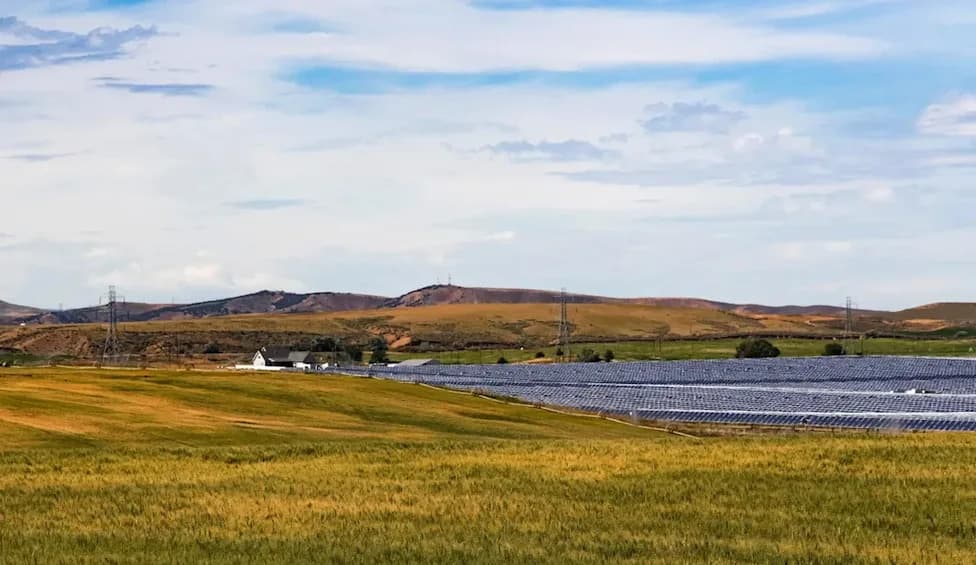
The U.S. Department of Agriculture has finalized sweeping changes to the Rural Energy for America Program (REAP) that significantly restrict federal grants for farm solar projects and other renewable-energy investments.
What the New Rules Do
Key changes include:
- No Grants for Net-Exporting Solar: Projects that generate more electricity than a farm consumes are no longer eligible for REAP support, blocking systems intended to sell surplus power back to the grid.
- Restrictions on Siting and Supply Chains: Grants are barred for systems sited on cropland and for projects using components from designated "foreign adversaries," a provision critics say could sweep in large parts of the global solar supply chain.
- Reimbursement Timing Changed: Applicants must now wait until a system has been in operation for one year before applying for reimbursement. Previously, awards were announced before construction and reimbursed after completion.
- Lower Grant Caps: Grants are capped at 25% of project costs; under recent Inflation Reduction Act–linked practice, REAP grants could cover up to 50% of eligible expenses.
Who Is Affected
The changes affect future applications and some awards that were approved but not yet disbursed. Farmers and rural businesses that invested expecting REAP reimbursement now face uncertainty and potential financial losses. Historically, more than two-thirds of REAP awards went to solar projects, making solar developers and agricultural producers the most affected.
Lawsuit and Legal Questions
A coalition of farmers, solar developers and advocacy groups sued the administration this week, arguing the changes are retroactive, unlawful and contrary to Congress’s intent in successive Farm Bills to promote renewable energy on agricultural land. Plaintiffs include an Illinois family that says it was promised nearly $500 million in REAP funds for solar to power grain dryers, an Iowa farmer who spent more than $250,000 expecting reimbursement, and companies that report lost contracts and layoffs.
"There are those harmed by the retroactive application of this new policy," said Michael Youhana, senior associate attorney at Earthjustice. "Another category is prospective injury — anyone planning to apply or solar firms whose markets have been shrunk by these arbitrary and illegal changes."
Process Concerns
Advocates also say the department published the final rules without the standard public comment period, invoking an exemption for grant-making programs. A comment window is open through Nov. 2, but the rules take effect 15 days after publication, raising concerns that affected applicants will have little immediate recourse.
Context
These final rules follow a series of moves that disrupted REAP funding, including an early administration action that temporarily froze $911 million tied to the program and later pauses on funding for solar on "productive farmland" and for panels from listed foreign sources. Courts have recently blocked other administration rollbacks of clean-energy supports, and plaintiffs hope similar rulings could restore prior REAP practices.
What plaintiffs ask the court: continue processing pending applications under the previous rules and declare the administration's recent actions unlawful. If successful, the plaintiffs say funding could be made available again under rules that enabled broader solar deployment on farms.
Help us improve.