A DHM Research poll for OPB of 915 likely voters (Sept. 17–27) finds Republican Christine Drazan leading Democrat Tina Kotek 47% to 46% (±3.24%), with Brett Smith at 3% and 4% undecided. A Drazan victory would produce Oregon's first Republican governor since 1982 and end a decade without GOP statewide wins. Voters rated the state's direction and economy poorly, prioritized cost of living and the economy, and identified data centers as an influential campaign issue despite seldom naming them the top problem. Recent polls have tightened the contest, and national forecasters have shifted the race toward greater competitiveness.
Poll: Republican Christine Drazan Narrowly Leads Tina Kotek — GOP Within Reach Of Oregon Governor's Office For First Time Since 1982

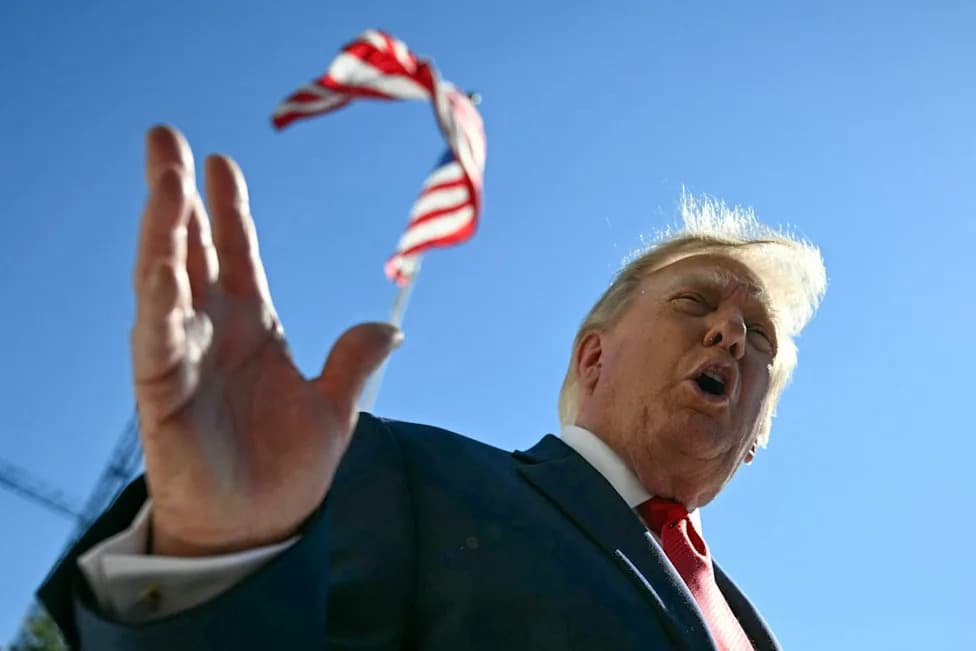
Republican state Senator Christine Drazan (L) is narrowly leading Democratic Governor Tina Kotek in Oregon's governor's race.
A new DHM Research poll for Oregon Public Broadcasting (OPB) shows Republican state Senator Christine Drazan narrowly leading Democratic Gov. Tina Kotek in Oregon's governor's race, a result that would mark the first GOP statewide gubernatorial victory in Oregon since 1982 if it holds.
Poll Details
The survey of 915 likely voters was conducted Sept. 17–27 and reports Drazan at 47% and Kotek at 46% after undecided respondents were asked their lean; Pacific Green candidate Brett Smith registered 3% while 4% remained undecided. The poll's margin of error is ±3.24 percentage points.
Why This Matters
If the current numbers held, Drazan would become Oregon's first Republican governor since Victor Atiyeh, who won re-election in 1982. The state has seen few GOP statewide successes in recent decades: Dennis Richardson's 2016 secretary of state win is the last Republican statewide victory, and no Republican presidential nominee has carried Oregon since 1984.
Polling Trend And Context
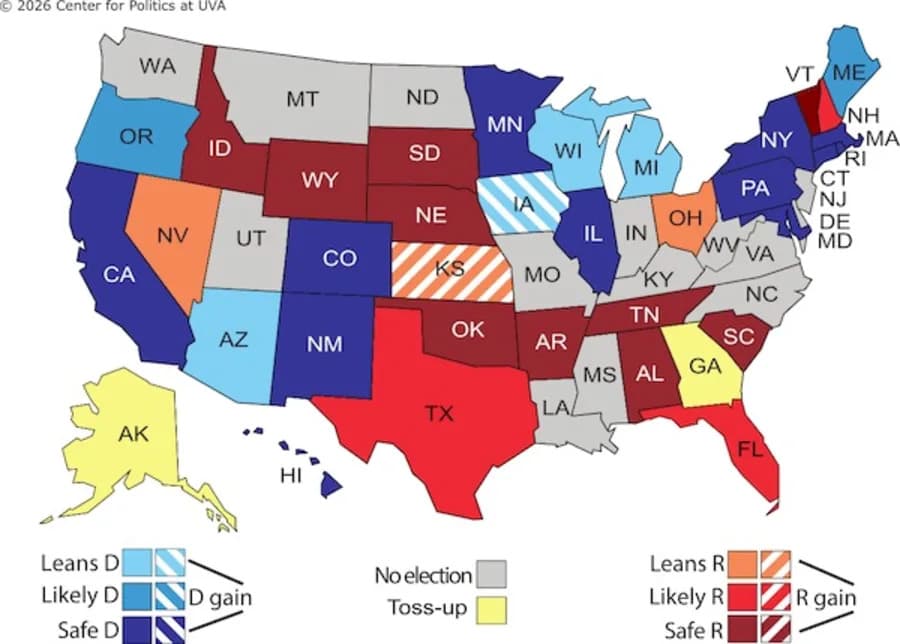
Public polls have shown a tighter race since the May primary, with multiple surveys since June placing Republicans tied with or ahead of Democrats. National forecasters have taken notice: The Cook Political Report moved the race from "Likely Democrat" to "Lean Democrat" in September, while Sabato's Crystal Ball continues to rate it "Likely Democrat." All recent polls fall within their margins of error, underscoring the race's volatility.
Voter Sentiment And Top Issues
Voters in the OPB poll expressed pessimism about the state's direction: just 29% said Oregon is headed the right way, while 58% said it is on the wrong track. A large share, 73%, called the state economy poor, yet 69% rated their own household finances as good — a sign that frustration is targeted at state government rather than personal budgets.
Cost of living and the economy dominate voter priorities (each cited as important by 98%), followed by K–12 education (94%), homelessness (93%) and health care (92%). Abortion (69%) and climate change (58%) were lower on the priority list.
Favorability And Political Dynamics
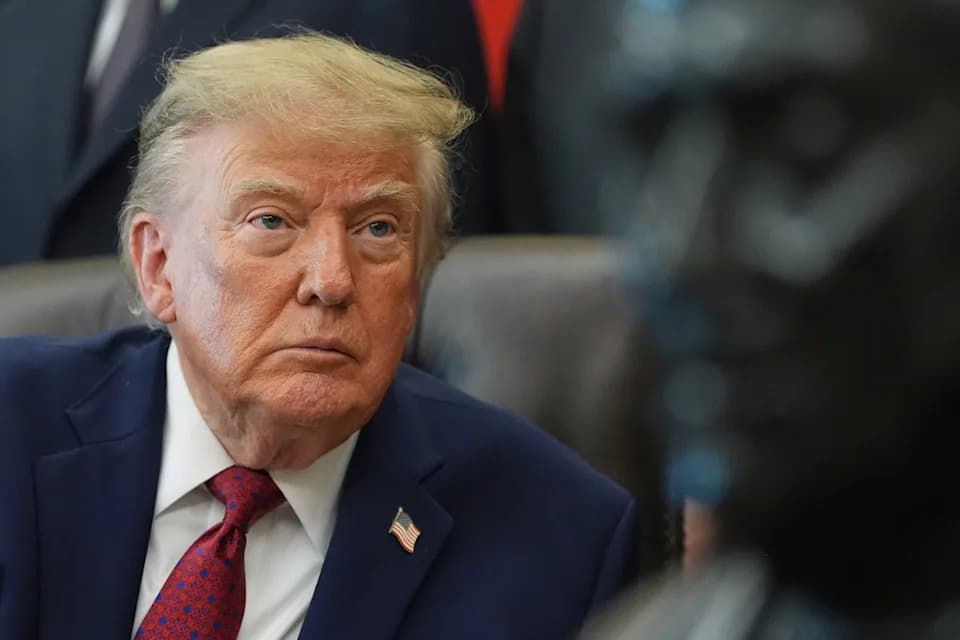
The poll shows mixed candidate favorability: Trump is viewed favorably by 37% and unfavorably by 63%. Kotek's favorability is 38% favorable / 60% unfavorable, while Drazan's ratings are split at 45% favorable and 45% unfavorable (10% said they didn’t know). Kotek's campaign has sought to tie Drazan to Trump, while Drazan has emphasized local issues like schools, housing, homelessness and the economy.
Data Centers, AI And A Local Flashpoint
One of the campaign's sharpest conflicts centers on data centers and AI infrastructure. Oregon ranks among the top U.S. markets for data centers, and the candidates clashed after Drazan accused Kotek of giving the industry $1 billion in tax breaks. Both candidates quickly embraced a pause on new facilities, even as voters seldom name data centers as the state's single biggest problem (2%). Still, 72% said candidates' positions on data centers would influence their vote.
Race Outlook
This contest is a rematch of 2022, when Kotek beat Drazan. With no third conservative-leaning candidate this cycle, Drazan has focused more on population centers. The narrow margin in the DHM poll, combined with prior swings in polling and the history of late movement in Oregon races, means the contest remains competitive and could hinge on turnout, undecided voters and late developments.
Bottom line: The race is close and within polling error — noteworthy in a state that has trended blue for decades. Expect continued attention on economic issues, data center policy, and late shifts among undecided voters.
Help us improve.