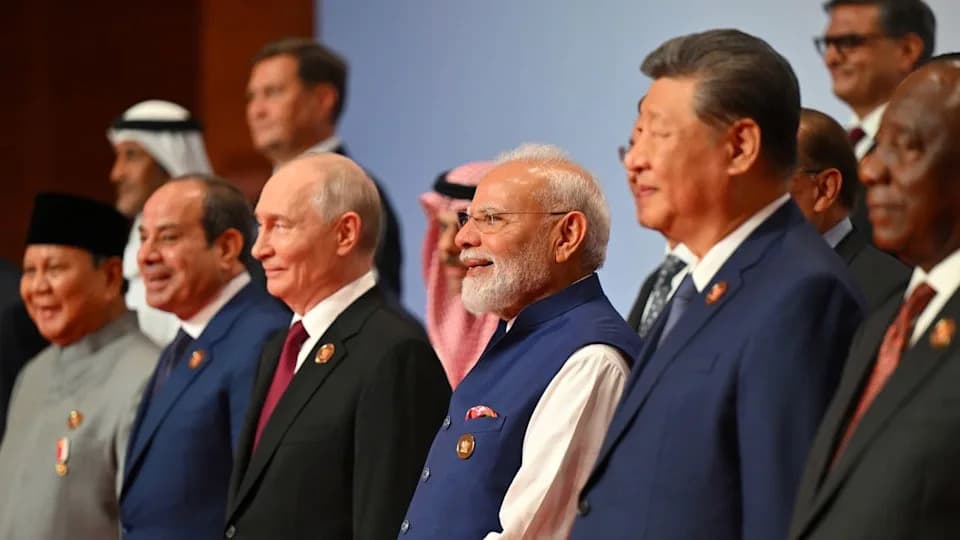
India’s foreign minister, S. Jaishankar, publicly rebuked the US this week, accusing Washington of insensitivity on terrorism, favoritism toward Pakistan and "self-centered" trade policies that harm the Global South. The remarks reflect a shift from India’s traditionally private diplomacy to a more open, critical posture amid disputes over tariffs, stalled trade talks and US visa and migration policies. Trade ties remain substantial—bilateral goods trade hit $149.1 billion in 2025 with a $58.4 billion surplus for India—but new US tariffs and political frictions have heightened tensions. Analysts say domestic politics and differing strategic priorities explain New Delhi’s tougher rhetoric, while a concluded trade deal could offer a path to reset relations.
Modi’s India Turns Sharper Toward Trump: Jaishankar Rebukes US on Terrorism, Tariffs and Trade
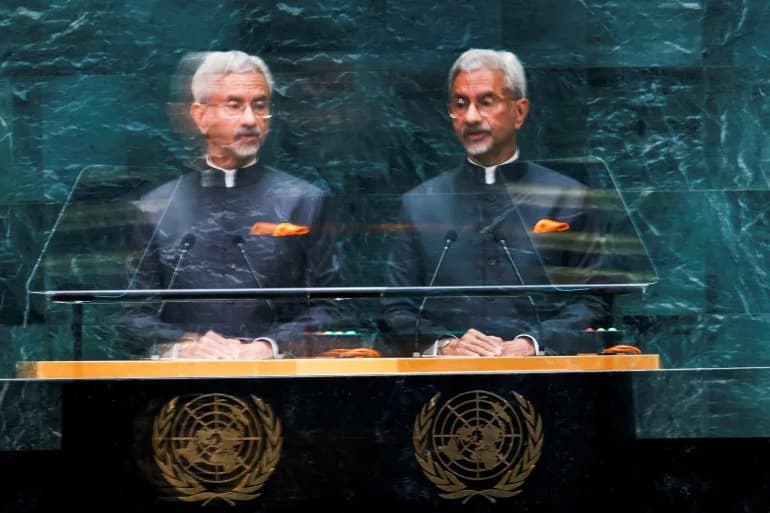
New Delhi — Speaking at an Asia Society event in New York after the United Nations General Assembly, India’s External Affairs Minister S. Jaishankar delivered a candid critique of the United States, accusing Washington of being insensitive to India’s terrorism concerns, warming toward rival Pakistan and pursuing "self-centered" trade policies that have hurt the Global South.
The comments mark a noticeable shift in New Delhi’s diplomacy, from a traditionally discreet handling of disputes with allies to a more public posture toward President Donald Trump’s administration amid growing bilateral strains.
What Jaishankar Said
"Countries should not be so self-centred that you're in your own world and take your decision and say, 'Well, it was not my intention to make your life difficult.'"
Jaishankar warned that unilateral policies and the economic spillovers of conflicts such as those in Iran and Ukraine risk neglecting the basic needs of other countries. He also noted differences in per capita income, production structures and social realities between India and the United States as complicating factors in trade talks.
Flashpoints: Trade, Tariffs and Visas
Trade has become a central source of friction. The US remains India’s largest trading partner, with bilateral goods trade reaching $149.1 billion in 2025 and India running a $58.4 billion goods surplus. Negotiations have produced a roadmap but not a final deal. Agriculture, with India’s long-standing protections for farmers, remains one of the most contentious areas.
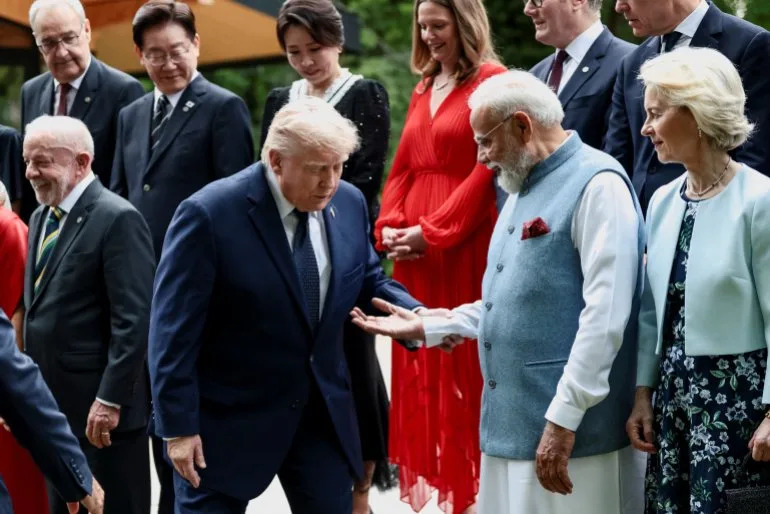
New US measures have intensified tensions: after legal pushback against earlier sweeping tariffs, Washington enacted a new 10% global tariff and recent legislation allows up to 100% duties on countries, including India, that import Russian oil. Indian officials and former diplomats warned such steps could be a relationship "deal breaker."
Migration and visas are another sore point. Indians have been major beneficiaries of the US H-1B program for skilled workers, but visa restrictions, higher fees and rising anti-immigrant rhetoric in the US have eroded public goodwill.
Security Concerns and Pakistan
Beyond trade, security issues have strained ties. A four-day India–Pakistan conflict after an attack in Indian-administered Kashmir that killed 26 civilians heightened tensions when President Trump publicly claimed to have brokered a ceasefire — a claim New Delhi rejected as unwelcome third-party intervention.
Jaishankar emphasized terrorism as a deep Indian concern, saying few countries have faced the sustained cross-border terrorism India attributes to Pakistan. New Delhi says its core concerns are not sufficiently understood or appreciated by Washington.
Domestic Politics and Diplomatic Strategy
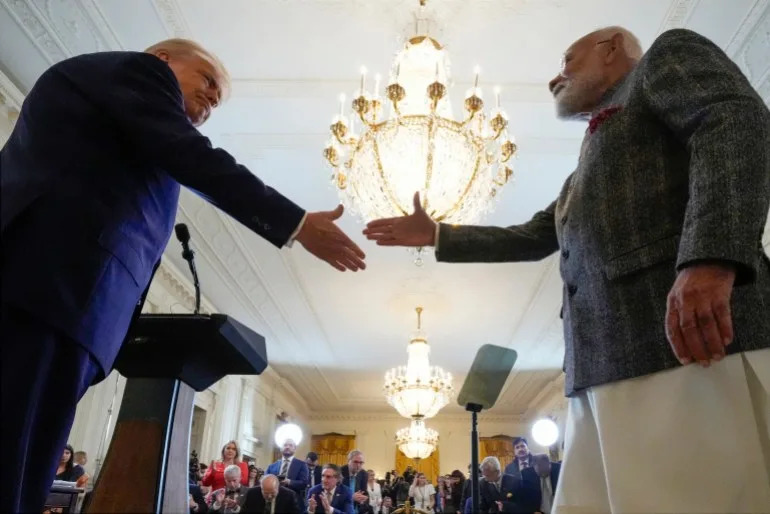
Analysts say domestic politics help explain New Delhi’s shift to a more vocal stance. With key state elections approaching and rising criticism at home that the government has been too acquiescent to US pressure, the Modi government is under incentive to signal firmness publicly.
Yet experts note both sides still see value in the relationship. Chietigj Bajpaee of Chatham House suggested that widening disagreements reflect the Trump administration’s transactional and unpredictable diplomacy rather than a permanent rupture — and that finalizing a bilateral trade agreement could be a route to reset ties.
Outlook
For now, New Delhi appears to be balancing restraint with clearer public pushback — pressing Washington on terrorism, trade and perceived biases toward Pakistan while keeping channels open for negotiation. Whether tensions ease may hinge on the outcome of trade talks and how both governments manage domestic political pressures.
Photo: Indian Minister of External Affairs S. Jaishankar addresses the UN General Assembly in New York. (Photo credit: Reuters)
Help us improve.