Global Witness has accused Mondelēz International of lobbying to delay and dilute the European Union Deforestation Regulation (EUDR). The watchdog reports a Brussels meeting involving CEO Dirk Van De Put and Andrew Puzder, and notes Mondelēz publicly called for a 12-month delay in July 2025. The EUDR will require companies selling into the EU to prove commodities like cocoa were not produced on land cleared after Dec. 31, 2020. Global Witness also found Mondelēz did not disclose the share of its cocoa that is deforestation-free and flagged traceability risks in West Africa.
Cadbury Owner Mondelēz Accused Of Lobbying To Weaken And Delay EU Anti-Deforestation Rule
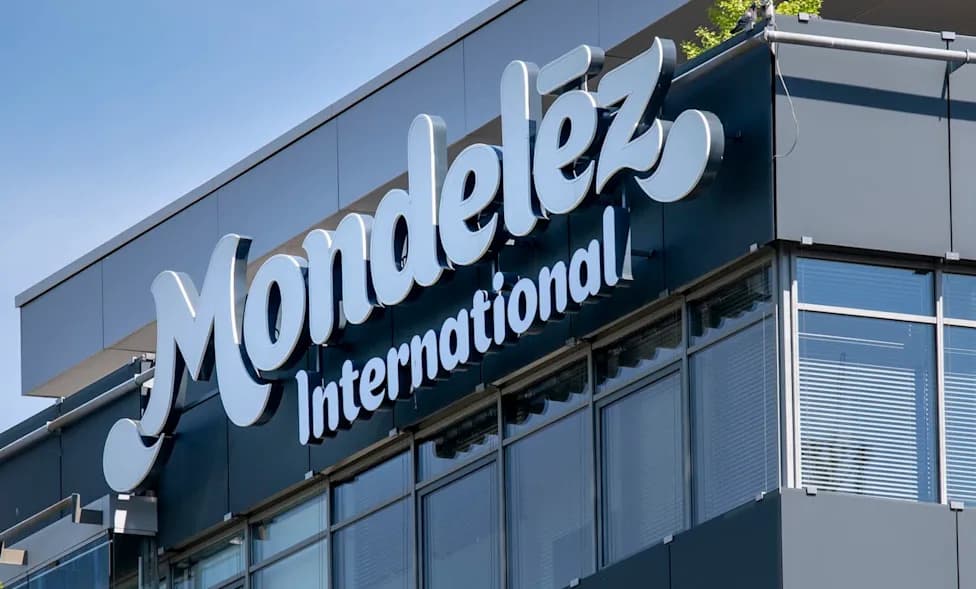
Photo Credit: iStock
One of the world’s largest snack makers, Mondelēz International — the company behind Cadbury, Milka, Toblerone and Oreo — is under scrutiny after the watchdog group Global Witness alleged the firm lobbied to delay and dilute a key European Union anti-deforestation law.
What Global Witness Says
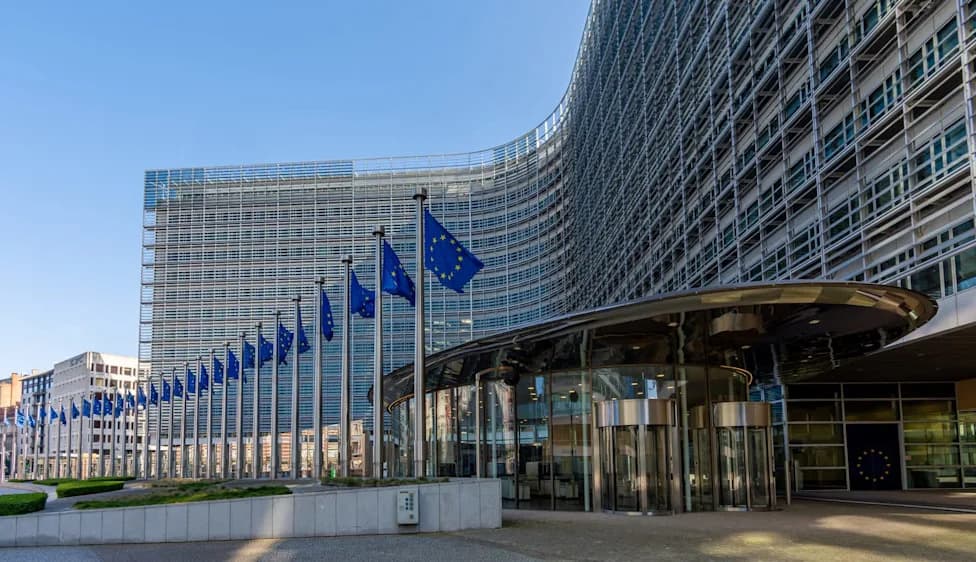
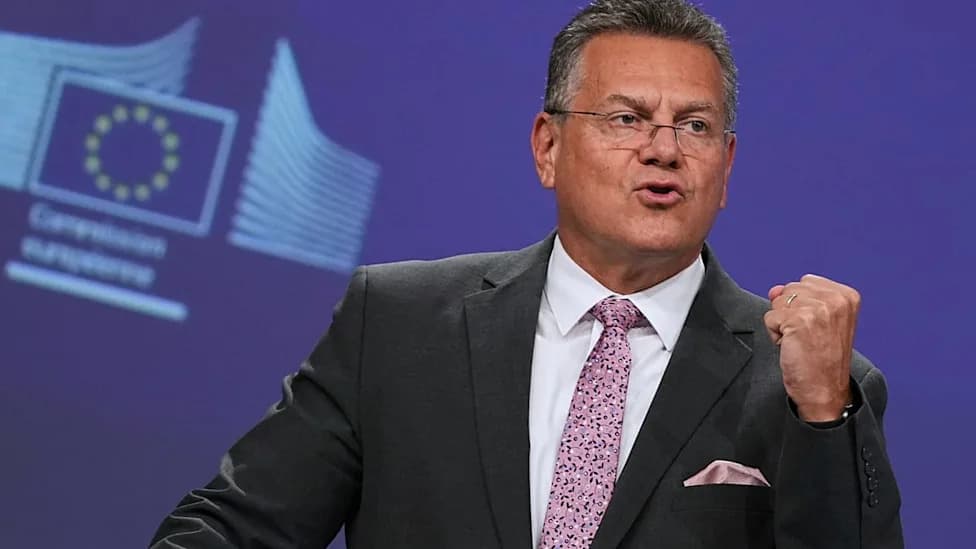
Global Witness alleges Mondelēz sought to slow down and water down the European Union Deforestation Regulation (EUDR). The group reports a Brussels meeting involving Mondelēz CEO Dirk Van De Put and Andrew Puzder, which it says took place ahead of European Parliament and Council action on regulatory simplifications that took effect on Sept. 18. The watchdog also notes Mondelēz publicly called for a 12-month postponement in July 2025 and estimates the company spent between €1.2 million and €1.5 million on EU lobbying since 2023 — roughly $1.4–$1.7 million — though the precise focus of that spending is unclear.
What The EUDR Requires
The EUDR is intended to keep commodities linked to recent deforestation off EU shelves. Once in force, the rule will require companies selling into the EU to demonstrate that cocoa and other covered commodities were not produced on land cleared after Dec. 31, 2020. The regulation places new traceability and documentation obligations on sellers to prove compliance.
Supply-Chain Concerns
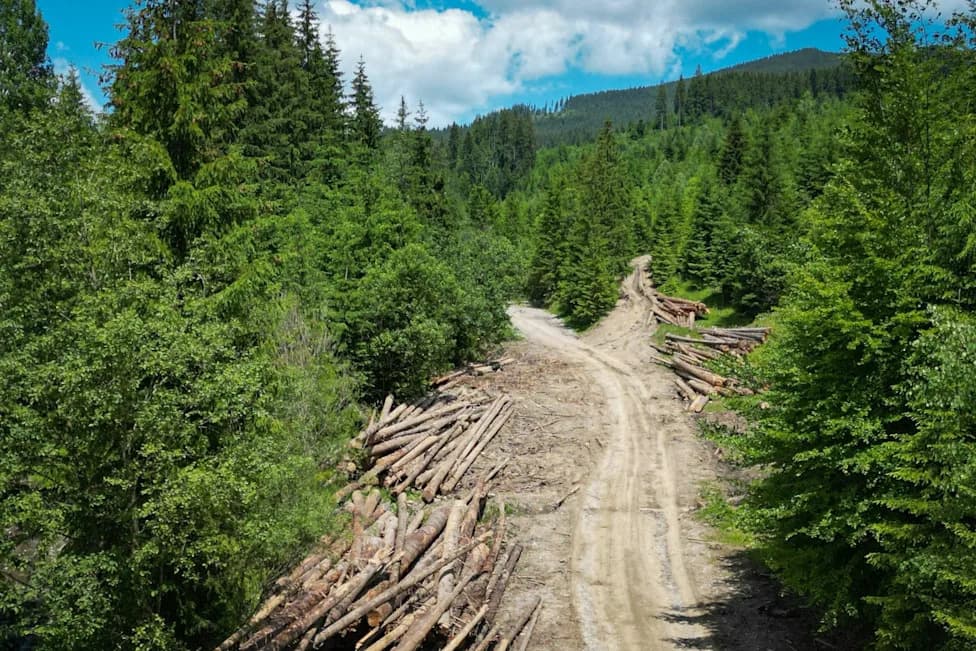
Global Witness highlighted long-standing links between cocoa production and deforestation, particularly in West Africa, where forests are often cleared for farming. In its review, the group said Mondelēz was the only major chocolate manufacturer that did not disclose what share of its cocoa it considers deforestation-free. The watchdog warned the company remains exposed to cocoa-related deforestation risks in parts of West Africa, including Liberia, because it continues to source cocoa through what Global Witness describes as an untraceable system.
Broader Issues: Lobbying, Greenwashing And Accountability
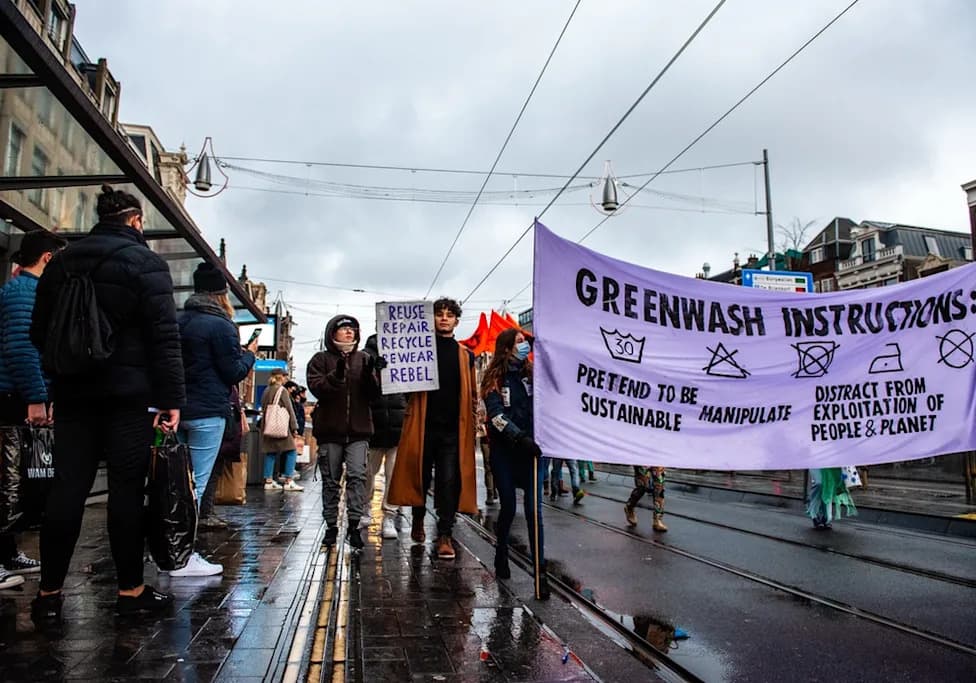
The allegations feed into wider concerns about corporate influence on environmental policymaking and potential greenwashing — when companies present themselves as environmentally responsible while resisting rules that would require clearer transparency and accountability. Advocacy groups such as Global Witness are increasingly tracking corporate lobbying and supply-chain disclosures to pressure firms and inform policymakers.
Why it matters: If true, corporate efforts to delay or weaken the EUDR could undermine efforts to protect forests, weaken regulatory transparency, and erode public trust in major food brands.
Related Investigations
- Reports of other consumer brands allegedly lobbying to weaken EU packaging rules.
- Probes into illegal deforestation linked to palm oil suppliers in Peru.
- Accusations that food companies manipulated data to avoid deeper climate and supply-chain reforms.
Note: These are allegations reported by Global Witness and covered by news outlets. They have not been established as legal findings. The article focuses on the watchdog’s claims, the EUDR’s requirements, and the broader implications for supply-chain transparency and corporate accountability.
Help us improve.