Democrats are highlighting a cyclospora outbreak that sickened nearly 20,000 people between May and August to make food safety a central midterm issue. The outbreak affected 21 states, prompted major restaurant chains to remove implicated produce, and coincided with a large meat recall. The administration says investigators were not affected by staffing changes, but former FDA officials and consumer advocates dispute that account and warn that recent policy rollbacks may have weakened oversight.
Cyclospora Outbreak and Food-Safety Rollbacks Fuel Midterm Debate
Food safety is becoming a midterm election issue after a record parasite outbreak hero image
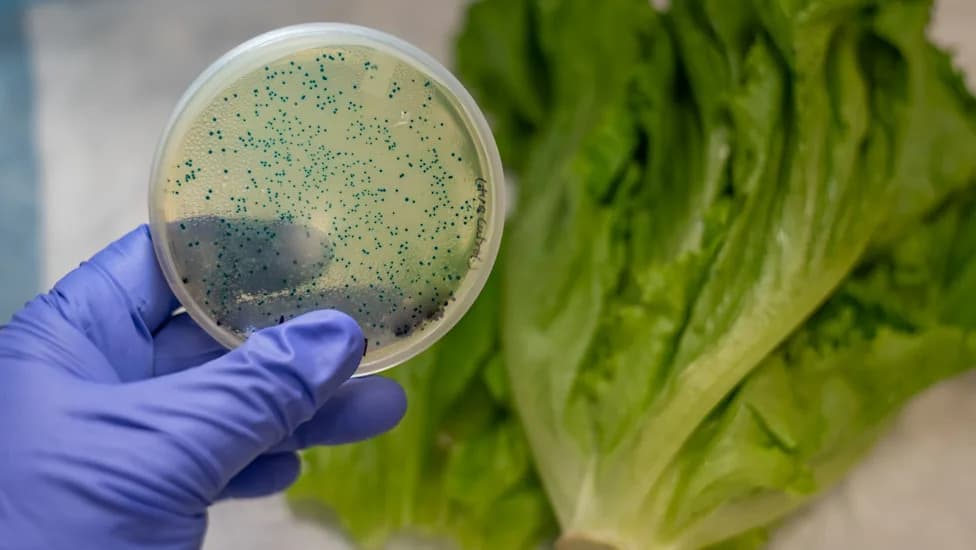
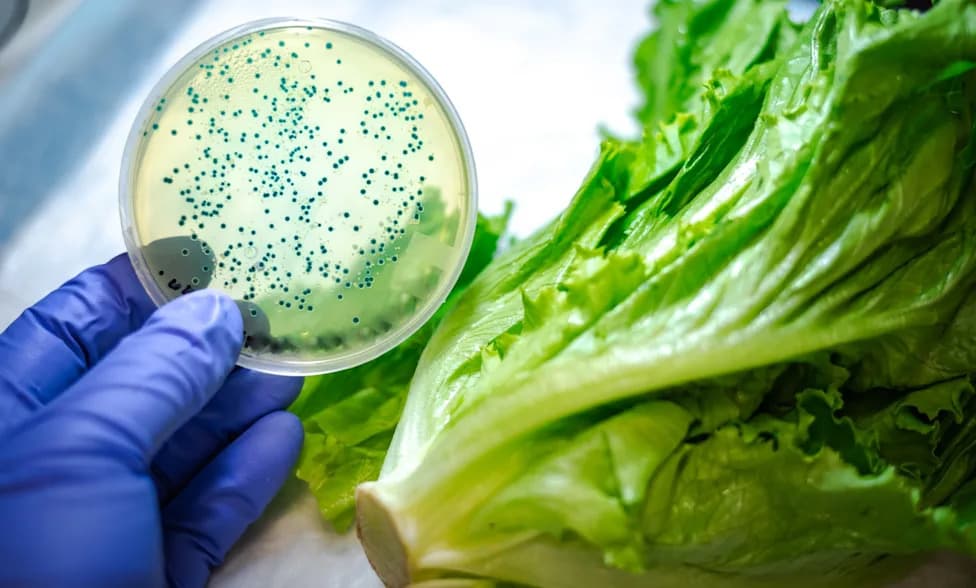
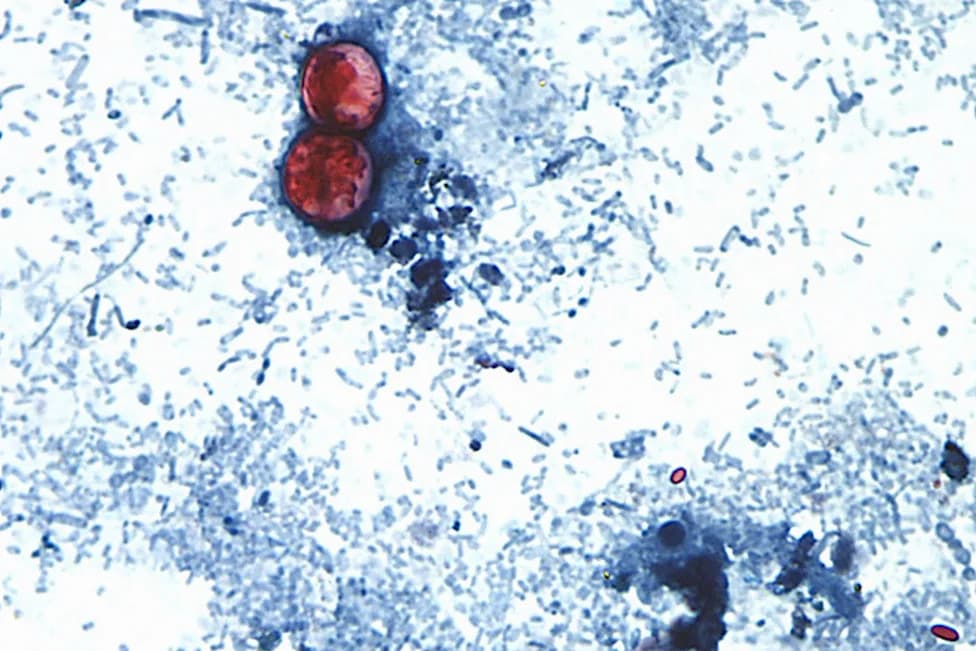
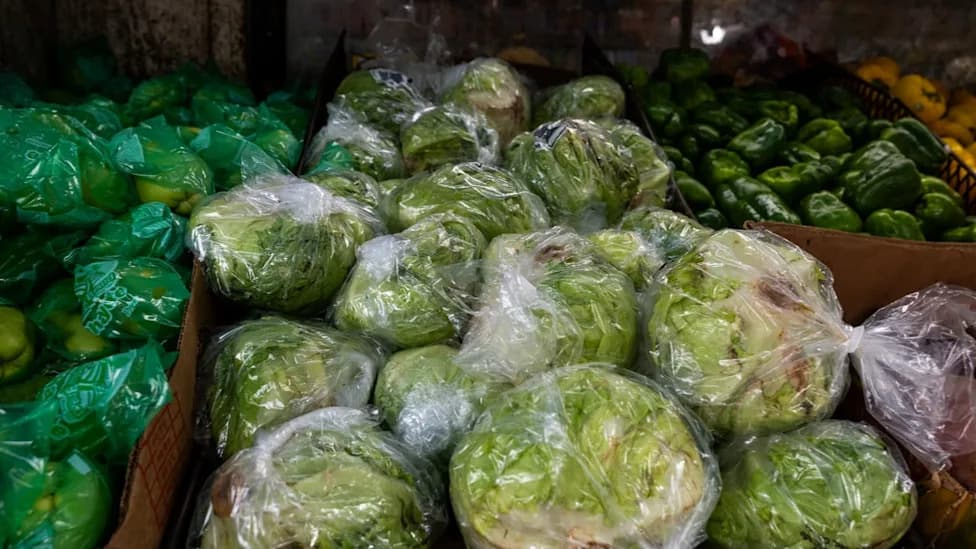
Democrats have made food safety a prominent midterm campaign issue after a cyclospora outbreak linked to lettuce produced nearly 20,000 confirmed illnesses from May through August — an unprecedented total for the parasite, the Centers for Disease Control and Prevention says. By comparison, there were 1,180 confirmed cases in the same period in 2025.
Outbreak, Industry Response and Recall
The outbreak spread across 21 states and prompted chains including Chipotle and Taco Bell to temporarily remove lettuce, jalapeños and other implicated items from menus as a precaution, according to KFF Health News. Public concern intensified after a separate recall of tens of thousands of pounds of imported meat.
Political Fallout
Democrats have seized on the outbreaks and recalls to criticize the Trump administration's record on food safety. The Democratic National Committee circulated lists of recalled products and called for Health and Human Services Secretary Robert F. Kennedy Jr. to step down. Sen. Elizabeth Warren (D-Mass.) wrote on X that cuts to food-safety agencies were contributing to the crisis, while members of Congress and campaign teams urged the administration to halt cuts to FDA staff and funding.
Administration Response And Disputes Over Data
The administration pushed back, saying it has not hampered outbreak response. The FDA posted on X that fiscal year 2026 recalls are among the lowest in more than a decade, and HHS Senior Adviser Calley Means criticized Democratic messaging as fearmongering. In an emailed statement, HHS spokesperson Grace Davis Jamison said that FDA investigators and CDC laboratory personnel were not affected by workforce reductions and that the administration had "mounted a robust response to each outbreak."
Expert Pushback: Susan Mayne, who led the FDA's Center for Food Safety and Applied Nutrition from 2015 to 2023, said the HHS assertion "appears to be based on incorrect data," noting that the agency's recall totals include drugs and medical devices as well as food, which can obscure trends.
Public Confidence And Consumer Impact
Consumer confidence in the U.S. food supply has fallen sharply. A September survey from the University of Illinois and Purdue University found that about 30% of consumers in August strongly agreed the U.S. food system produces safe food, down from 40% in November 2025. A Quinnipiac University poll in July found most registered voters have little or no trust in the government's oversight of food safety. "It's thousands of people," said Teresa Murray, consumer watchdog director at the U.S. Public Interest Research Group. "It makes it more real."
Policy Changes That Raised Alarm
Food-safety advocates say recent policy moves have weakened oversight: the administration announced easing rules for small livestock operations that slaughter and process their own meat; signaled plans to increase beef imports from Argentina and Brazil despite safety concerns (Brazilian beef has faced EU restrictions over safety and antibiotic-use issues); rescinded a proposed Obama-era rule aimed at restricting sales of raw poultry with elevated salmonella levels; and delayed until July 2028 a deadline for companies to maintain supply-chain traceability records.
Sandra Eskin, chief executive of Stop Foodborne Illness, warned of immediate economic effects: "Instead, we have had farmers plowing under fields because people aren't buying lettuce," she said.
This episode has made food safety a tangible and politically charged issue ahead of the midterms, with public health officials, former regulators and advocates offering conflicting views of whether recent regulatory changes played a role in the outbreaks and how responsive the federal agencies have been.
Help us improve.