The FAA has paused a critical certification step for Boeing's 737 MAX 10 after finding a software fault in the flight management system that can disable VNAV during a missed‑approach. Boeing says existing procedures let pilots manage the condition, but the FAA requires a permanent fix before granting Type Certification. The delay has left airlines and markets uncertain about delivery timing and sent Boeing's stock down nearly 7%.
FAA Pauses 737 MAX 10 Certification After Landing Software Fault Discovered
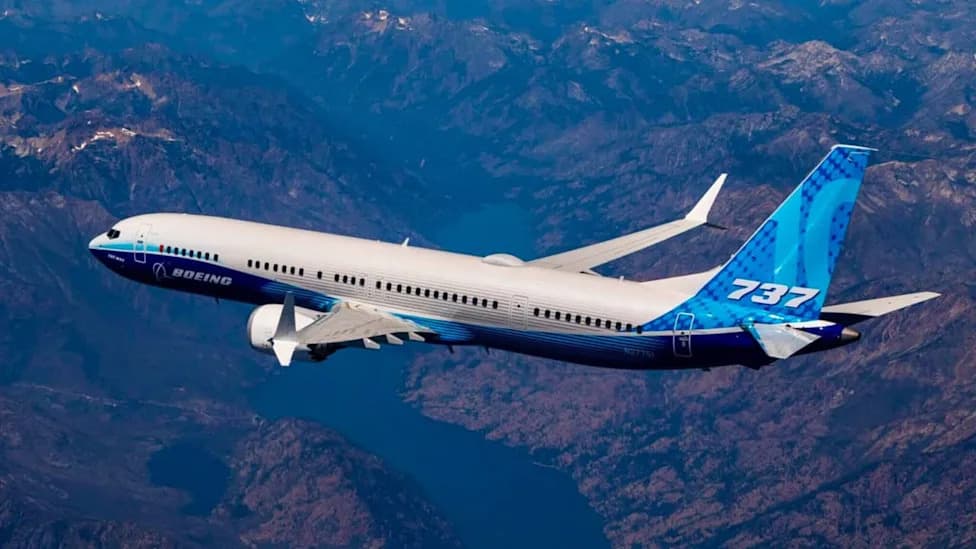
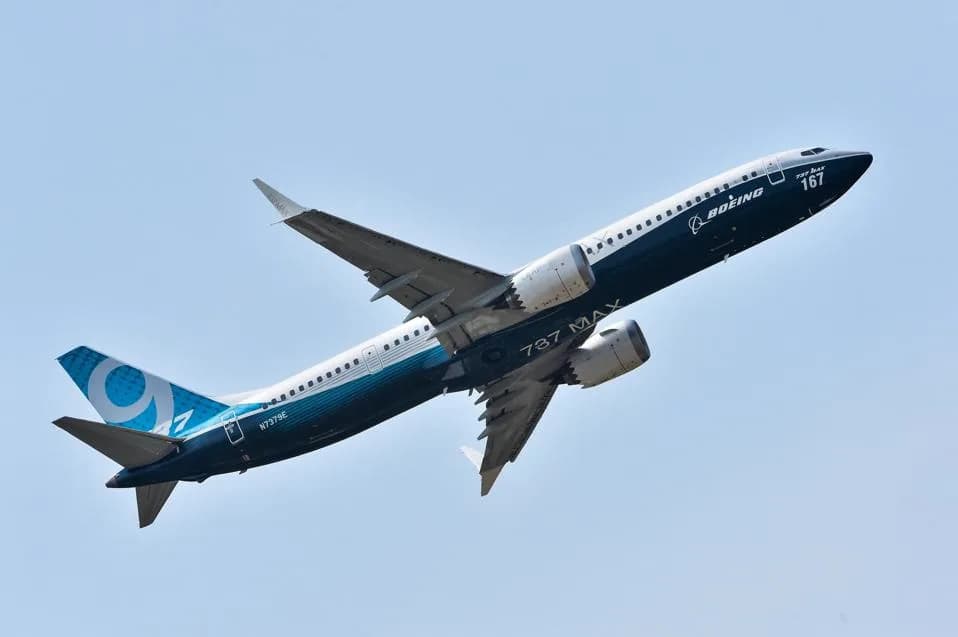
Boeing’s 737 MAX 10 faces fresh delays as the FAA halts approval over a landing software fault. | ©Image Credit: Boeing
Boeing's long‑awaited 737 MAX 10 has been placed on hold by the Federal Aviation Administration (FAA) after regulators discovered a software fault in the jet's flight management system that can interrupt automated vertical guidance during a specific missed‑approach scenario. The fault affects newer versions of the flight management computer software, notably the vertical navigation (VNAV) function, and must be resolved before the FAA will complete Type Certification for the MAX 10.
What the Fault Does
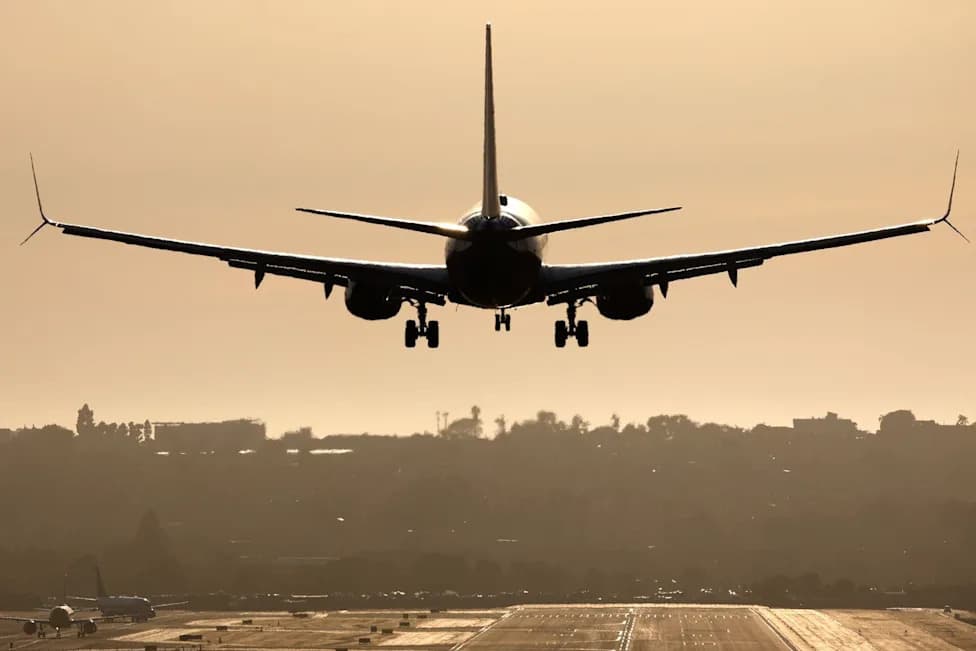
The issue can occur when pilots discontinue a landing attempt and then modify the aircraft's programmed flight path. In that situation VNAV may stop providing automated vertical flight guidance, potentially requiring pilots to use alternate automation modes or to fly manually. Boeing says crews already have procedures to manage the condition—such as using alternate automation modes or disconnecting the autopilot and flying manually—but the FAA has insisted on a permanent software correction before granting certification.
FAA Reaction and Certification Steps
FAA Administrator Bryan Bedford told reporters the agency would not move forward until it is satisfied the problem is fixed: "We will be delaying the 10 until we're satisfied that we don't have an issue here," according to Reuters. The FAA has not provided a new certification date. Before the Type Certificate can be issued, Boeing must complete required testing, clear outstanding certification findings and finalize documentation (including the Airplane Flight Manual). The FAA will then convene a Final Type Certification Board to determine whether all requirements have been met.
Commercial and Market Impacts
The MAX 10 is Boeing's offering at the higher‑capacity end of the single‑aisle market and a direct competitor to Airbus's A321neo. Many airlines—including the three major U.S. carriers—hold substantial orders for the MAX 10, so a certification delay can ripple through production schedules, delivery timelines and airline fleet plans. Carriers planning to introduce the type on new routes may need to adjust inaugural flights and network rollouts. Boeing's shares fell nearly 7% after news of the pause.
Next Steps
Boeing must develop and submit a permanent software fix that satisfies FAA safety standards. The timing of the fix and the FAA's subsequent review will determine when the MAX 10 can receive its Type Certificate and enter commercial service.
Sources: Reuters; Aerospace Global News
Help us improve.