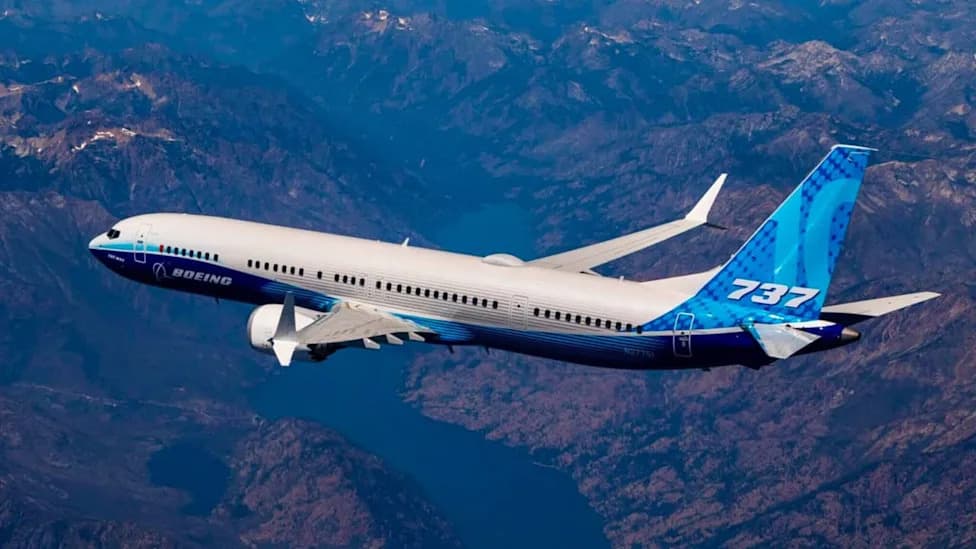
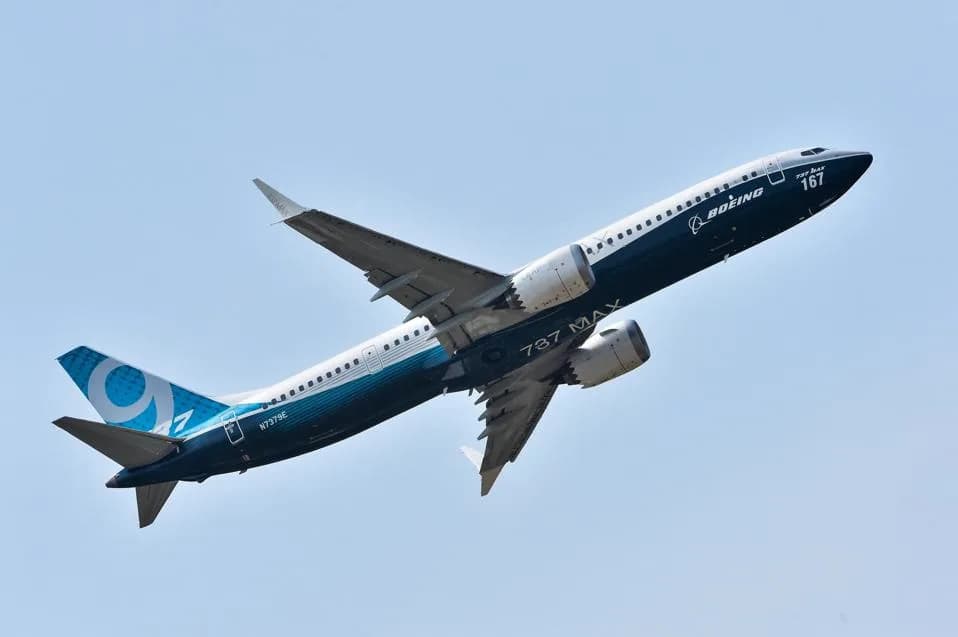
Southwest and United have asked Boeing to skip software versions U.14 and U.14.1 for new 737 MAX deliveries after a VNAV glitch was identified. The anomaly can cause VNAV to disengage following a go-around and route reprogramming, forcing pilots to handle descent manually. Boeing and GE Aerospace are developing a permanent fix while the FAA has convened a Corrective Action Review Board; timing and delivery implications for new MAX 7/10 jets remain unresolved.
Southwest and United Reject Boeing's New 737 MAX Nav Software After VNAV Glitch
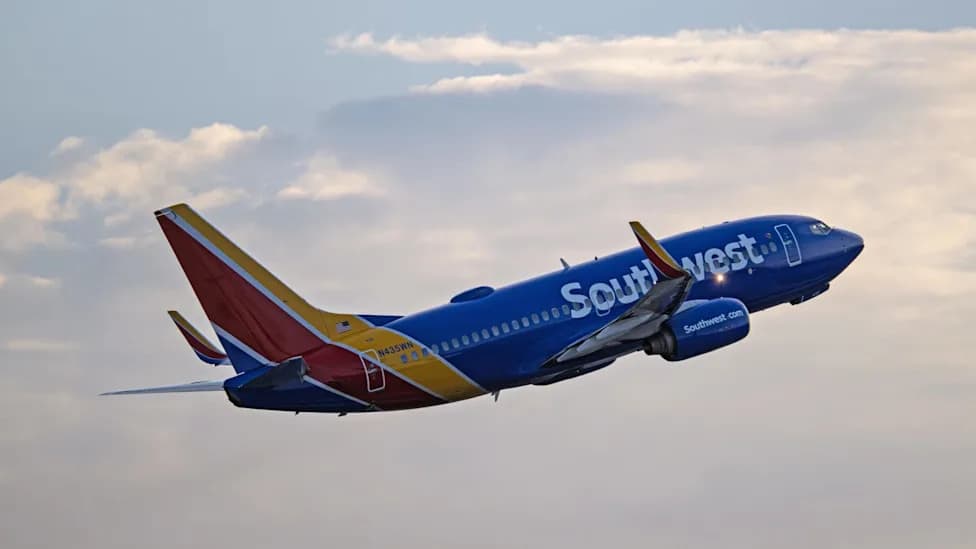
Image: Deposit Photos
Southwest Airlines and United Airlines — two of Boeing’s largest U.S. customers — have asked Boeing to deliver upcoming 737 MAX aircraft with an earlier flight‑management software build, rejecting the newer U.14 and U.14.1 releases tied to a vertical-navigation (VNAV) anomaly now under federal review. The request applies to future deliveries only; both carriers say their active, in-service MAX fleets are not running the affected builds.
The issue appears during a specific sequence: after crews abort a landing, execute a go-around and then reprogram the route for another approach, the automatic VNAV function can disengage. VNAV provides automated altitude and descent guidance; if it drops out, pilots must fly those segments manually, increasing workload during a critical low-altitude phase.
Boeing has told operators that existing procedures allow crews to handle a VNAV disengagement safely and that pilots are trained to land without automated vertical guidance. Aviation Week and other outlets report Boeing initially concluded the anomaly did not meet its threshold for a formal safety review, but after airline feedback the company reopened the issue and launched a formal review.
What Regulators and Manufacturers Are Doing
- FAA: Convened a Corrective Action Review Board to evaluate the behavior and regulatory implications.
- Boeing & GE Aerospace: Working on a permanent software update to correct the VNAV behavior.
- Fleet Assessment: Boeing has shared findings with the FAA and is still determining how many aircraft worldwide carry the affected software builds.
Operational and Certification Implications
The carriers' request is a configuration preference, not a grounding or a formal safety declaration. However, regulatory requirements complicate delivery options: newly built aircraft generally must match the configuration approved at certification, creating uncertainty about whether Boeing can ship MAX 7 or MAX 10 jets to customers with an earlier software load without additional regulatory approvals.
Southwest expects to begin operating the MAX 7 in 2027; the FAA has delayed MAX 10 certification while it evaluates the matter, a step that could ripple into broader fleet planning for airlines with MAX 10 orders.
Context
Although this VNAV issue is different from the MCAS-related failures that caused the 2018–2019 MAX accidents, the program’s history means new software disclosures receive heightened scrutiny from regulators, airlines and the public.
What remains unresolved: whether the VNAV behavior will be classified as a safety-of-flight issue, when Boeing will deliver a permanent fix, and whether regulators will allow deliveries of newly built MAX 7/10 aircraft with modified software configurations without additional approvals.
Help us improve.