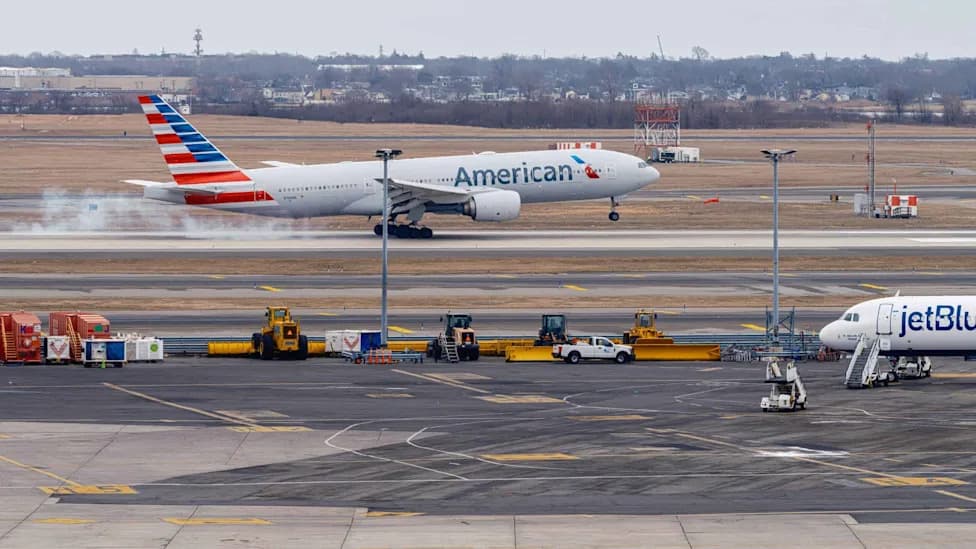
The FAA reduced its Certified Professional Controller staffing target to 12,563 — about 2,000 fewer than projected two years ago — even though 2023 data show only 7,047 certified controllers on staff and most facilities remain understaffed. Major hubs including New York, Miami and Las Vegas are particularly short, contributing to chronic, weather-independent delays and extended shifts for controllers. The FAA plans to hire roughly 15,000 controllers over the next decade, but two- to three-year training timelines mean staffing gaps at the busiest facilities will persist for years. The shortage has drawn renewed scrutiny after two recent fatal collisions, though investigators have not tied those incidents directly to staffing levels.
FAA Lowers Controller Target By ~2,000 As U.S. Air Traffic Faces Acute Shortage
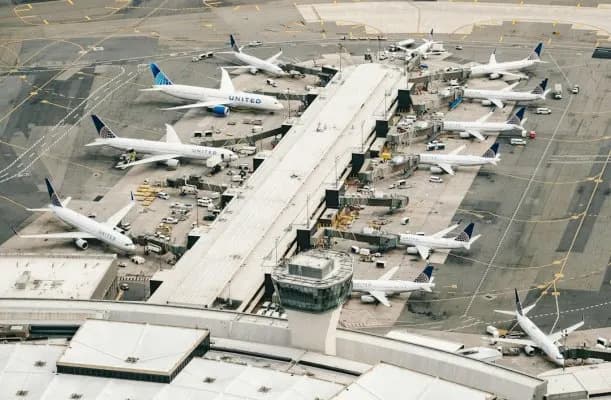
white and gray airplane on airport during daytime
For more than a decade the Federal Aviation Administration has acknowledged a persistent shortage of air traffic controllers. Rather than closing that gap, the FAA's 2026–2028 workforce plan quietly reduced the agency's target for Certified Professional Controllers, a move that highlights how strained the system remains.
Revised Staffing Goal And Current Headcount
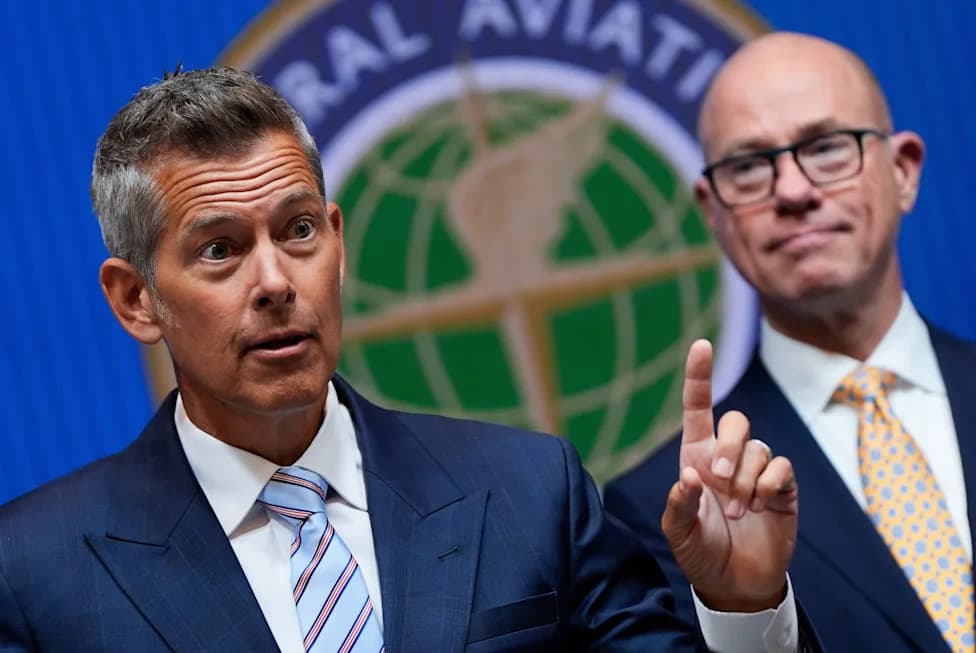
In May the FAA cut its staffing target to 12,563 Certified Professional Controllers — roughly 2,000 fewer than the 14,633 forecast two years earlier. Administrator Bryan Bedford said the agency can maintain safety with fewer staff thanks to "modern staffing models and scheduling tools."
Federal data for 2023 show just 7,047 certified controllers on staff across U.S. control towers and approach facilities, leaving most locations well short of even the revised goal. Only 23 of the FAA's 313 facilities met or exceeded their staffing targets.
Major Hubs Particularly Hard Hit
Some of the nation's busiest airspace is far below target. New York's Terminal Radar Approach Control — which manages traffic into JFK, LaGuardia and Newark — operated at about 54% of target. Miami's tower was at roughly 66%, while facilities in Philadelphia, Orlando, Austin, Albuquerque and Milwaukee were all below 60%. The Las Vegas radar approach facility had 37 controllers against a 2026 target of 46, with about 10 additional departures expected over three years from retirements and attrition.
Operational Impact
Understaffing drives more than occasional delays. Congressional testimony has described controllers routinely working six-day weeks and 10-hour shifts for extended periods, with mandatory overtime becoming a regular scheduling tool rather than an emergency fix. Airlines report measurable effects: United Airlines has said 68% of its 2024 delays on clear-weather days were tied directly to air traffic control staffing limits.
The shortage has also re-entered the national safety conversation following two high-profile fatal incidents: a January 2025 collision near Reagan Washington National Airport that killed 67 people, and a March 2026 runway collision at LaGuardia that killed both pilots of an Air Canada Express flight. Investigators have not concluded staffing shortages directly caused either crash, but both events renewed scrutiny of how thin the system is stretched.
Hiring Plans And Timeline
The FAA intends to hire roughly 15,000 new controllers over the next decade, with targets of about 2,200 this year, 2,300 in 2027 and 2,400 in 2028. The central constraint is time: training a new controller to full certification typically takes two to three years, so hires begun today will not meaningfully close shortfalls at the busiest facilities for several years.
Practical Advice For Travelers And Schedulers
- Favor morning departures over evening flights on routes through chronically understaffed hubs — delays tend to compound over the day.
- Build longer connection windows at New York, Miami, Austin and Las Vegas than airlines' minimum recommendations, especially during peak summer and holiday travel periods.
- Treat "no weather delay" schedules with caution on routes through understaffed facilities: clear skies do not guarantee on-time departures when staffing—not storms—is the constraint.
Source: FAA 2026 Air Traffic Controller Workforce Plan; reporting from Axios and TravelPulse.
Help us improve.