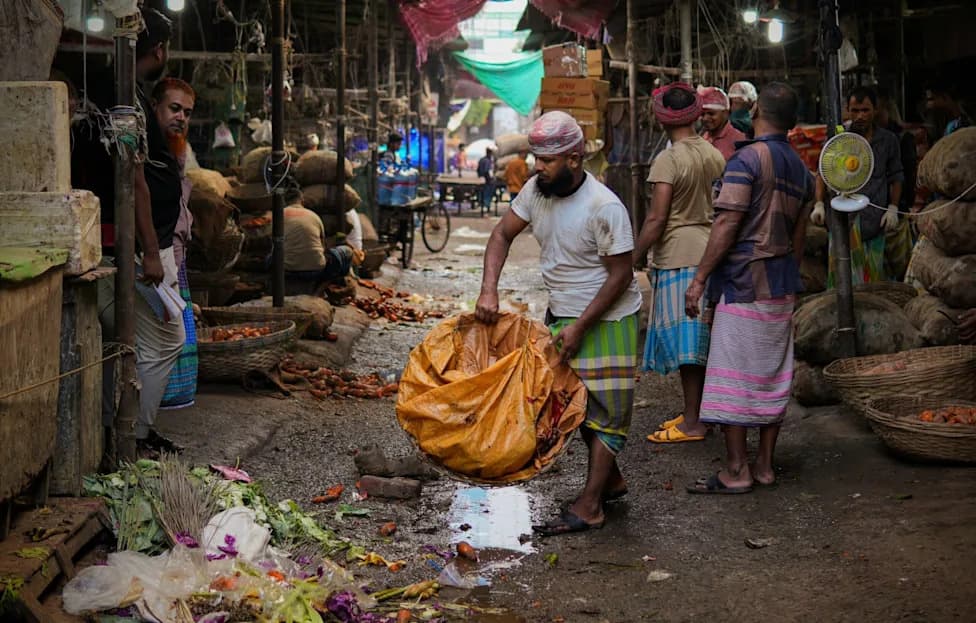
Ho Chi Minh City faces increasingly severe floods as high tides, heavier rains and land subsidence combine with rapid urbanisation. Nearly half the city lies under one metre above sea level, and aging drainage systems struggle to cope with growth. The city announced a $13 billion programme to fix 159 flood hot spots by 2030 and adopted a climate action plan to boost resilience. Experts warn that without major upgrades and subsidence controls, floods will become more frequent and damaging.
Ho Chi Minh City Battles Rising Flood Risk as Climate Change, Urbanisation and Land Subsidence Collide
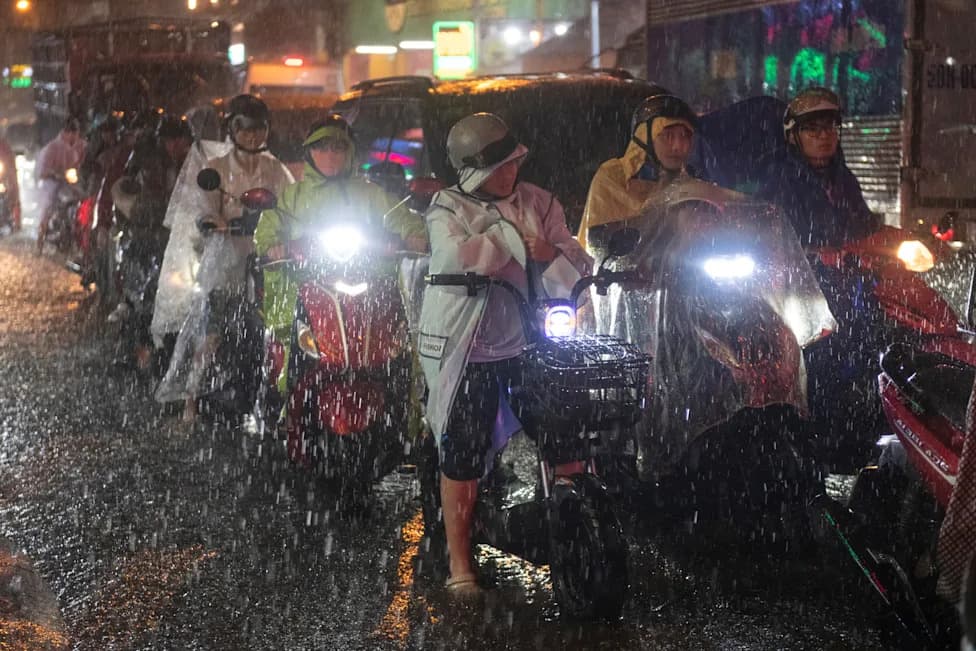
People ride motorbikes through floodwater caused by rain and high tide, on Pham Huu Lau Street in Ho Chi Minh City, Vietnam, Wednesday, Sept. 30, 2026. (AP Photo/Thanh Hue)(AP Photo/Thanh Hue)
HO CHI MINH CITY, Vietnam — Ho Chi Minh City now treats seasonal inundations as part of daily life, yet experts warn the risks are rising as climate change combines with rapid urban growth and sinking land to make floods deeper, more frequent and longer-lasting.
Forecasters warned on Sept. 27 that high tides and heavy rain could raise flood risk across the city. On the evening of Sept. 30 the Saigon River and smaller channels overflowed onto streets, leaving diners, vendors and commuters wading through water in many low-lying districts.
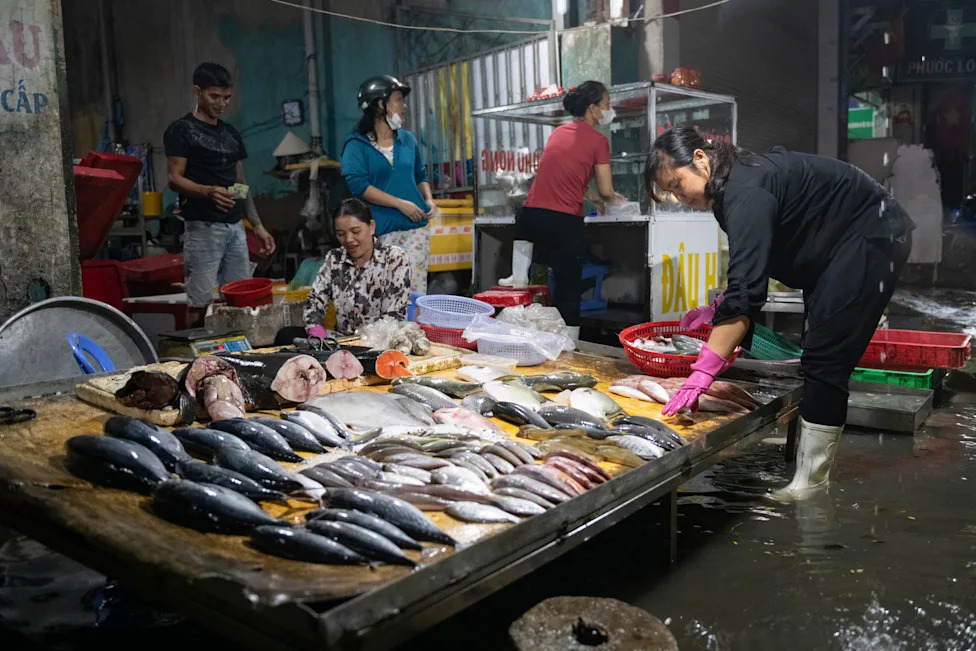
A vendor sells fish on a flooded sidewalk on Pham Huu Lau Street in Ho Chi Minh City, Vietnam, Wednesday, Sept. 30, 2026. (AP Photo/Thanh Hue)(AP Photo/Thanh Hue)
Why Floods Are Getting Worse
Almost half of Ho Chi Minh City's land sits less than one metre (3.2 feet) above sea level. Much of the drainage and canal network dates back to the French colonial era, when the city's population was far smaller; subsequent expansions have struggled to keep pace with rapid urbanisation. At the same time, extensive groundwater extraction has caused parts of the city to subside, reducing natural drainage and increasing flood exposure.
"In cities such as Ho Chi Minh City, climate change is increasingly amplifying flood risk because it is interacting with rapid urbanisation and land subsidence," said Benjamin Horton, professor of earth science at City University of Hong Kong.
Climate Drivers
Global warming is driving higher sea levels and more intense downpours. Higher tides make it harder for stormwater to flow out to the sea; heavier rainfall dumps more water into urban areas in a short period; and subsiding ground causes water to accumulate faster and drain more slowly. Together, these trends raise the baseline risk so that events that were once rare are becoming more common and disruptive.
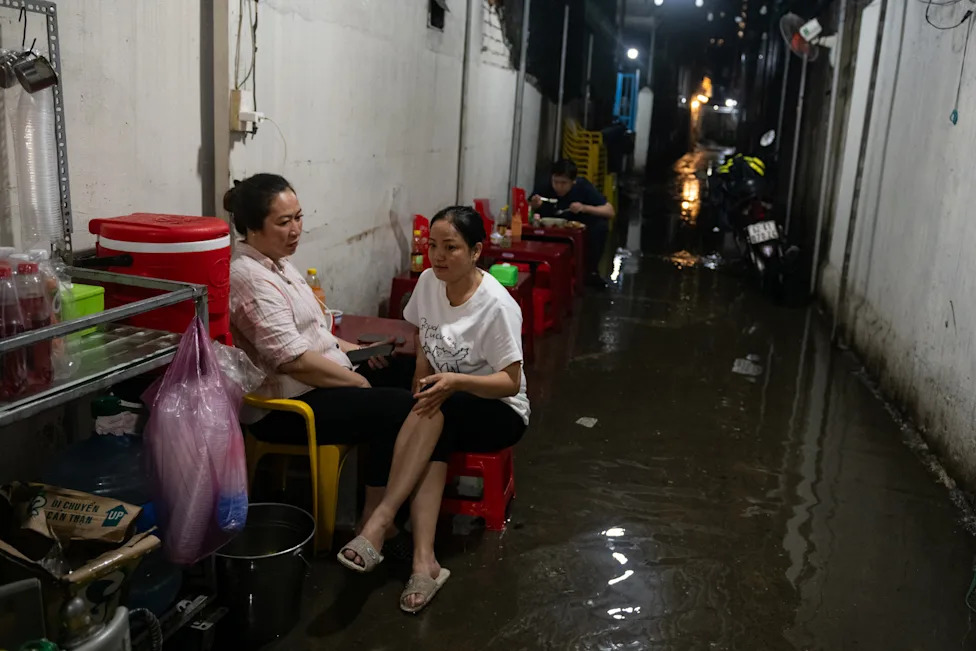
People sit by a flooded alleyway eatery on Pham Huu Lau Street in Ho Chi Minh City, Vietnam, Wednesday, Sept. 30, 2026. (AP Photo/Thanh Hue)(AP Photo/Thanh Hue)
Impact On Residents And Businesses
Residents and small-business owners adapt where they can. Some homeowners have raised floor levels; street vendors shelter under plastic covers or keep stalls open in ponchos. But floods still inundate homes and businesses, interrupt transport, damage infrastructure, contaminate water supplies and create public-health concerns. Nguyen Ngoc Thuong, 45, said floodwater can reach knee height and often takes more than two hours to recede.
City Response
Recognising the scale of the challenge, authorities announced a $13 billion plan in July to address 159 flood hot spots by 2030 and upgraded the city's climate action plan through 2030. Measures include major drainage and canal upgrades, expanded green space, and broader flood-control infrastructure improvements across the newly expanded megacity that now links Ho Chi Minh City with neighboring provinces.
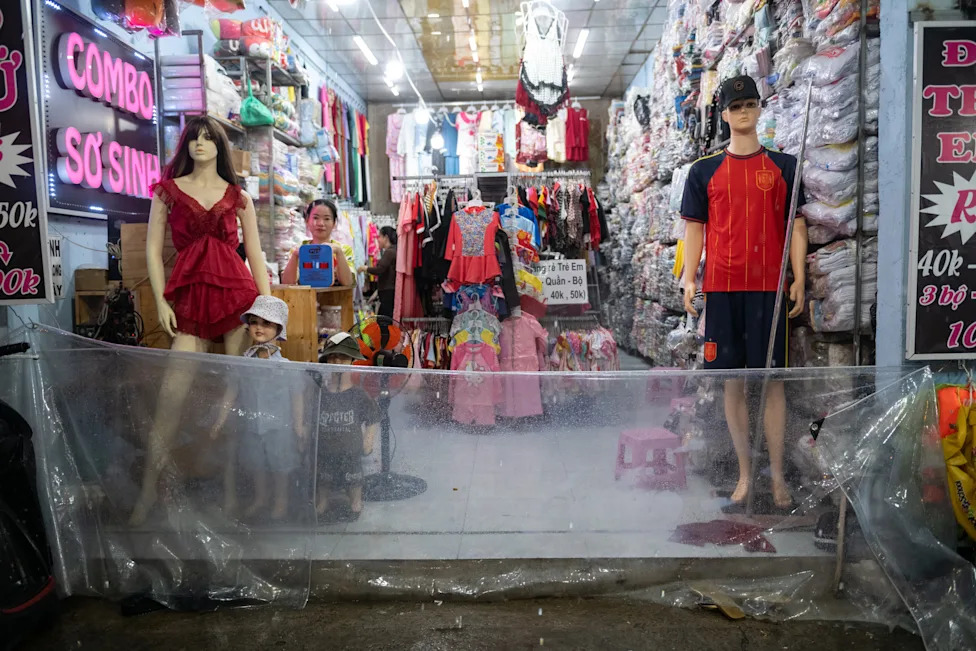
A woman puts up a plastic barrier to keep floodwater out of her shop, as rain and high tide cause flooding on Pham Huu Lau Street in Ho Chi Minh City, Vietnam, Wednesday, Sept. 30, 2026. (AP Photo/Thanh Hue)(AP Photo/Thanh Hue)
Officials say these investments are urgent, but experts caution that substantial engineering upgrades must be paired with measures to reduce subsidence, manage runoff, protect water supplies and plan for long-term sea-level rise.
Regional Context
The broader Southeast Asia region is already seeing similar impacts: heavy rains in Thailand since mid-September affected more than 2.6 million people and killed at least 19, underscoring how climate-driven extreme weather is stressing infrastructure across the region.
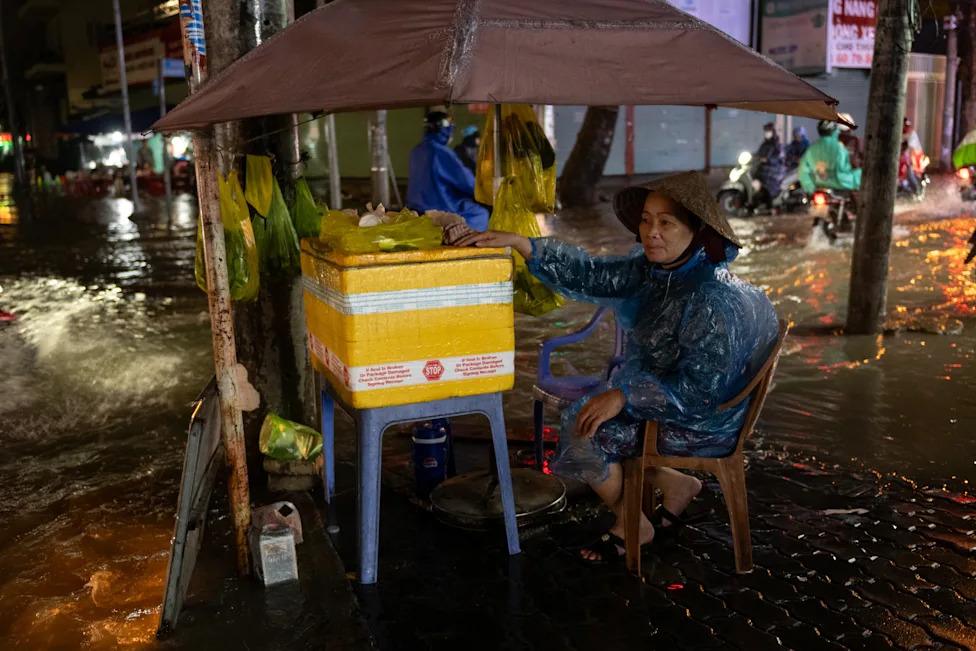
A woman sells food surrounded by floodwaters rain and high tide cause flooding on Pham Huu Lau Street in Ho Chi Minh City, Vietnam, Wednesday, Sept. 30, 2026. (AP Photo/Thanh Hue)(AP Photo/Thanh Hue)
For now, many residents continue ordinary routines amid the water. Vendor Nguyen Thi Nhua, who has sold banh gio at the same sidewalk spot for 12 years, says she keeps selling because customers still come, even when the tide comes in.
Reporting: Ghosal reported from Hanoi. The Associated Press' climate and environmental coverage receives philanthropic support; AP is solely responsible for the content.
Help us improve.