The Senate postponed a bipartisan effort to permanently ban internet-connected vehicles tied to China and other adversaries, likely delaying any final vote until after the November midterms. Sponsors Sen. Bernie Moreno and Sen. Elissa Slotkin say the bill would protect U.S. industry and block potential surveillance; opponents warn a 15% foreign-ownership threshold could catch brands like Mercedes-Benz. The measure gained momentum after the Xi-Trump summit, but senators will continue negotiations and plan to revive the push after the elections.
Senate Delays Vote On Bill To Bar Chinese-Linked Connected Cars, Pushing Decision Past Midterms
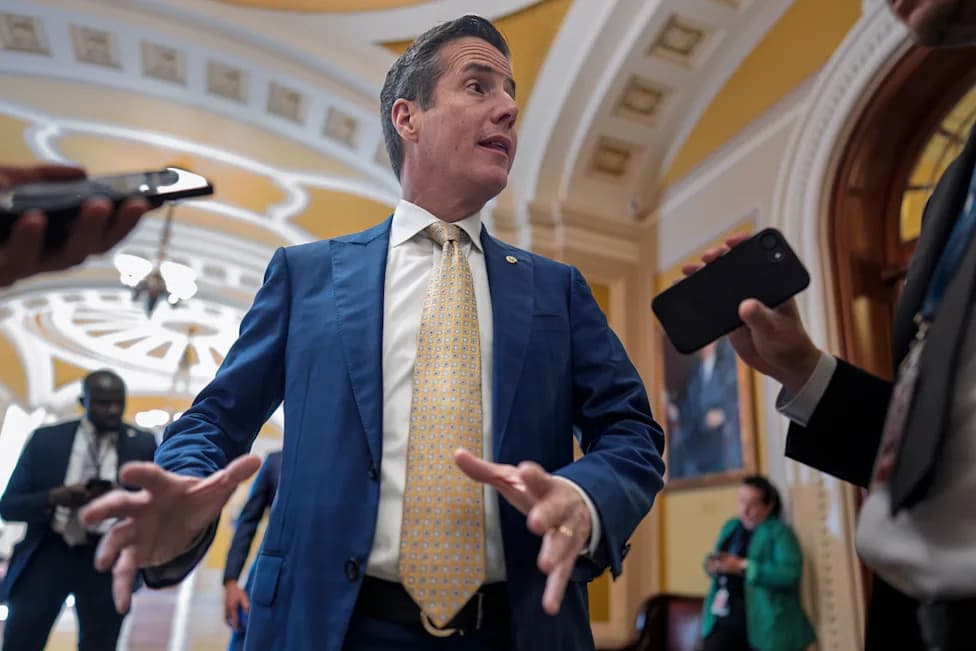
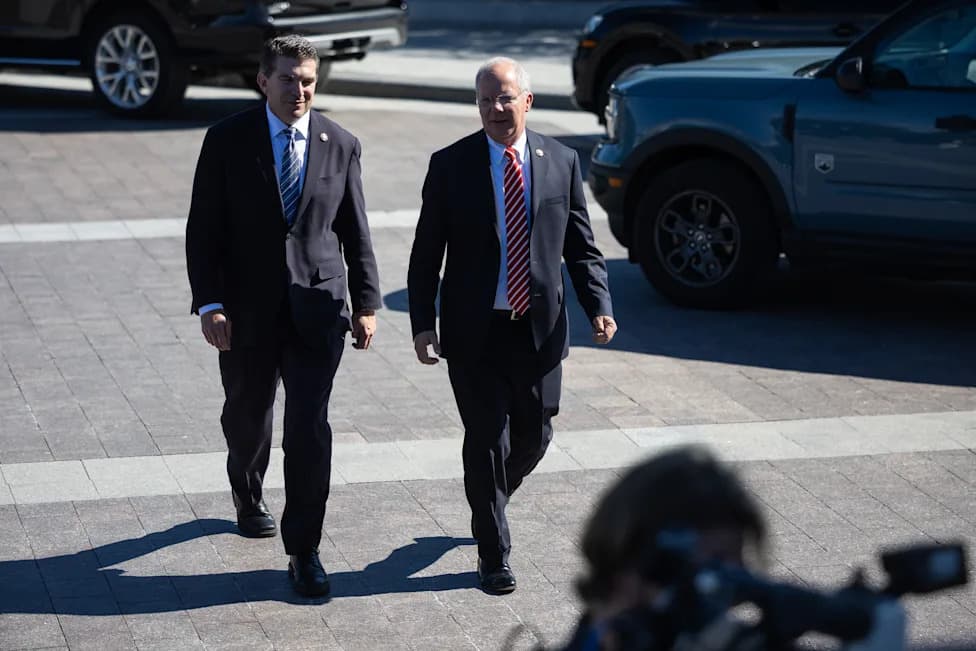
Sen. Bernie Moreno, R-Ohio, talks to reporters outside the chamber at the Capitol in Washington, Wednesday, Sept. 30, 2026. (AP Photo/J. Scott Applewhite)(AP Photo/J.Scott Applewhite)
WASHINGTON — A bipartisan effort to permanently block the sale of internet-connected vehicles tied to China and other U.S. adversaries stalled Wednesday as senators failed to finalize an agreement, making it likely the measure will be deferred until after the November midterm elections.
What the Bill Does
Sponsored by Republican Sen. Bernie Moreno (Ohio) and Democratic Sen. Elissa Slotkin (Michigan), the proposal would prohibit the import, manufacture, sale, resale or introduction into interstate commerce of connected vehicles and related software or hardware linked to China, Russia, Iran or North Korea. Backers say the measure would enshrine recent administration restrictions into law and broaden them so future administrations could not easily reverse the policy.
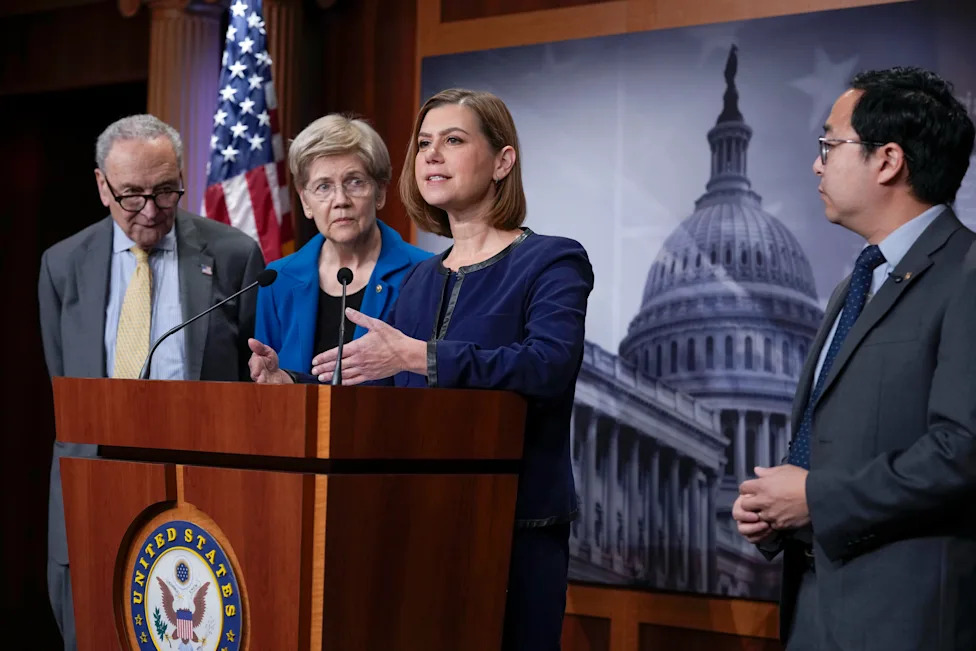
From left, Senate Minority Leader Chuck Schumer, D-N.Y., Sen. Elizabeth Warren, D-Mass., the ranking member of the Senate Banking Committee, Sen. Elissa Slotkin, D-Mich., a member of the Armed Service Committee, and Sen. Andy Kim, D-N.J., ranking member of the Subcommittee on National Security and International Trade and Finance, speak to reporters ahead of the meeting between China's President Xi Jinping and President Donald Trump to demand stronger controls to stop the flow of American chips and artificial intelligence technology into China, at the Capitol in Washington, Wednesday, Sept. 23, 2026. (AP Photo/J. Scott Applewhite)(AP Photo/J. Scott Applewhite)
Why It Stalled
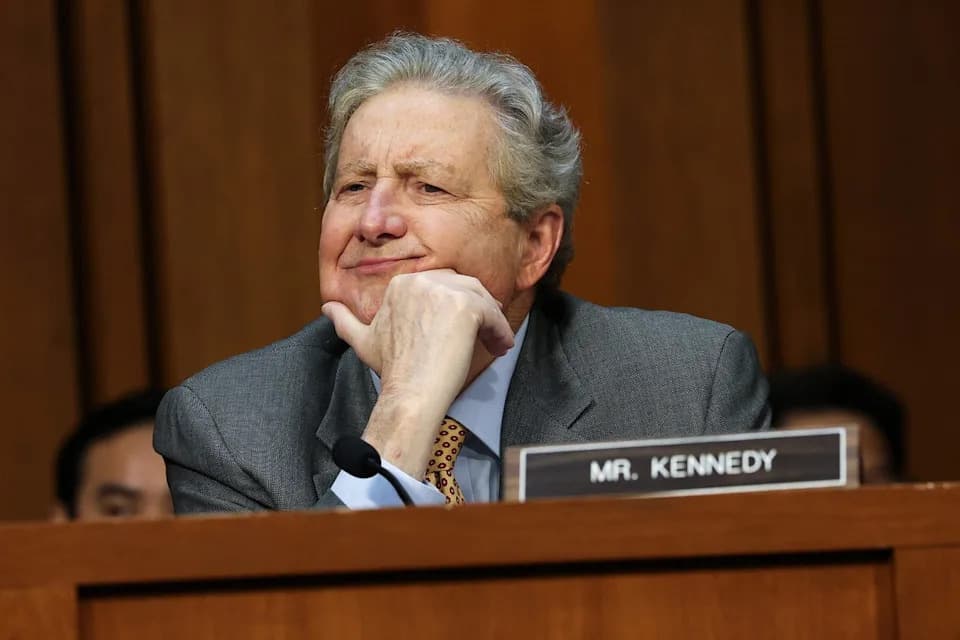
Lawmakers delayed action to continue negotiations with the bill’s lone holdout, Republican Sen. Rand Paul of Kentucky, who warned the measure could unintentionally sweep in major brands. The bill includes a 15% foreign-ownership threshold; Mercedes-Benz — with nearly 20% passive ownership tied to Chinese entities — was cited as a potential casualty of the cap.
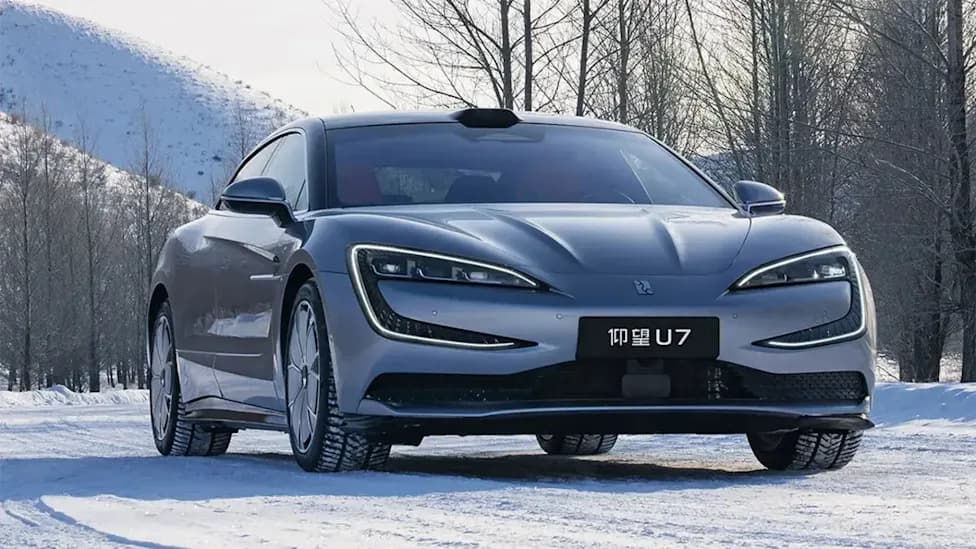
"It is literally a driving spy machine on wheels," Slotkin said of Chinese-connected vehicles, warning that data collected by those cars could be transmitted back to Beijing.
Political Context And Industry Concerns
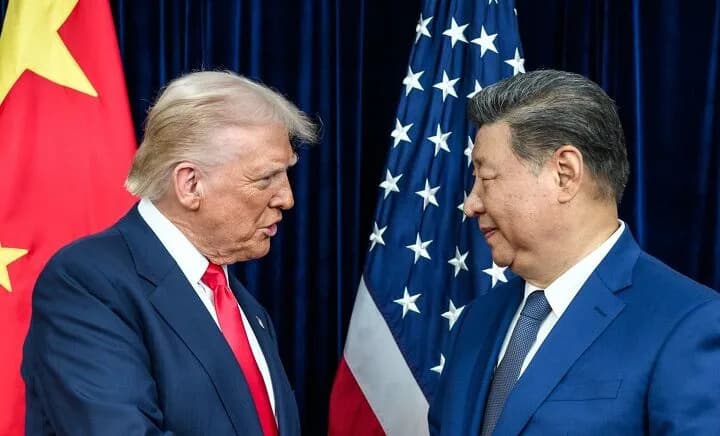
The measure gained momentum after a recent summit in Washington between Chinese President Xi Jinping and President Donald Trump, which included trade discussions. Sponsors initially planned to move the bill last week without a formal roll call vote but paused to resolve lingering objections.
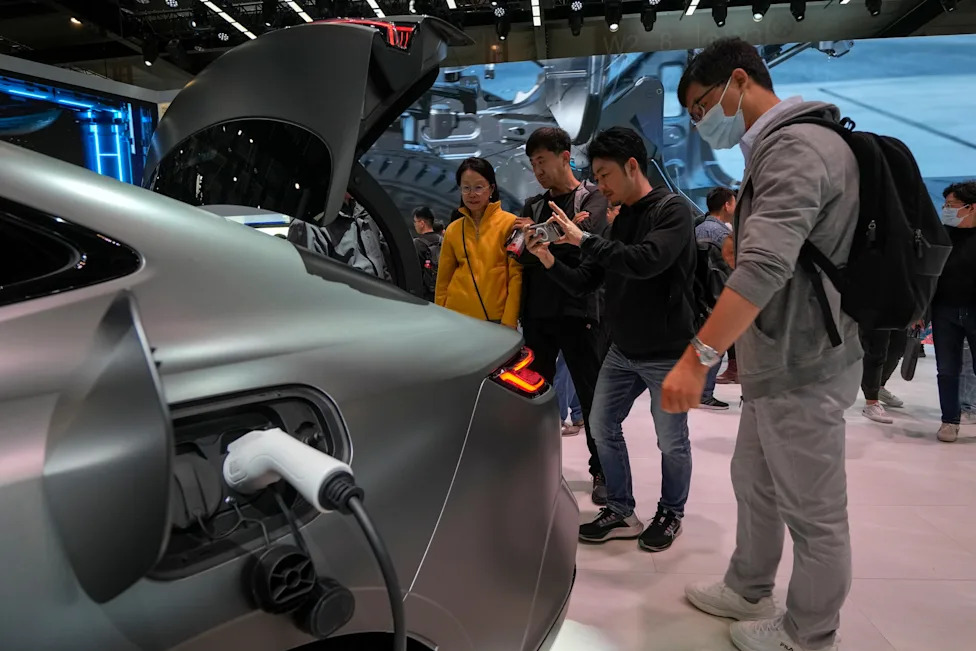
FILE - Visitors look at a Geely Galaxy E8 electric car during the Auto China 2024 in Beijing, Sunday, April 28, 2024. (AP Photo/Andy Wong, File)(AP Photo/Andy Wong)
Supporters frame the bill around two main risks: protecting the U.S. auto industry from heavily subsidized Chinese competitors and preventing connected-vehicle technologies from harvesting sensitive data on Americans and critical sites. Opponents say the 15% ownership cutoff could unintentionally penalize companies with strong U.S. ties.
"I am concerned about what can happen to the U.S. automobile industry with the Chinese electric vehicles," Republican Sen. Steve Daines told The Associated Press, calling Chinese EVs "high quality at a much lower cost" and warning that heavy subsidies could distort competition.
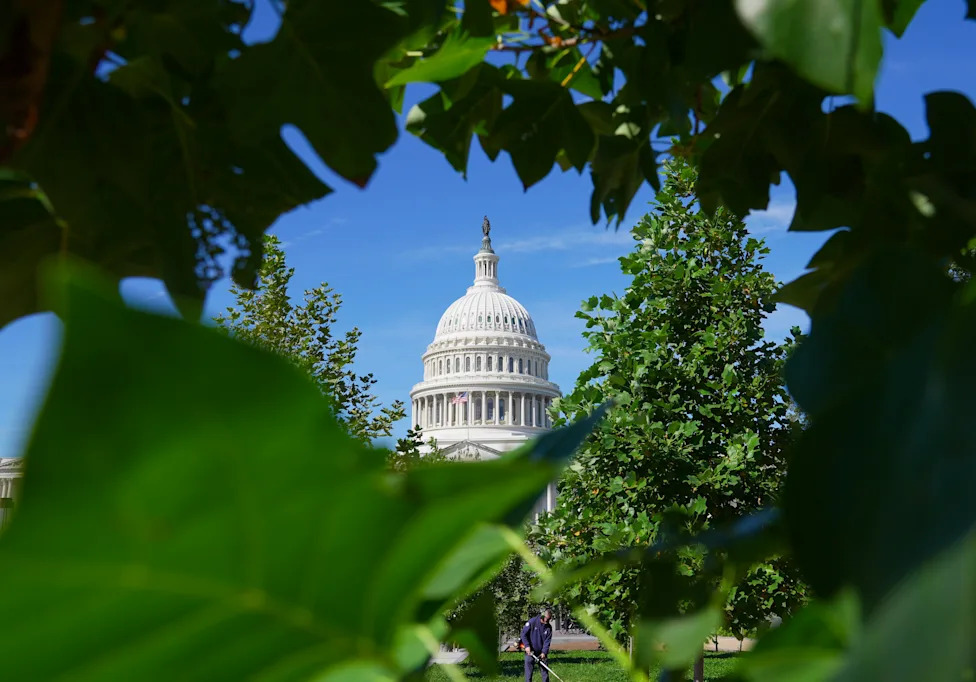
The U.S. Capitol is seen Friday, Sept. 25, 2026, in Washington. (AP Photo/Mariam Zuhaib)(AP Photo/Mariam Zuhaib)
Global Market Trends
Chinese automakers have rapidly expanded overseas, pressuring established manufacturers with aggressive pricing and technology. In the first eight months of this year, China exported more than 3.4 million new-energy vehicles — more than double the amount shipped in the same period last year, according to the China Association of Automobile Manufacturers. The International Energy Agency reported Chinese manufacturers accounted for roughly 60% of global electric-car sales in 2025, while European and North American automakers each made up about 15%.
What's Next
Backers say they will press the issue after the midterm elections. James Lewis, a distinguished fellow in the tech policy program at the Center for European Policy Analysis, said the threat posed by China’s scale in vehicle production makes the issue existential for many automakers.
"China can make enough cars in a single year to supply the entire global demand," Lewis said. "This is existential for the car companies." Senators and industry groups remain engaged as Washington weighs national security concerns against potential economic and trade consequences.
Help us improve.