New analysis estimates chewing tobacco was used by about 241 million people aged 15+ in 2023 and contributed to roughly 251,000 deaths that year. The burden is heavily concentrated in South Asia — India alone accounts for an estimated 105 million users and about 104,000 deaths. Strokes and multiple head and neck cancers were major causes of harm. Researchers warn that chewing tobacco has received far less regulatory attention than cigarettes and call for targeted, culturally sensitive control measures.
Study: Chewing Tobacco Linked to ~251,000 Deaths in 2023 as Use Remains High
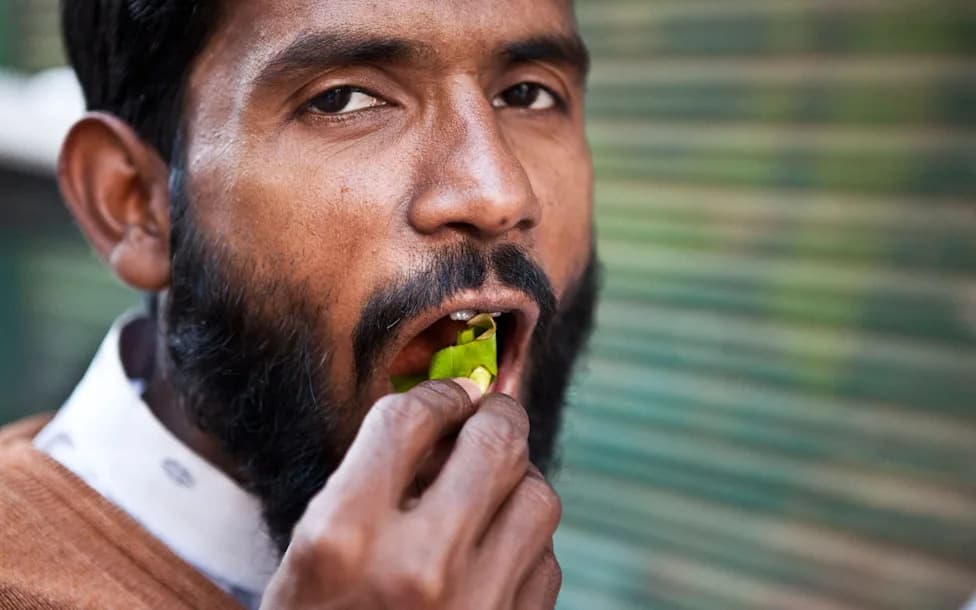
In India, 105 million people chew tobacco regularly - Hakbong Kwon/Alamy Stock Photo
New global research finds that chewing tobacco — a smokeless product commonly held between the cheek and lower gum — remained widely used in 2023 and was linked to roughly 251,000 deaths that year. The analysis, published in Lancet Global Health by the Institute for Health Metrics and Evaluation (IHME), estimates about 241 million people aged 15 and older used chewing tobacco in 2023, with the burden concentrated in a small number of countries, particularly in South Asia.
Key Findings
Researchers compiled data on chewing-tobacco use in 204 countries from 1990 to 2023. They found no significant global decline in the number of users over that period; in fact, 24 countries saw a significant rise in user numbers. South Asia remains the epicenter of use: roughly one in five men and one in 10 women in the region used chewing tobacco in 2023.
India accounts for the largest share of global users, with an estimated 105 million regular users and about 104,000 deaths attributed to chewing tobacco in 2023 — roughly two-thirds of the worldwide total. Bangladesh recorded the largest increase in users since 1990 (about 15 million additional users), and Nepal, Madagascar and Yemen also experienced notable rises. The United States was the only non-Asian country in the study’s top 10, with an estimated 5.9 million users in 2023 (commonly referred to there as "dip").
Health Consequences
Strokes were the leading cause of death and disability linked to chewing tobacco. The product also contributes to a range of head and neck cancers, including:
- Lip and oral cavity cancer
- Laryngeal cancer
- Nasopharyngeal and other pharyngeal cancers
- Oesophageal cancer
"Chewing tobacco is not a uniform public health problem, and our findings show that a relatively small number of countries bear an overwhelming share of its health burden," said Gabriela Gil, lead author and research scientist at IHME.
Policy and Cultural Context
The investigators note that anti-smoking efforts have not been matched by campaigns and enforcement aimed at smokeless tobacco. Weak regulation, inconsistent enforcement and industry strategies to circumvent rules have limited progress. Social norms also shape risk: in some places chewing tobacco is considered more acceptable for women than smoking, creating a need for gender-sensitive policies. For example, in Bangladesh more women over 30 chew tobacco than men of the same age.
Historically, products such as paan (raw tobacco mixed with betel leaf and areca nut) were chewed in parts of South Asia. In the 1980s manufacturers began selling powdered, packaged mixtures such as gutkha; despite a 2012 ban in India, gutkha and similar products remain widely available.
What This Means
The study underscores that chewing tobacco is an ongoing global public-health concern with a concentrated geographic burden. The authors call for stronger surveillance, targeted prevention programs, culturally tailored messaging and stricter enforcement of regulations to reduce use and avert disease and premature deaths.
Help us improve.