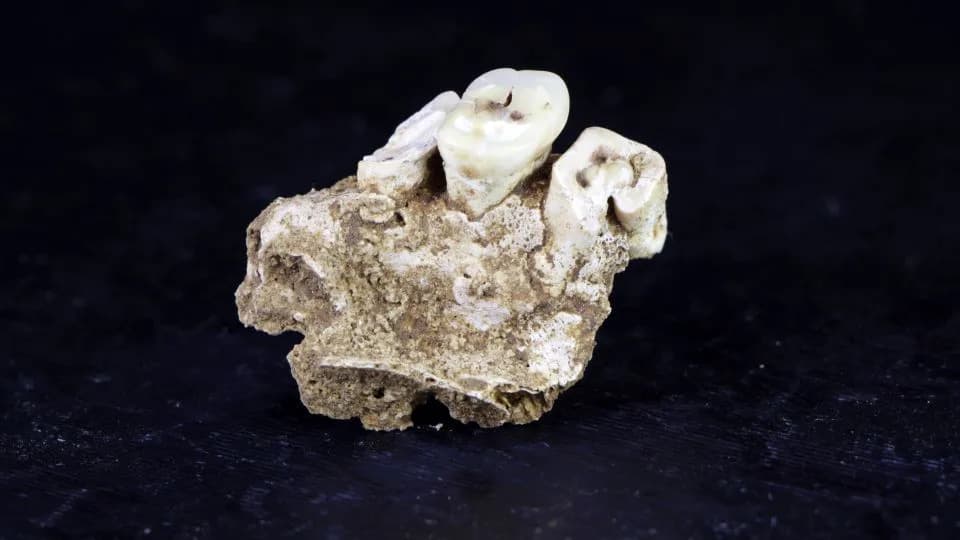
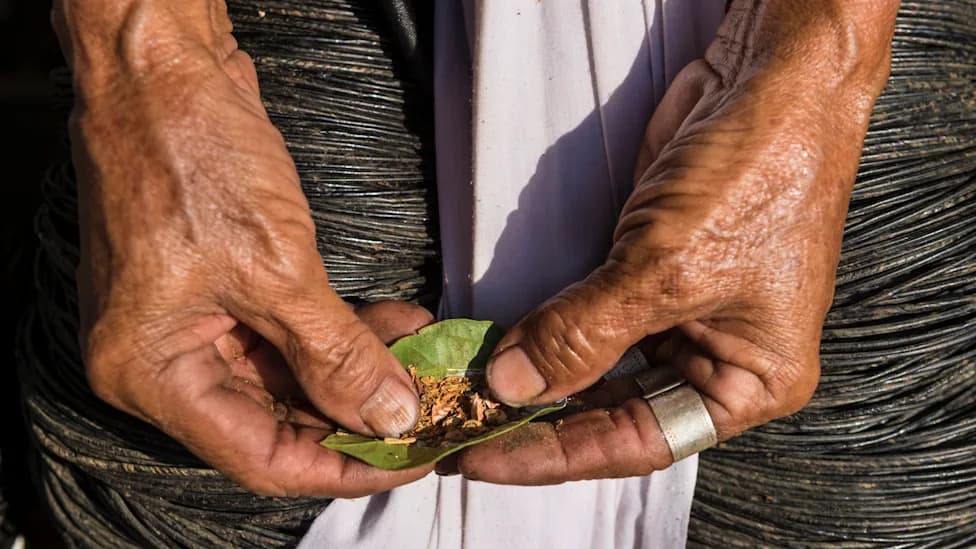
Dental remains from Sulawesi, Indonesia, show rounded, hollowed molar grooves consistent with repeated sucking and occasional gnawing of betel (areca) palm seeds. One specimen dates to about 16,000–25,000 years ago and a second to ~6,300–7,600 years ago. Chemical tests detected arecoline, the betel alkaloid, and lab assays showed sucking whole nuts released enough arecoline to blunt tooth pain. Researchers argue the practice began as self-medication and evolved into dependence that caused severe oral disease.
25,000-Year-Old Teeth Reveal The World's Oldest Drug Habit — Betel Nuts Used As Prehistoric Painkillers
Ancient Teeth Show the World's Oldest Drug HabitimageBROKER/Eskymaks - Getty Images
Archaeologists working on Sulawesi island, Indonesia, say dental remains from two prehistoric foragers show the earliest clear evidence of habitual drug use: repeated sucking and occasional gnawing of betel (areca) palm seeds as far back as 16,000–25,000 years ago. The wear patterns, chemical traces and laboratory tests together suggest people used whole betel nuts to blunt tooth pain and, over time, developed dependence that damaged their mouths.
What Researchers Found
One specimen, dated to the Late Pleistocene (about 16,000–25,000 years ago), consists of a right maxilla and molars from an adult at least 35 years old. A second specimen from the middle Holocene (roughly 6,300–7,600 years ago) includes additional molars with similar damage and tooth loss. Both sets of teeth show rounded, hollowed grooves on the molars — a distinctive wear pattern the authors attribute to repeatedly holding a hard, rounded object in the back of the mouth and shifting it from cheek to cheek with the tongue.
Why Betel Nuts?
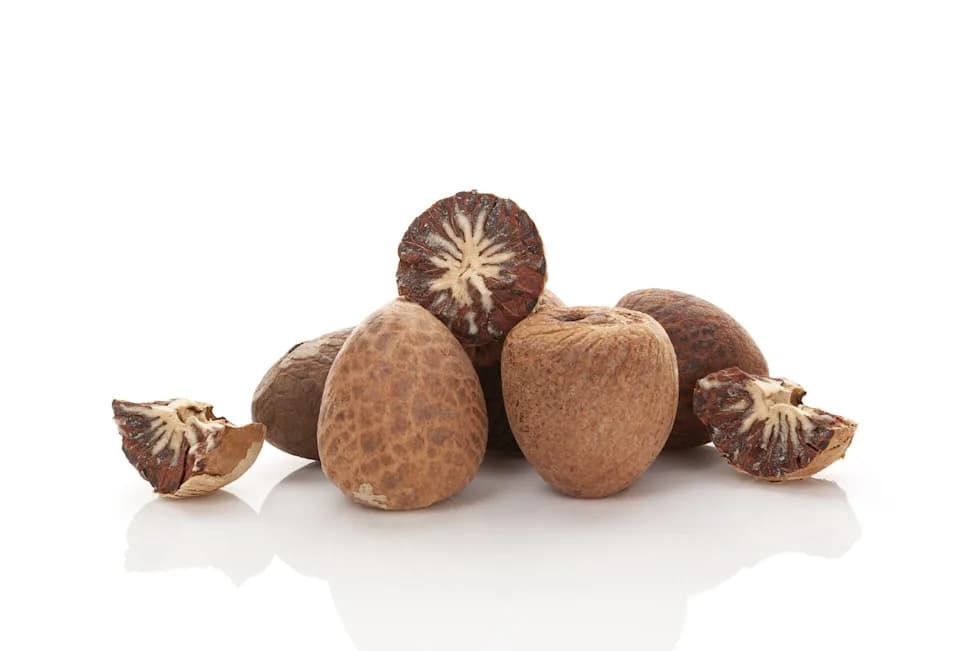
Measurements of the worn areas match the dimensions of shelled seeds from the wild areca palm (Areca catechu). Modern betel chewing is known to cause extreme tooth wear, periodontal disease, enamel and root fractures, staining, and heavy plaque accumulation. Unlike ordinary chewing, the Sulawesi pattern indicates prolonged manipulation of a small, hard object inside the mouth, consistent with repeatedly sucking whole nuts and occasionally gnawing them.
Chemical Evidence And Experiments
Chemical analysis detected arecoline and other compounds specific to A. catechu in both prehistoric tooth specimens. Arecoline is an alkaloid that activates muscarinic and nicotinic acetylcholine receptors in the brain and produces stimulant effects similar to nicotine.
To test whether sucking whole nuts would release psychoactive levels of arecoline, the researchers soaked whole and crushed nuts in saline and assayed the solutions. Crushed (chewed) nuts released more arecoline, but water soaked with whole nuts still released measurable amounts. In laboratory assays, water from whole-nut soaks activated human acetylcholine receptors expressed in frog eggs, indicating that sucking alone would have delivered pharmacologically active levels sufficient to blunt tooth pain.
Interpretation And Implications
The authors propose that early foragers used betel nuts as a form of self-medication for dental pain. Because the nuts themselves are hard and abrasive, continued use would progressively worsen dental problems — a feedback loop that could produce dependence and chronic use. The study concludes that managing addiction and other health consequences of drug use was part of human experience long before many other commonly cited ancient psychoactives, such as alcohol.
"Physical dependence was significant enough to cause severe dental damage," the researchers write in Science Advances, where the study was published.
This discovery extends the timeline of habitual psychoactive use and illustrates how a medicinal practice can evolve into a damaging habit. While betel use today remains culturally significant in many regions of Asia and Oceania, these findings show its deep antiquity and a longstanding connection between pain, remedy, and dependence.
Help us improve.