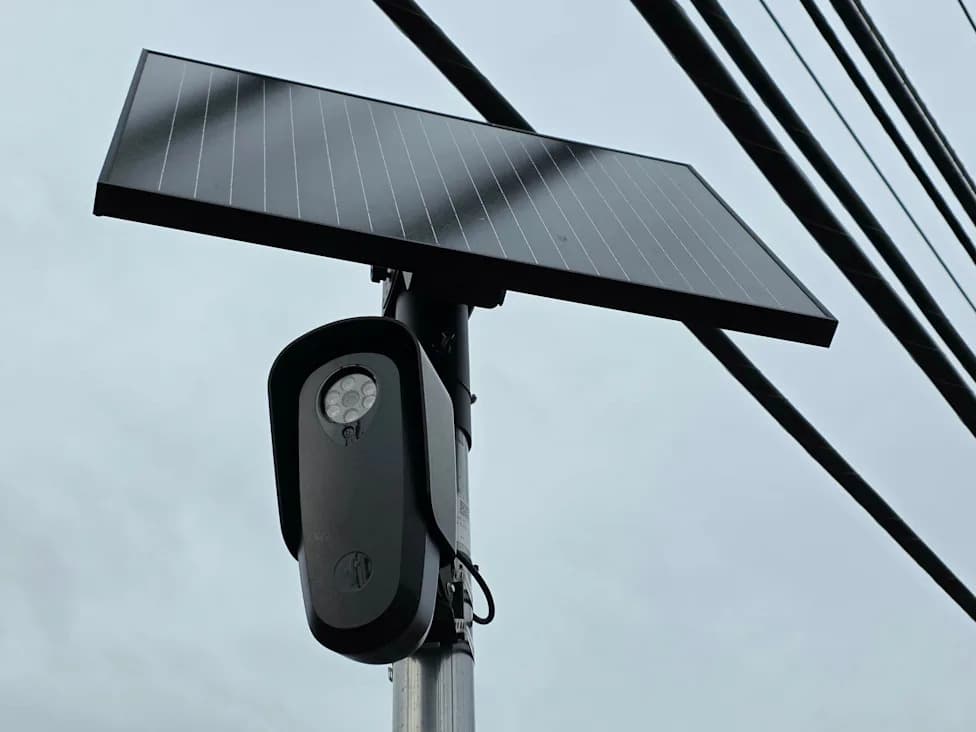
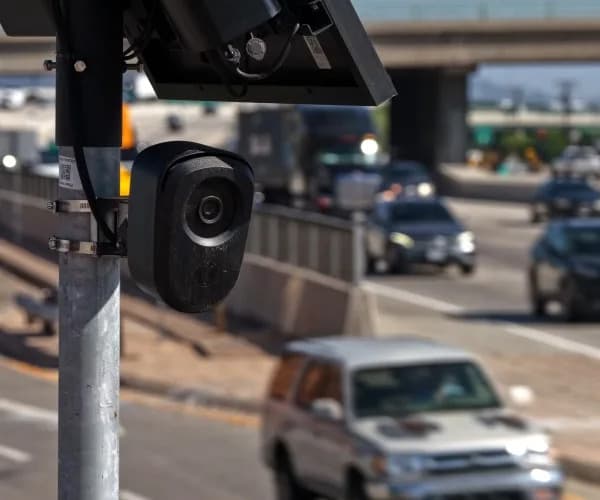
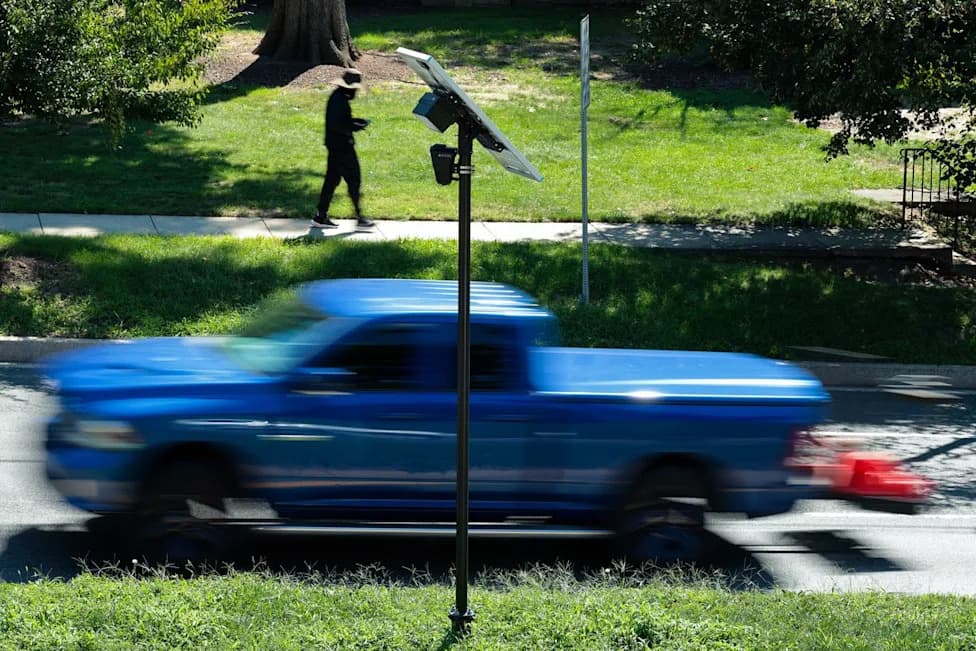
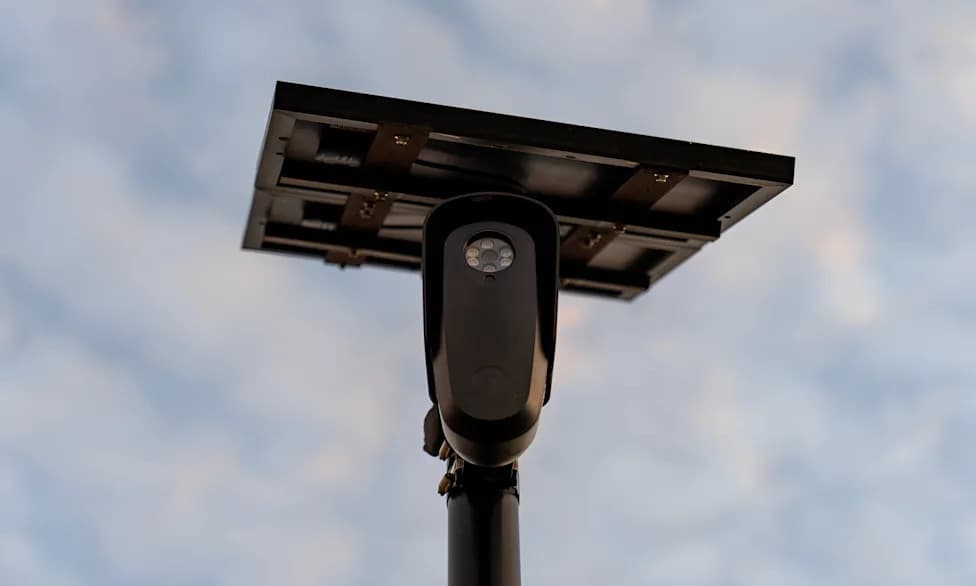
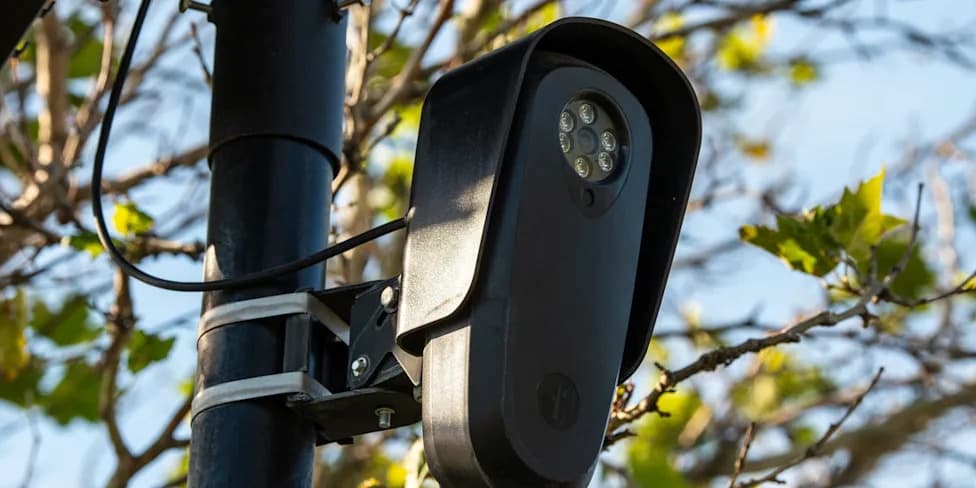
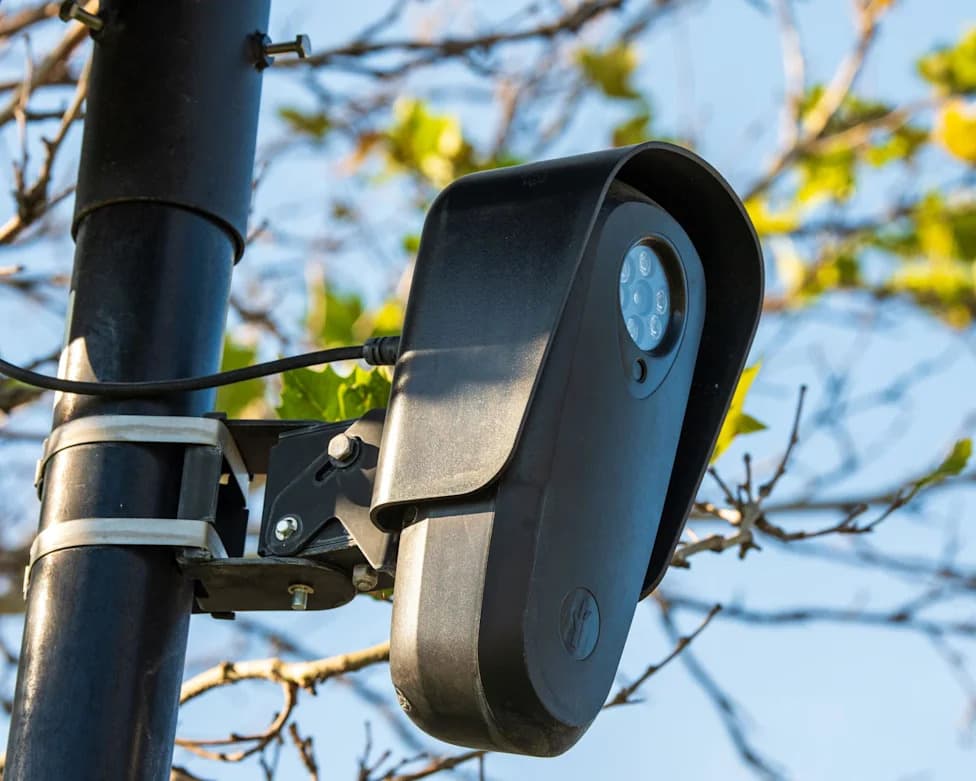
San Francisco Democratic Party Chair Nancy Tung received a $10,000 contribution to her officeholder account from tech investor Chris Larsen on Aug. 6, city campaign records show. Two weeks later, on Aug. 19, Tung used that same account to purchase a $347 Frontier Airlines ticket to Atlanta for Flock Safety’s Flock Forward conference.
The conference is a private industry event that barred journalists, citing privacy concerns for attendees. Tung told reporters she was invited to speak in her role as party chair about San Francisco’s public-safety initiatives and that the trip was party-related business.
Blocked Resolution: On Aug. 26, Tung prevented a resolution by Democratic Party board member Gordon Mar from appearing on the party’s regular meeting agenda. Mar’s resolution sought tighter limits on how Flock Safety’s license-plate-reader data is accessed and how long those records are retained. Tung said the measure contained factual errors and that party rules require the chair’s consent before a resolution is placed on the agenda; she denied that Larsen’s donation or the conference invitation influenced her decision.
Undisclosed Ties Raised: Mar alleges two board members with direct ties to Flock remained involved in the matter without disclosing those connections. Lily Ho previously worked as a public-affairs manager for Flock’s western U.S. operations, and Trevor Chandler is a current Flock employee. Mar argued both should have recused themselves or disclosed the relationships during debate.
"The donation and conference trip made Tung's actions even more troubling," Mar said, asserting the financial tie created the appearance of a conflict. That allegation does not, on its own, establish that the donation directed Tung's conduct.
After initially blocking the item in August, Tung later placed Mar's resolution on a subsequent agenda; it failed. Tung then co-authored a separate resolution praising the use of automated license-plate-reader technology, and that pro-technology resolution was approved by the party. That sequence aligns with Tung's stated public-policy position in support of the technology.
Broader Context
Reporting by the SF Standard attributes roughly $12 million in contributions from Larsen to various San Francisco Police Department surveillance efforts. Separate coverage has described about $9.4 million in Larsen-backed funding tied to the SFPD's Real-Time Investigation Center. These figures may reflect different accounting periods or definitions of "surveillance efforts" and should not be treated as directly equivalent without reviewing the underlying records.
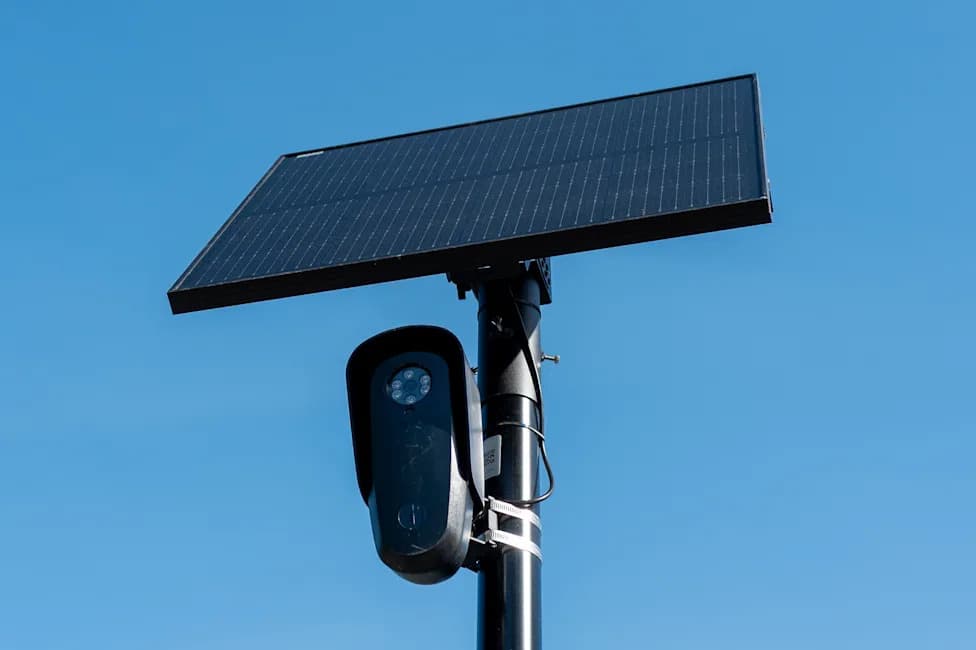
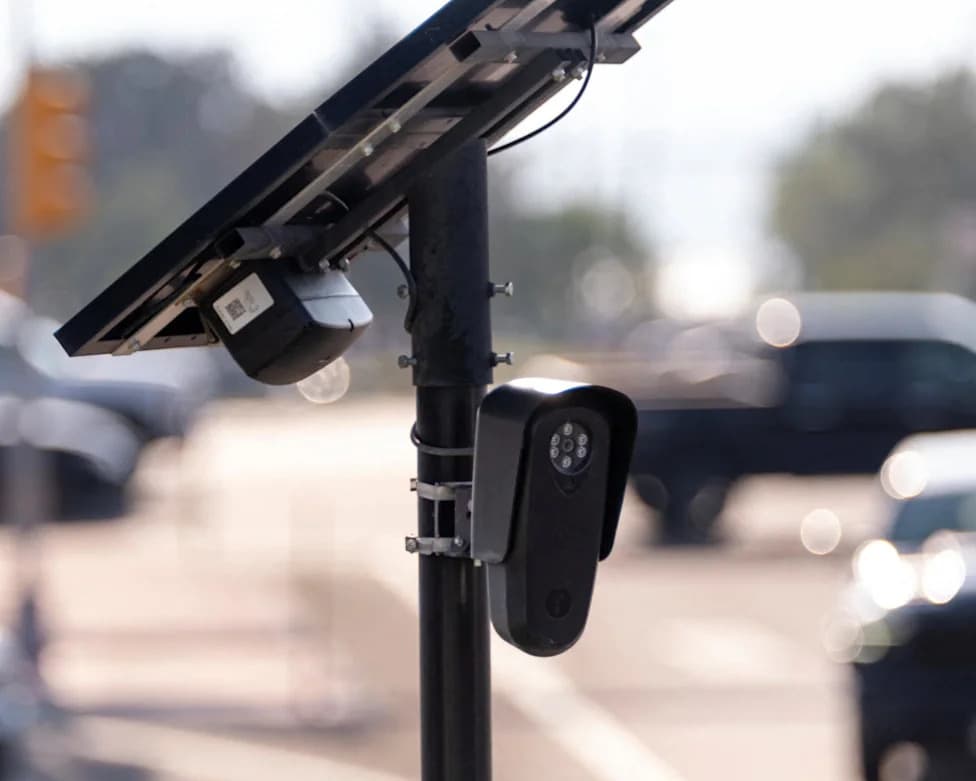
San Francisco’s Flock system has drawn scrutiny over the volume of outside-agency access and audit findings of improper searches. The SF Standard reported the city’s Flock database was accessed 1.6 million times by out-of-state agencies, and Mission Local later reported audit findings identifying improper searches of that data.
Why This Matters
Supporters of automated license-plate readers point to benefits such as locating stolen vehicles and finding missing people. Critics counter that concerns about data-retention periods, access controls and potential repurposing of records—for immigration enforcement or other uses beyond the original intent—remain unresolved.
This episode highlights a structural question for political organizations: how should parties manage financial relationships and potential conflicts when members vote on policy? The San Francisco Democratic Party’s conflict-of-interest rules mainly address contract votes rather than policy resolutions, leaving perceived impartiality in a less clearly defined area. Whether the party should adopt formal recusal and disclosure requirements for policy votes involving vendors connected to board members is an open question prompted by this dispute.