The DC Police Union says MPD Internal Affairs used Flock Safety license‑plate reader data to monitor officers under misconduct investigation without notifying them, a practice revealed in July 2026. MPD denied the grievance on August 25 and moved the dispute to arbitration, while routing most Flock queries through the Real Time Crime Center but allowing Internal Affairs to keep direct access. The disclosure comes amid a nationwide wave of contract terminations: Secure Justice reports 90+ localities dropped Flock in August 2026 and 214 municipalities have ended contracts since 2021. D.C. Councilmember Brooke Pinto has sent 10 questions to Interim Chief Jeffery Carroll as oversight intensifies.
DC Police Union Alleges MPD Used Flock LPRs to Monitor Officers — Arbitration and D.C. Council Probe Follow

Image: Deposit Photos
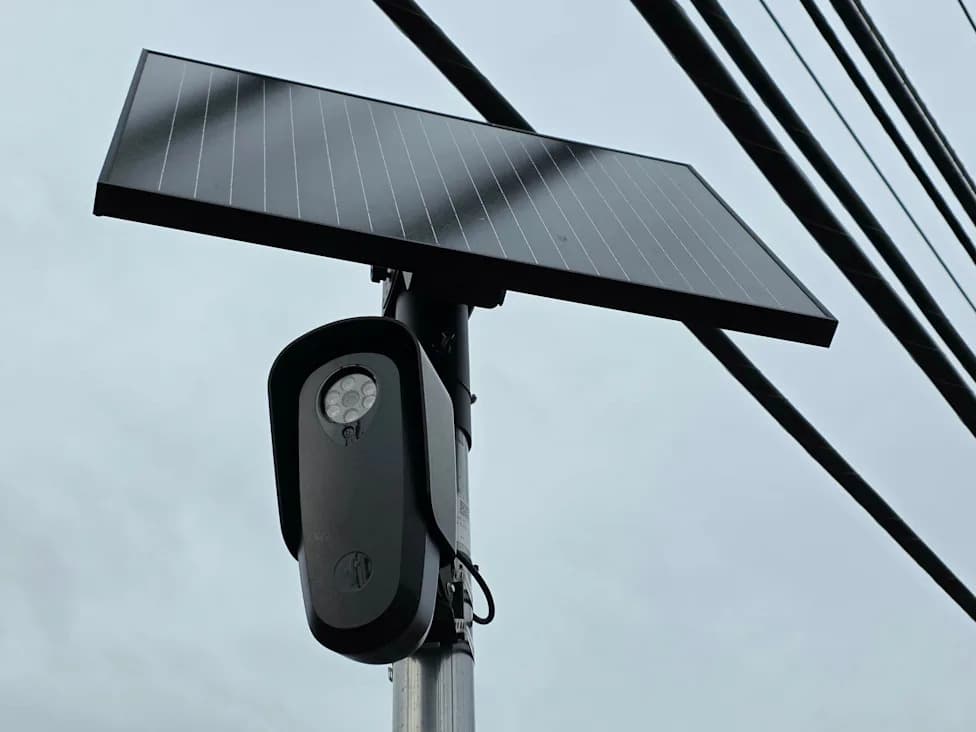
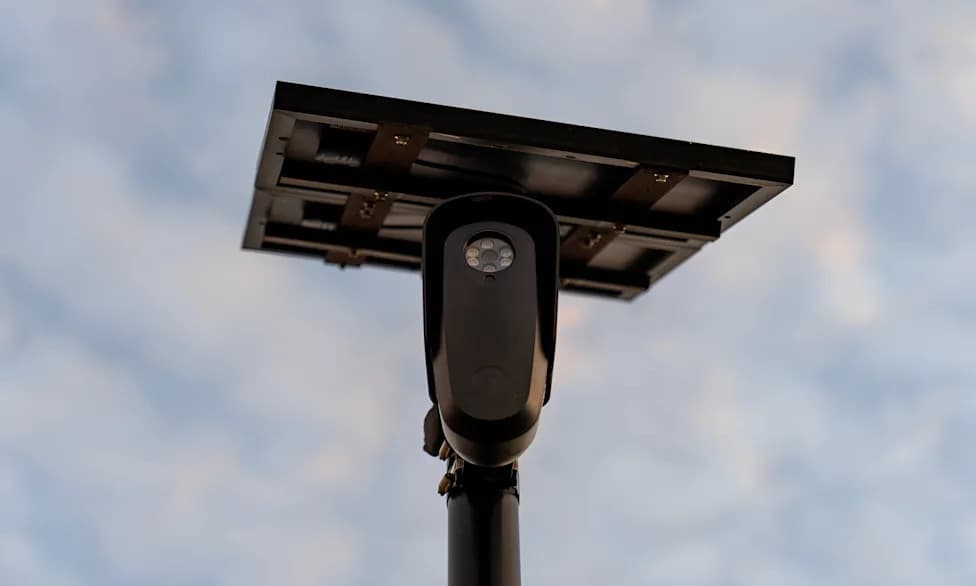
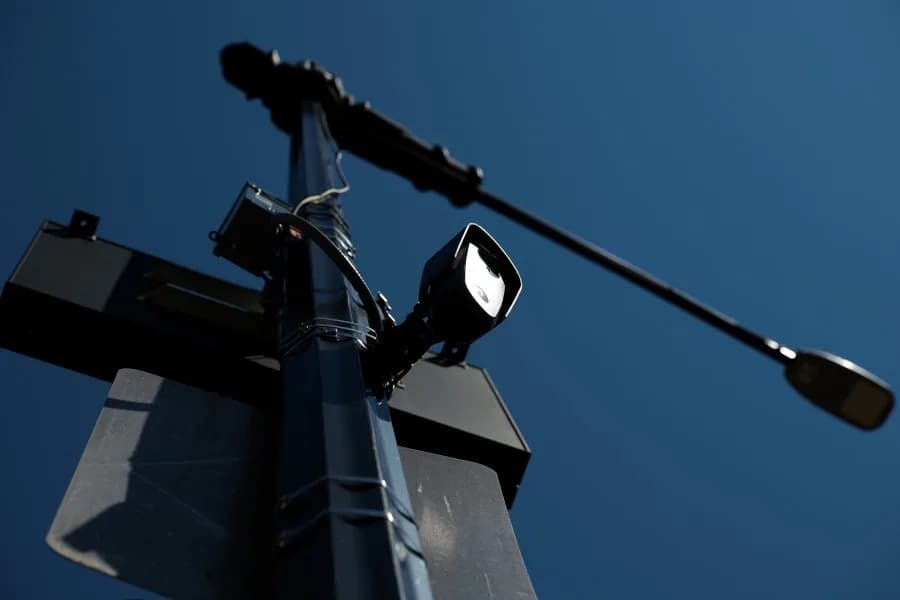
The Metropolitan Police Department’s license-plate reader (LPR) network — installed to help track suspects — was turned inward this summer, the DC Police Union says, when Internal Affairs used Flock Safety automated LPR data to monitor sworn officers under misconduct investigation without notifying them.
What the Union Says
The union disclosed the practice, which it says it discovered in July 2026, and filed a grievance arguing the searches violated MPD policy and Flock Safety’s user agreement. Under MPD’s LPR general order, queries require a "reasonable articulable suspicion" of criminal activity and must serve a legitimate law-enforcement purpose. The union contends that routine administrative misconduct inquiries meet neither test.
MPD Response And Case Status
MPD denied the grievance on August 25, 2026, saying the LPR use in the investigation was appropriate and moving the dispute to arbitration. The department also said it updated its LPR policy in April 2026 and conducts routine audits of Flock access. MPD issued a teletype the same day directing most officers to route Flock queries through the Real Time Crime Center (RTCC) while Internal Affairs retained direct access.
Policy, Privacy And Oversight Questions
Privacy advocates and local officials say the episode highlights a broader concern about surveillance "scope creep" — where technology deployed for one purpose is later used for others. Jake Laperruque of the Center for Democracy & Technology told The Washington Post that he had not seen a rank-and-file police union publicly call for rolling back surveillance powers, calling the union’s stance evidence of "strong enthusiasm against Flock" even within law enforcement ranks.
"Security and privacy are fundamental rights for our residents. We must always balance the dual duties of protecting public safety and safeguarding civil liberties," said D.C. Councilmember Brooke Pinto, chair of the Judiciary and Public Safety Committee, in announcing a formal inquiry.
Oversight Steps Underway
On September 14, 2026, Councilmember Pinto sent Interim Chief Jeffery Carroll a letter with 10 detailed questions about Flock data access, audit results, and whether MPD can justify continued use of the technology. Meanwhile, arbitration in the union grievance and the council’s oversight both represent pressure points that could reshape policy in D.C.
Broader Backlash Against Flock
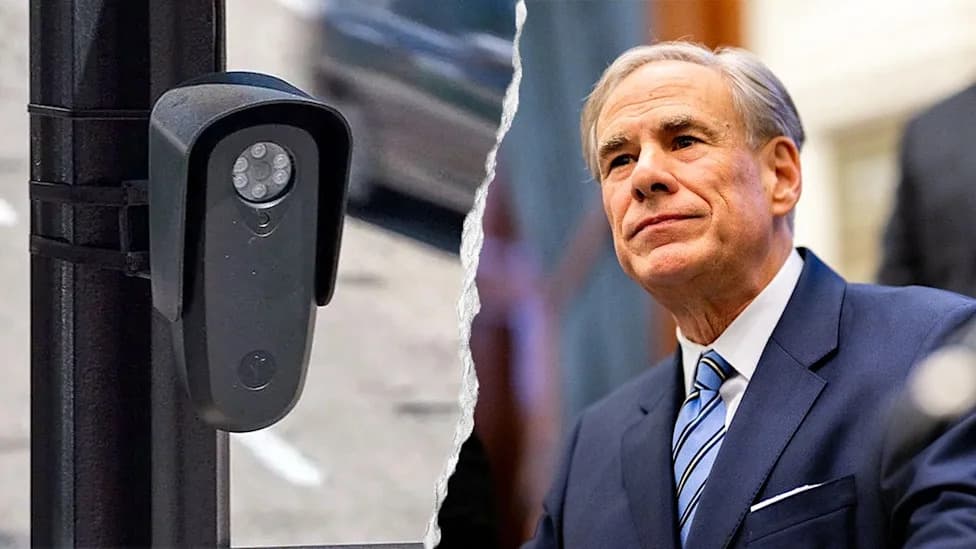
The MPD episode arrives as Flock Safety faces growing resistance nationwide. Advocacy group Secure Justice reported that more than 90 localities terminated Flock contracts in August 2026 alone and has tracked 214 municipal contract terminations since 2021. Several U.S. cities — including Austin, Cambridge, Evanston and Eugene — have ended contracts, and on August 27, 2026, Texas Governor Greg Abbott ordered state agencies to stop using state funds to buy Flock cameras.
Scope And Stakes
As of early 2026, MPD’s LPR network included 98 fixed and 68 mobile readers, 71 of which were Flock cameras. The department has already restricted thousands of outside officers from querying its database directly, requiring external agencies to submit formal requests instead. If arbitration finds the internal use improper or if Pinto’s committee advances ALPR legislation, Washington, D.C. could set a national precedent on how such surveillance tools are governed.
Bottom line: The controversy puts a spotlight on where accountability and transparency must catch up with rapidly adopted surveillance technologies — especially when they are used on those who operate them.
Help us improve.