Judge Sara Hill ruled that a Tulsa deputy violated the Fourth Amendment by searching Flock Safety’s license-plate database without a warrant and ordered evidence from the subsequent traffic stop suppressed. The opinion called long-term, indiscriminate location tracking via Flock "a type of indiscriminate mass surveillance," and distinguished the system from targeted searches addressed in Carpenter v. United States. The ruling has fueled bipartisan pushback—states are dropping Flock, and Senator Bernie Sanders introduced the Block Flock Act—while the company seeks a privacy-safety compromise amid contract losses.
Federal Judge: Warrantless Flock Safety Searches Are “Indiscriminate Mass Surveillance,” Suppresses Evidence
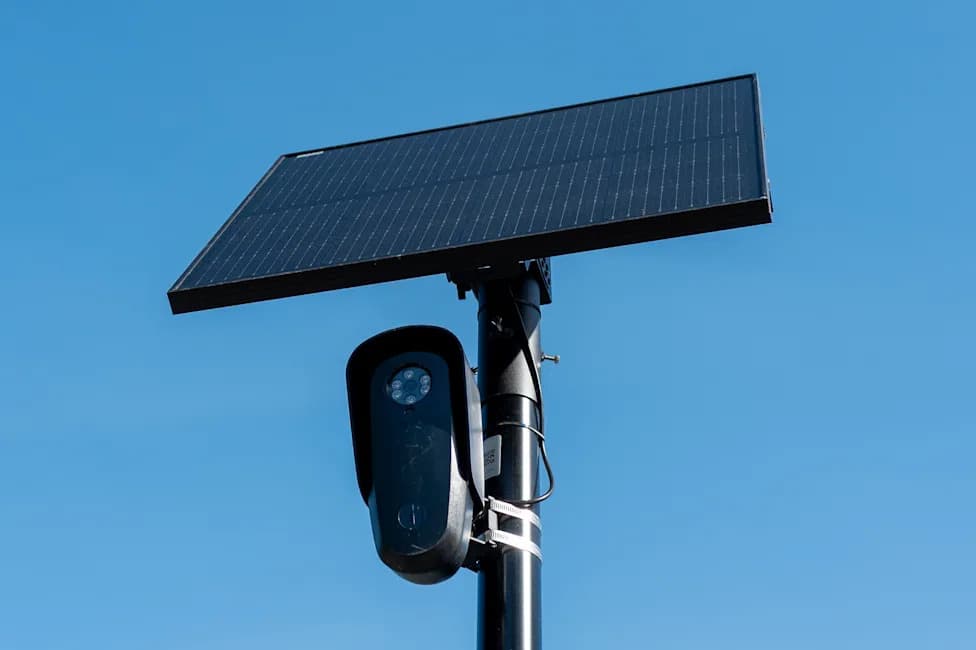
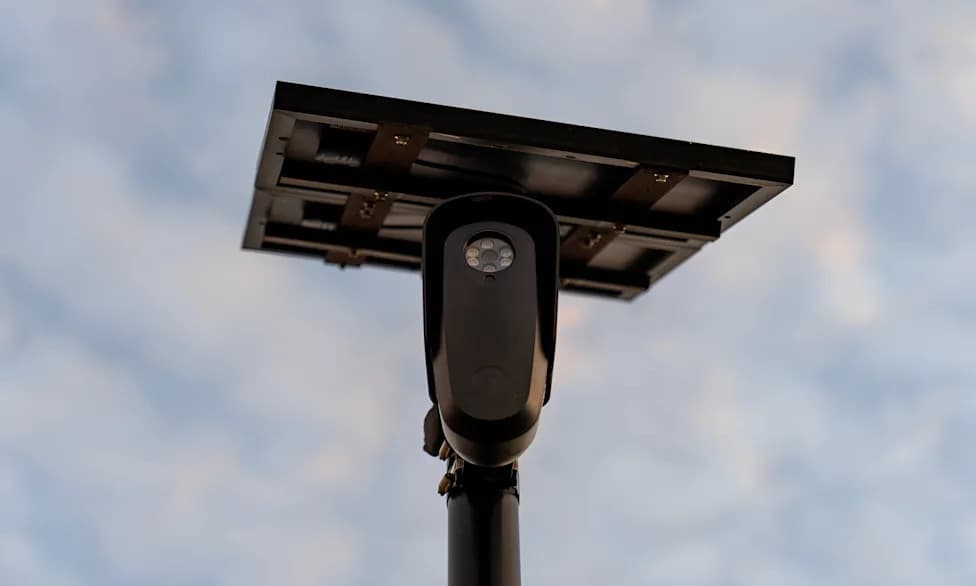
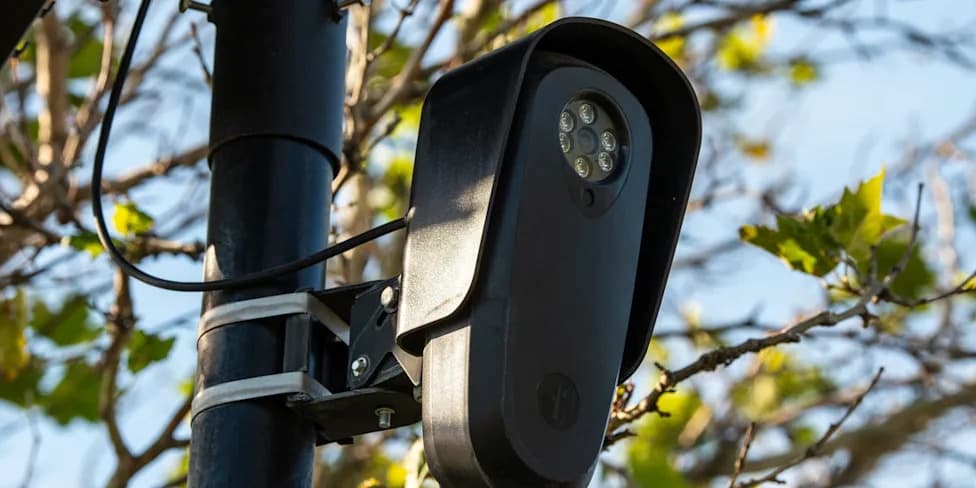
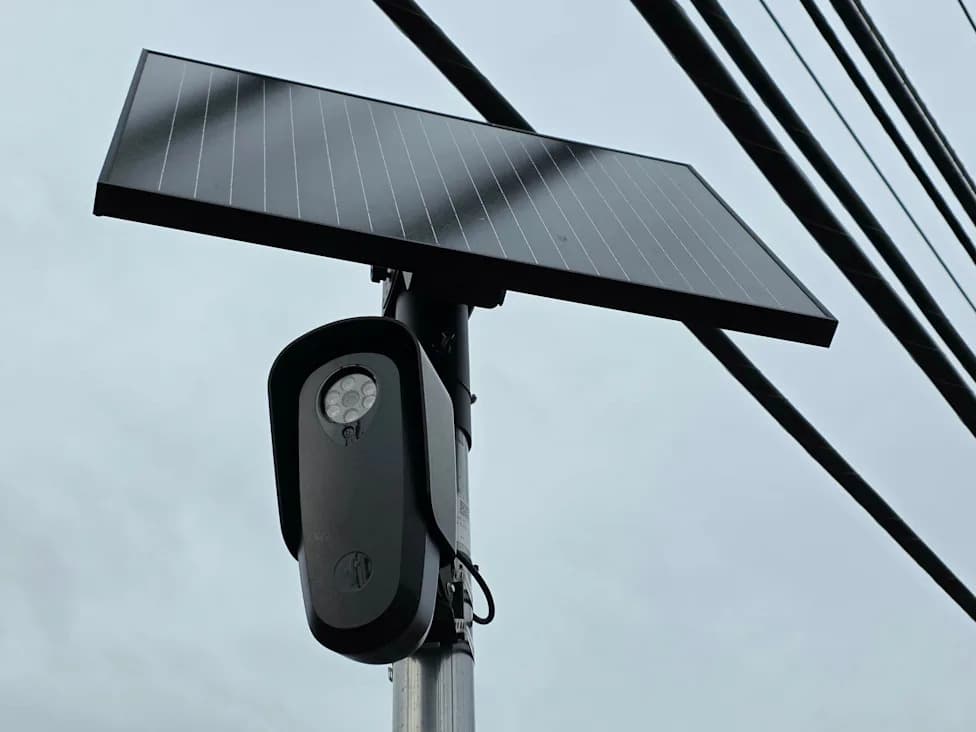
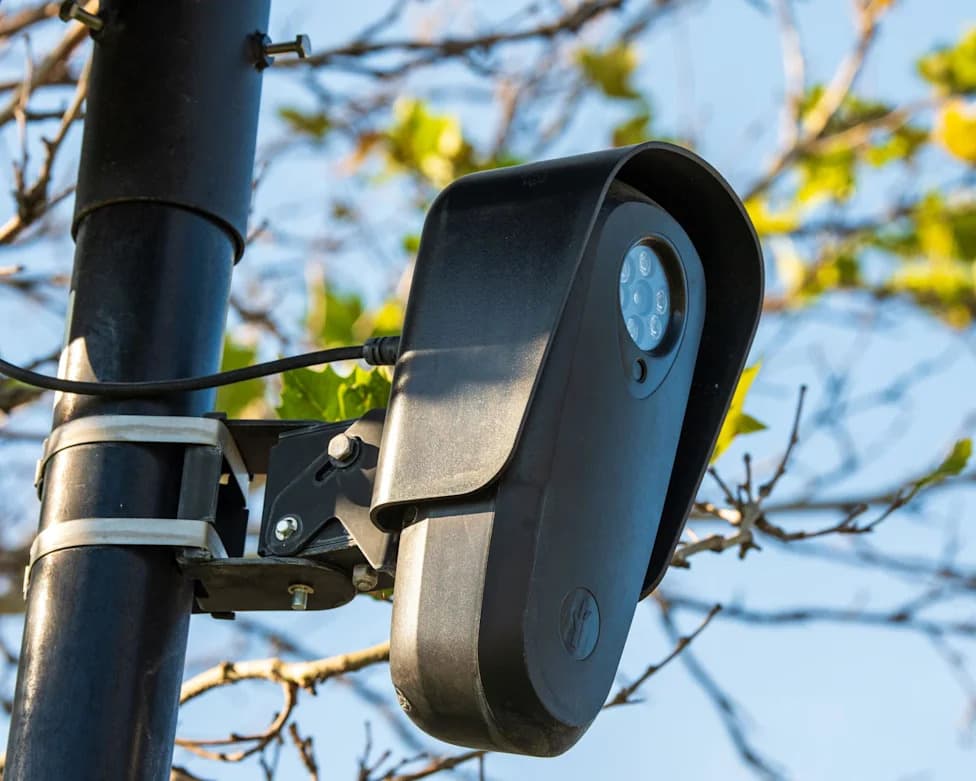
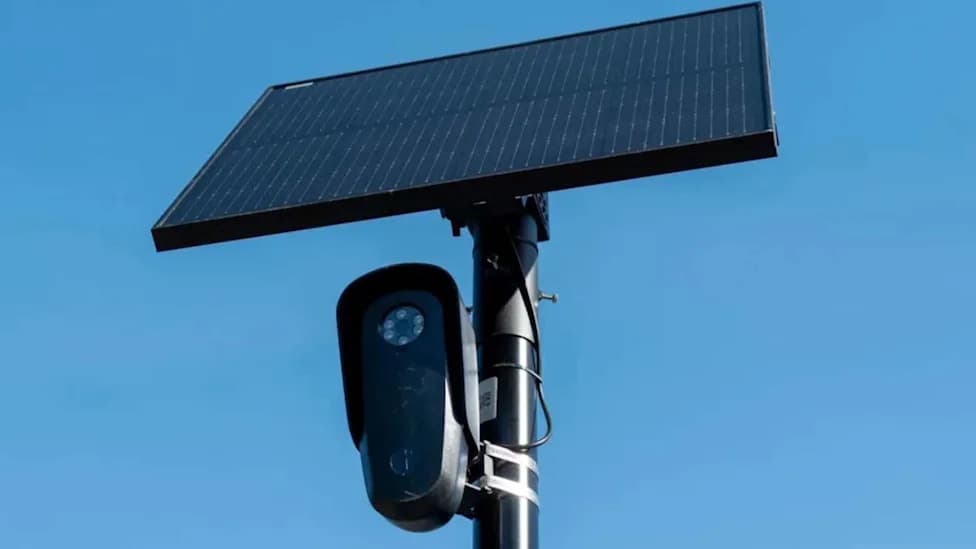
Flock license plate reader and camera with solar panel against a blue sky, Pleasant Hill, California, April 16, 2026. (Image: Smith Collection/Gado/Getty Images) | Image Credits:Smith Collection/Gado / Getty Images
A federal judge this week found that a Tulsa County sheriff’s deputy violated a woman’s Fourth Amendment rights by querying Flock Safety’s license-plate database without a warrant, then relying on that data to justify a search that allegedly turned up 91 pounds of methamphetamine.
Judge Sara Hill wrote that the deputy had "no apparent reason" for the search "other than the fact that [the woman's vehicle] had a California license plate," and ordered that all evidence obtained after the warrantless query "must be suppressed as the fruit of a poisonous tree."
“This is a type of indiscriminate mass surveillance,” Hill wrote, calling it constitutionally problematic when law enforcement can "indiscriminately and passively catalog your whereabouts over an extended period of time and then use that information for any purpose whenever convenient."
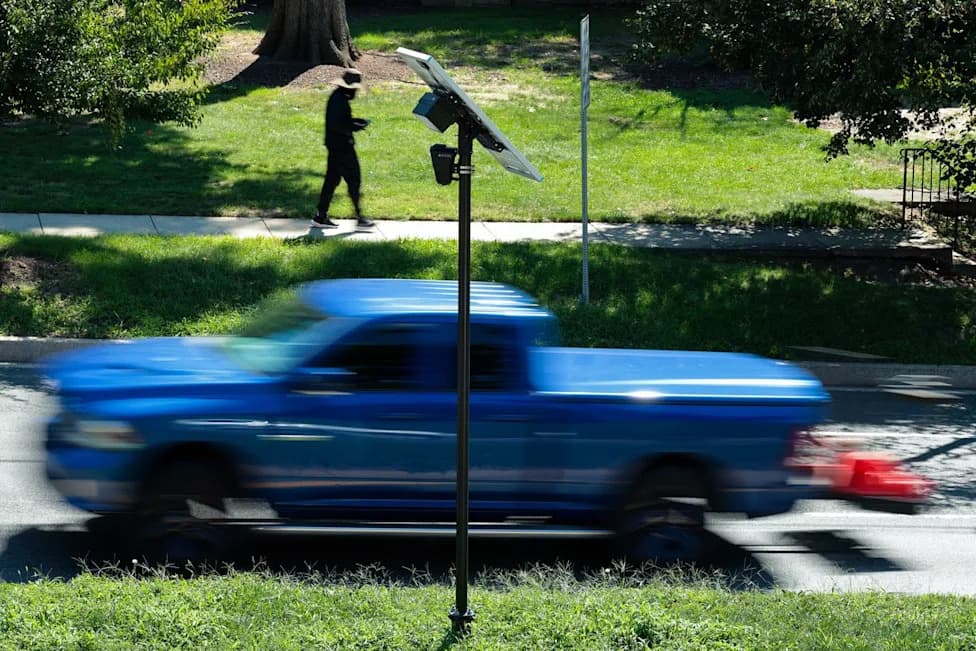
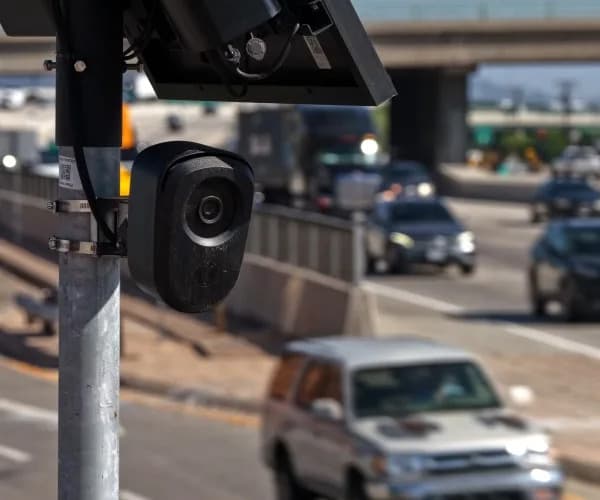
Hill contrasted Flock’s system with the targeted cellphone-location searches at issue in the Supreme Court’s Carpenter v. United States decision, noting that automated license-plate readers collect records on all vehicles that pass any networked camera and make that data available to law enforcement on demand.
Legal and Practical Implications
While the ruling—reported by 404 Media—does not create binding national precedent, it stands among the earliest federal decisions finding that a Flock search violated the Fourth Amendment. The suppression order means the government cannot use the evidence derived from the warrantless database query in the prosecution tied to the traffic stop.
Political and Industry Fallout
The ruling amplifies growing bipartisan concern about automated license-plate readers. Several local and state governments, including jurisdictions in Florida and Texas, have moved to stop using Flock’s technology. On the federal level, Senator Bernie Sanders (D‑Vt.) introduced the Block Flock Act, proposed legislation to bar federal agencies from using automated license-plate readers like Flock.
Flock Safety’s leadership has sought to respond: the company’s CEO has publicly urged a compromise between privacy and safety and issued an apology to women who say they were stalked by officers using the system. Facing contract cancellations, Flock has reportedly offered voluntary employee buyouts as it seeks to downsize.
Why It Matters
The decision spotlights a broader constitutional debate: how to protect privacy when location-tracking technologies collect comprehensive, long-term records in public spaces. Courts, legislators, and law enforcement agencies will likely continue to grapple with where to draw the line between investigative utility and mass surveillance.
Source: Reporting by 404 Media; court opinion by Judge Sara Hill.
Help us improve.