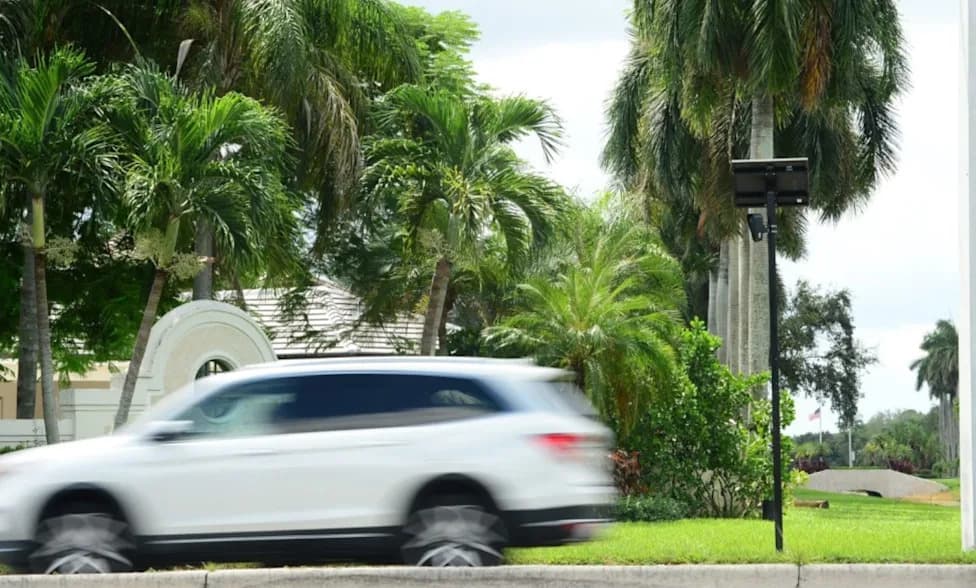
Records show NYPD officers queried Flock Safety’s license-plate database 1,710 times from March 2023 to December 2025 despite the department saying it has no contract with the company. Nearly 1,000 searches offered vague or no justification, and at least 131 entries listed the Queens District Attorney’s Office as the requester. Privacy groups are seeking NYPD audit logs, communications and policies to determine whether access was routed through another agency’s contract. Flock says it has added safeguards requiring a standardized offense type and will require case numbers for searches by year-end.
NYPD Queried Flock Safety License-Plate Database 1,710 Times Despite Saying No Contract
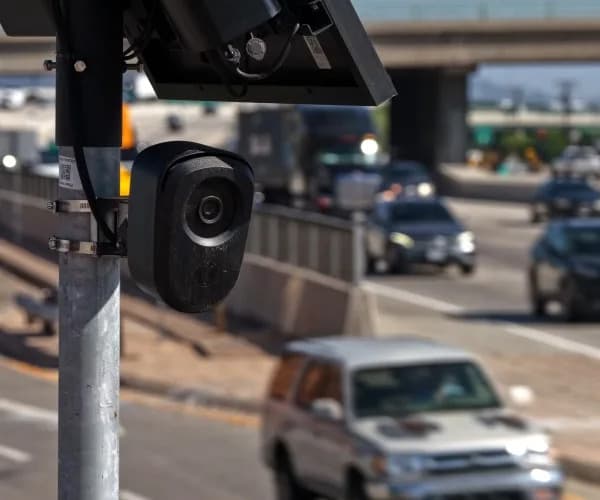
(Justin Sullivan/Getty Images)
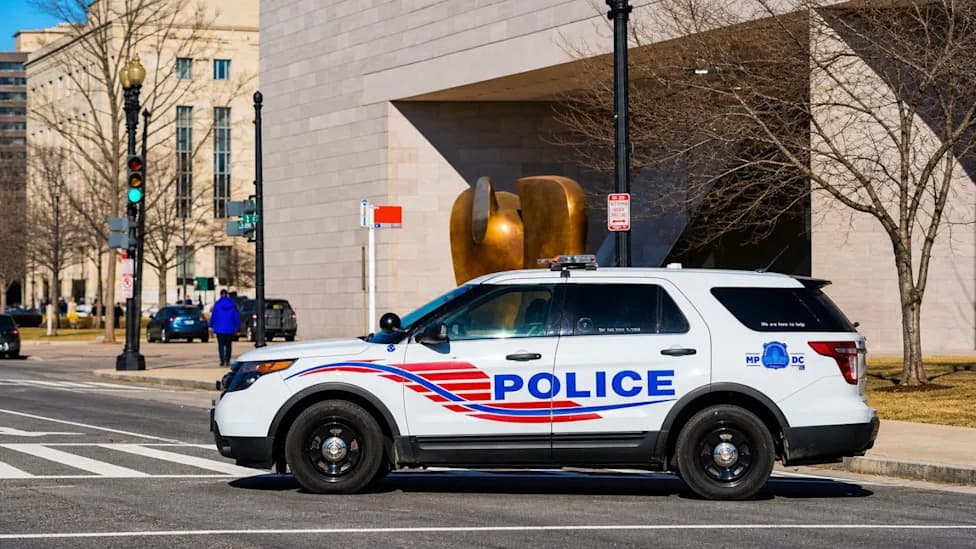
Records released to privacy groups show New York City Police Department officers queried Flock Safety’s automated license-plate reader (LPR) database 1,710 times between March 2023 and December 2025 — even though the NYPD says it does not have a contract with the company.
What the Records Show
The logs, obtained by the Surveillance Technology Oversight Project (STOP) and LatinoJustice and compiled on the Have I Been Flocked website, detail searches by NYPD personnel across nearly three years. The entries include the date and a short justification for each search.
Nearly 1,000 of those recorded searches provide no meaningful explanation or use vague justifications such as "investigation," "wanted person," or "inquiry." Many other entries list only numbers, license plates, or broad crime categories like homicide or burglary. At least 131 searches identified the Queens District Attorney’s Office as the requesting agency.
Access And Oversight Questions
Although the NYPD has stated it has no contract with Flock, the department acknowledged that a "limited number of authorized NYPD personnel can access a national commercial LPR data repository." Privacy groups are pressing the NYPD for audit logs, communications or agreements mentioning Flock, relevant training materials, and policies that govern database searches to determine whether access was obtained through another agency’s contract or arrangement.
How Flock’s System Works
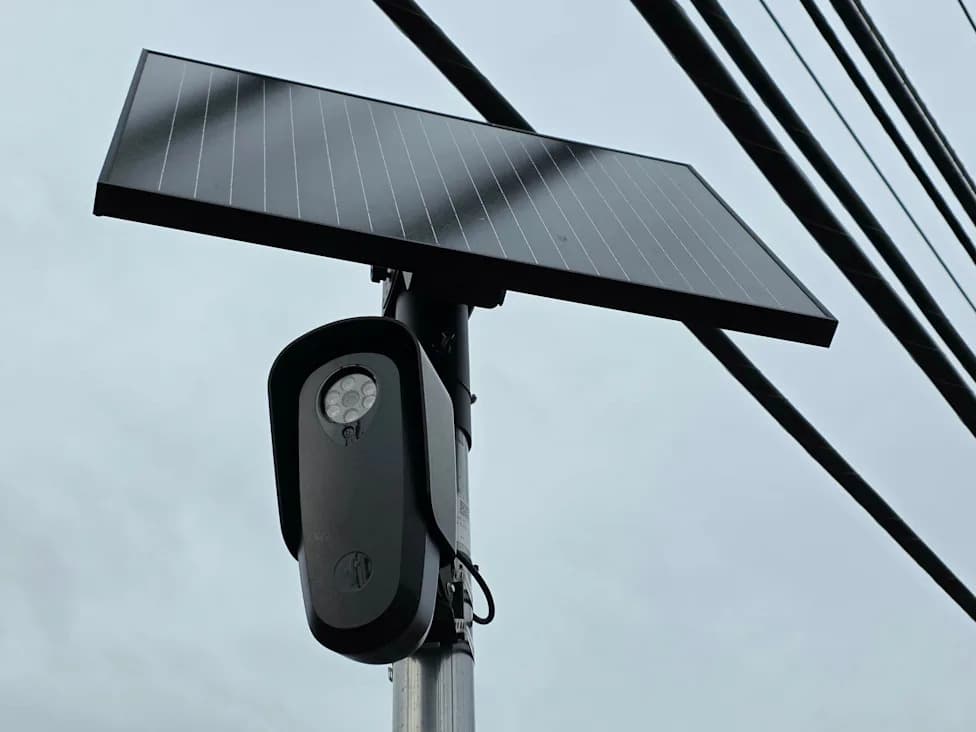
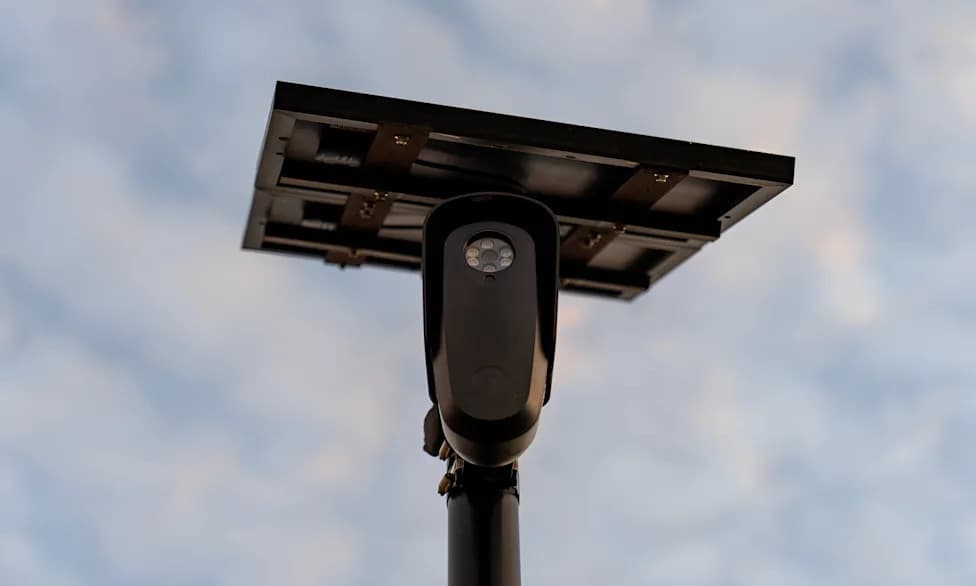
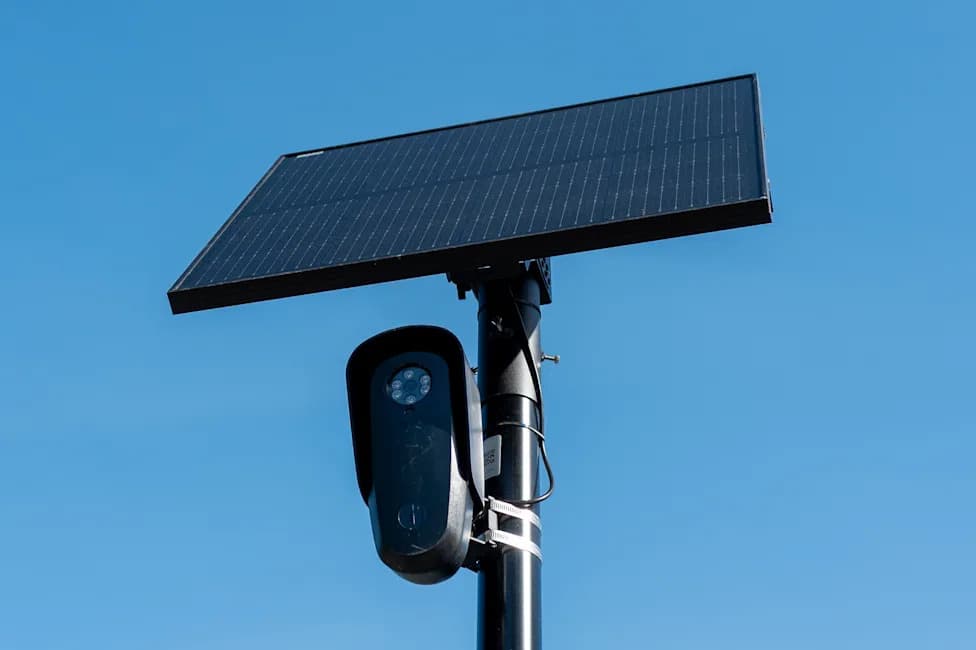
Flock Safety’s platform lets participating law-enforcement agencies search license-plate data captured by automated cameras deployed by the company or its partners. Data sharing is not automatic: an agency may opt to make camera data available to other law-enforcement bodies or join Flock’s network so authorized users can search a particular plate across participating cameras. Flock says every law-enforcement search must have a documented purpose and is automatically logged for review.
After scrutiny from lawmakers, Flock outlined additional safeguards: the company began requiring a standardized offense type for each search in December 2025 and said it will require a case number for every law-enforcement search by the end of the year.
Sen. Josh Hawley (R-Mo.) invited Flock CEO Garrett Langley to testify before a Senate Judiciary subcommittee; according to reporting, Langley declined the invitation.
Privacy and transparency advocates say the newly disclosed logs raise urgent questions about oversight, record-keeping, and whether existing rules sufficiently limit cross-agency or commercial access to sensitive location and vehicle-tracking data.
Help us improve.