Six weeks after July's floods, southwest Texas communities including Uvalde and Kerr Counties are still waiting for a major federal disaster declaration that would unlock FEMA funding for individuals and permanent public repairs. The state estimates damages at $489.7 million, while FEMA has approved only limited emergency work so far. Experts warn that prolonged delays—averaging about nine-and-a-half weeks under the current administration—compound risks for rural communities with limited resources.
Six Weeks After Devastating Floods, Southwest Texas Still Awaits Major Federal Aid
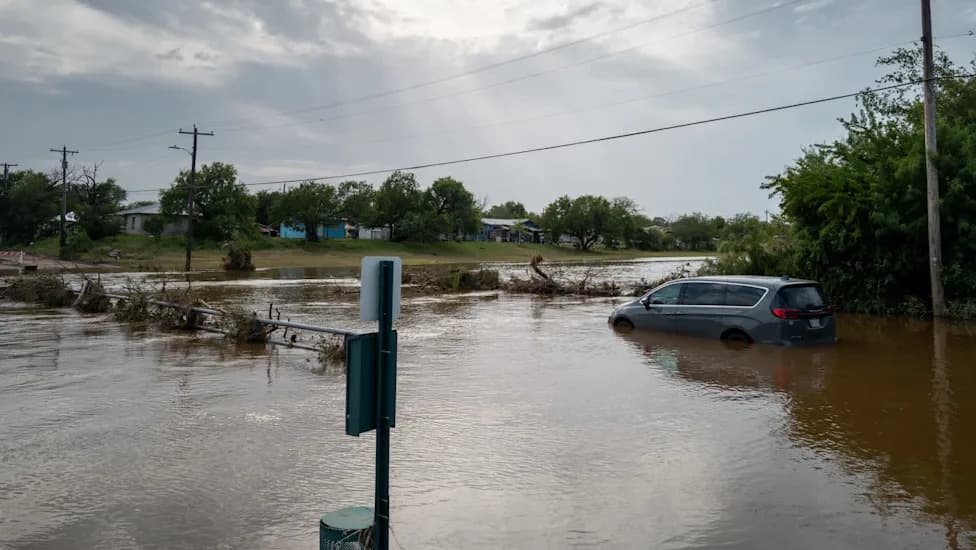
Photo Credit: Getty Images
Weeks after July's destructive floods, families and local leaders across southwest Texas say the federal disaster aid needed to rebuild homes, roads and bridges still has not arrived. While the White House approved a limited emergency funding package on July 18, the broader federal disaster declaration that unlocks Federal Emergency Management Agency (FEMA) support for individuals and long-term public repairs remains pending.
Local Impact and Urgent Needs
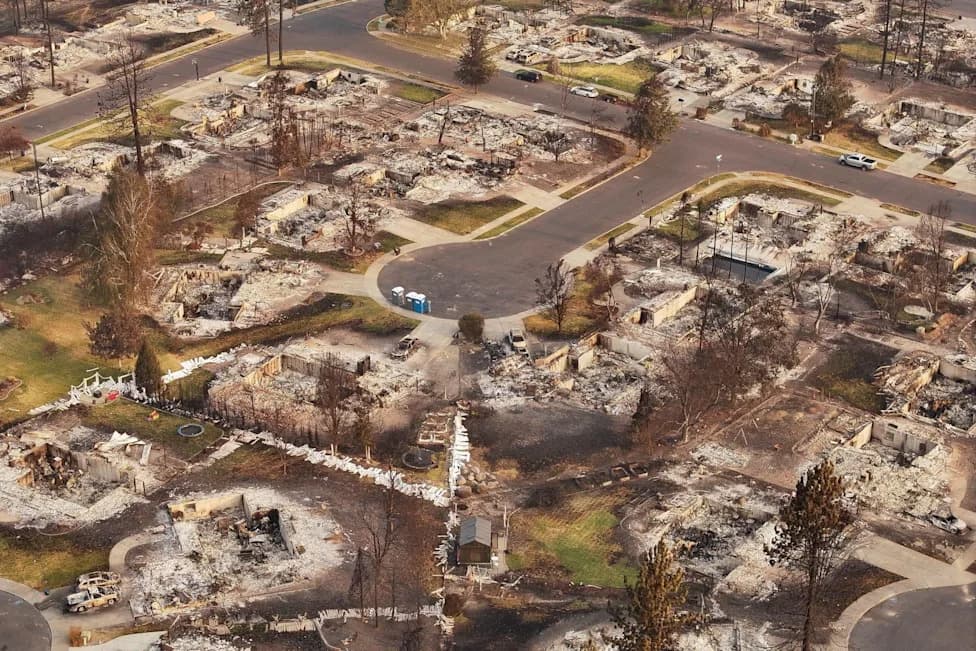
For counties such as Uvalde and Kerr, the delay is more than a procedural pause: it translates into unsafe housing, damaged infrastructure and growing pressure on already strained local budgets. State officials estimate total damages at $489.7 million, a figure well above what a narrow emergency declaration covers.
FEMA has authorized direct federal emergency work, such as immediate response and debris removal, but has not approved the larger funding categories that pay for permanent infrastructure repairs or direct assistance to households. That distinction matters: permanent repairs, housing assistance and public infrastructure reimbursement typically require a full major disaster declaration.
Voices From the Ground
Jerry W. Bates, Acting Uvalde County Judge: “That's what we're looking for: help.”
Todd Bock, Kerr Economic Development Corporation: “We're in desperate need of that federal aid in order to start what we call a full recovery.”
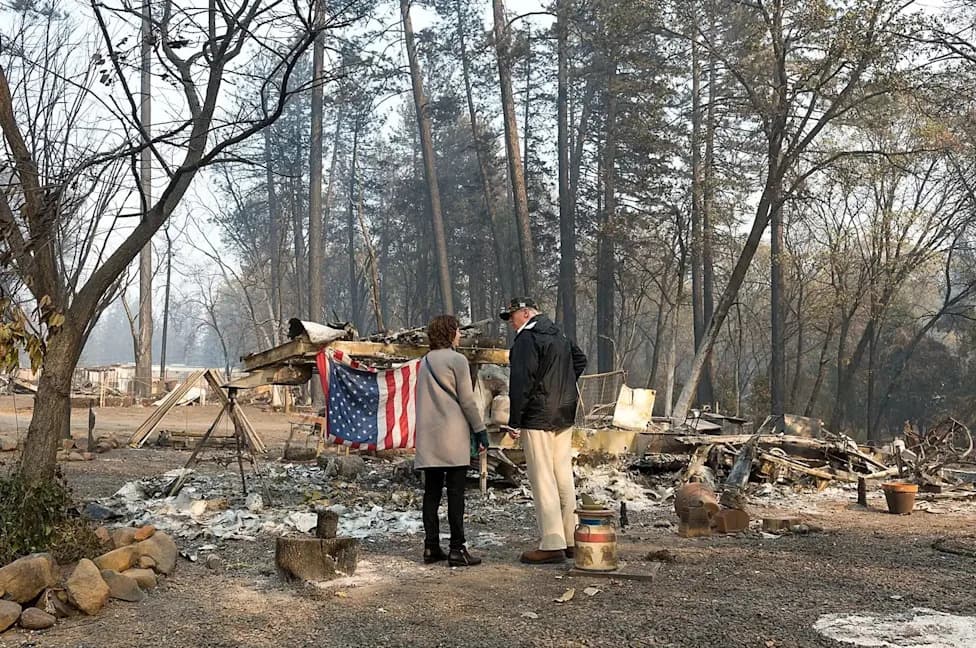
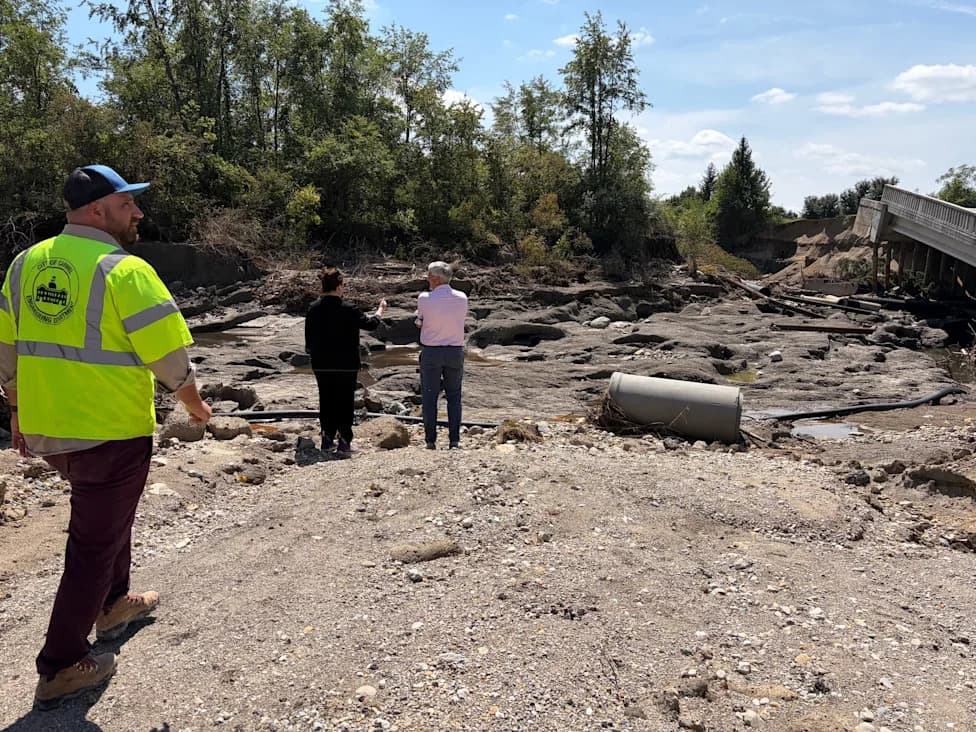
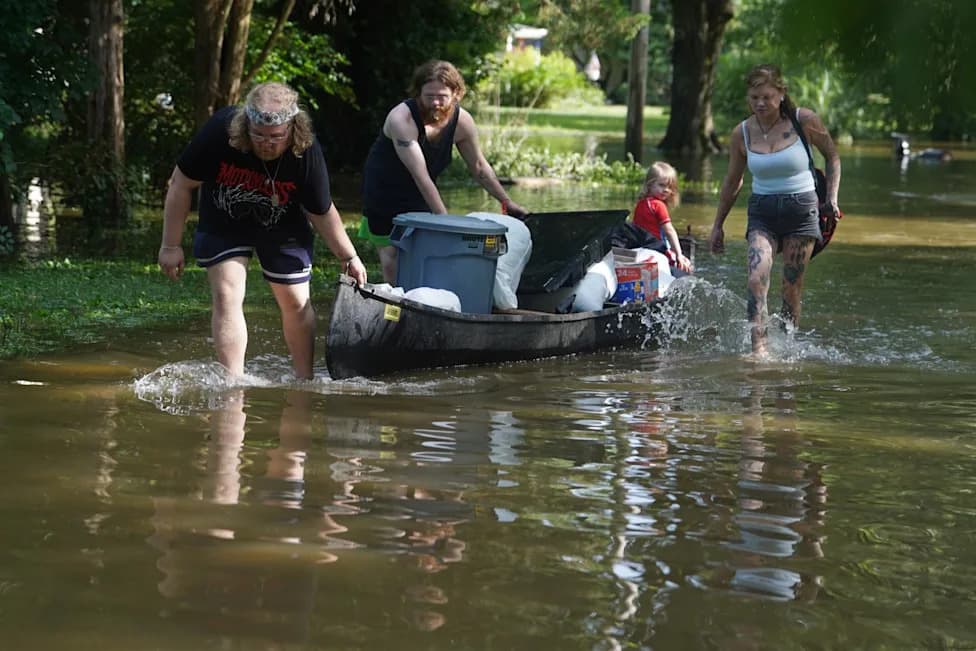
Local officials report immediate consequences: unsafe homes left partially repaired, bridges and roads damaged or washed out, and municipal budgets stretched by emergency spending without certainty of reimbursement.
Why Delays Matter
Research by Andrew Rumbach, a senior fellow at the Urban Institute, found that communities under the current administration have waited about nine-and-a-half weeks on average for a final decision on major federal disaster aid—roughly three times the average wait since 2000. Rural counties often face sharper recovery challenges because they have fewer resources, smaller labor markets and weaker tax bases. When federal assistance is delayed, residents may have to patch homes incrementally, replace vehicles themselves, or go without essential items needed for work and school.
Maddie Sloan, director of the Disaster Recovery and Fair Housing Project at Texas Appleseed, warned that without major FEMA assistance some families could remain in unsafe housing or be unable to replace a child's computer or tools needed for a job. Local governments are also left uncertain about reimbursement for debris removal and infrastructure repairs, which slows longer-term recovery planning.
Scale Of Damage And State Action
On July 30, Kerr County Commissioner Rich Paces reported that 384 homes were confirmed destroyed or heavily damaged and that nine of the county's 11 bridges sustained damage. Governor Greg Abbott requested federal assistance for dozens of counties in mid-July and later expanded requests for individual assistance; U.S. Senators Ted Cruz and John Cornyn also urged the president to approve a major disaster declaration.
The White House defended the pace of its review. A White House spokesperson said the president responds to disaster-funding requests “with great care and consideration” and that the administration conducts a thorough review. FEMA noted it must evaluate each request closely, weighing both damage and state and local capacity to respond.
Looking Ahead
Experts caution that expecting states and localities to shoulder more of the recovery burden without stronger support systems increases risk—especially as climate change makes heavy rainfall and extended fire seasons more likely. Delays in recovery today can leave communities more vulnerable when the next disaster strikes.
Hector R. Luevano, Uvalde Mayor: “It's FEMA's turn to act. We just kind of wait and see.”
Communities beyond Texas—including parts of North Carolina, Connecticut and Florida—have faced similar delays, underscoring a broader national challenge in ensuring timely disaster recovery.
Help us improve.