Calling climate disasters "unimaginable" is increasingly misleading. Decades of climate science and modeling anticipated many of the extreme heat waves, floods, and wildfires now striking communities worldwide. The U.S. recorded 403 billion-dollar weather and climate disasters from 1980–2024, with combined losses over $2.9 trillion; 2024 saw 27 such events. Rather than treat catastrophes as anomalies, governments and businesses should identify high-consequence risks, publish gaps, assign responsibility, and report progress so warnings lead to action.
Stop Calling Climate Disasters "Unimaginable" — We Knew They Were Coming
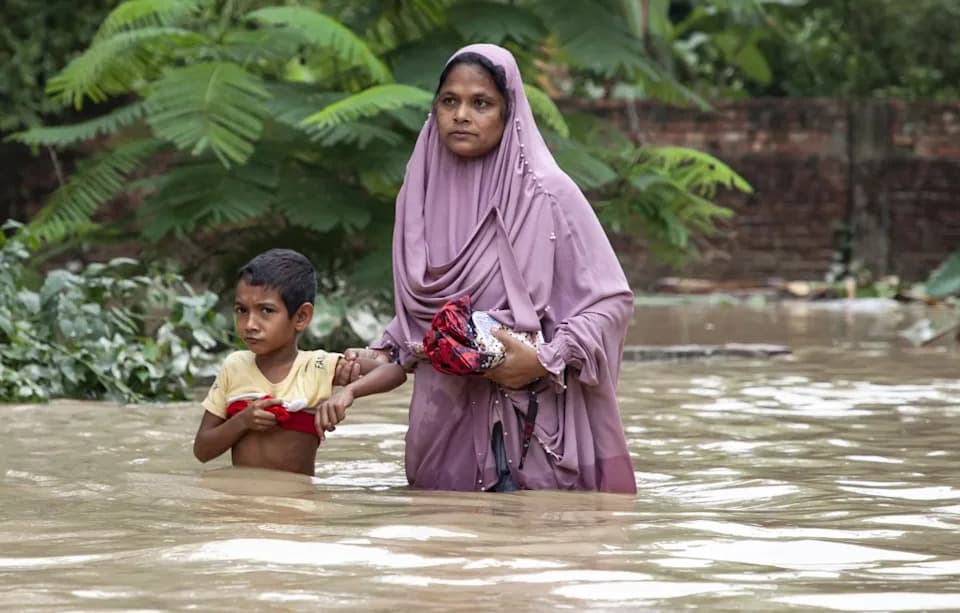
August 9, 2023, Chittagong, Bangladesh: Pedestrians walk through flooded roads in Satkania Upazila of South Chittagong, Bangladesh, in chest and waist level water.
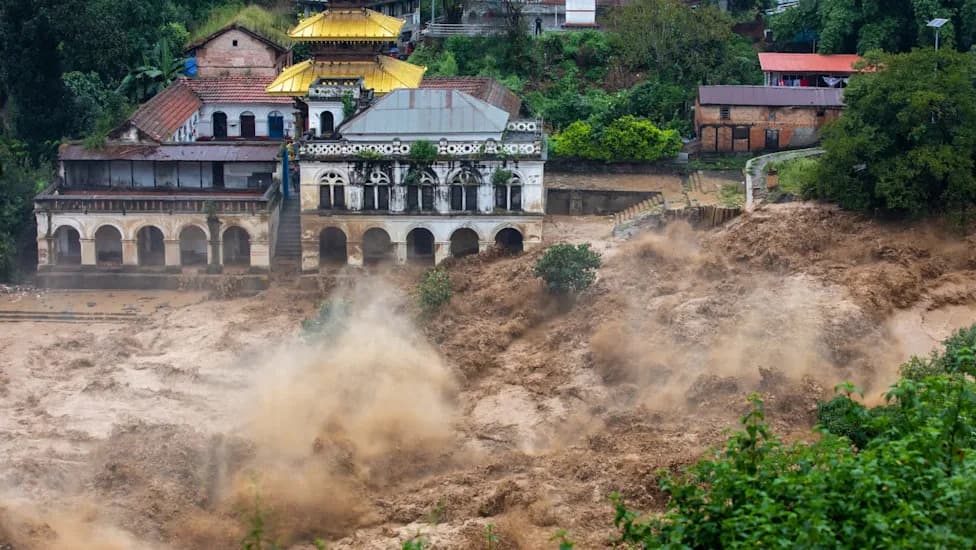
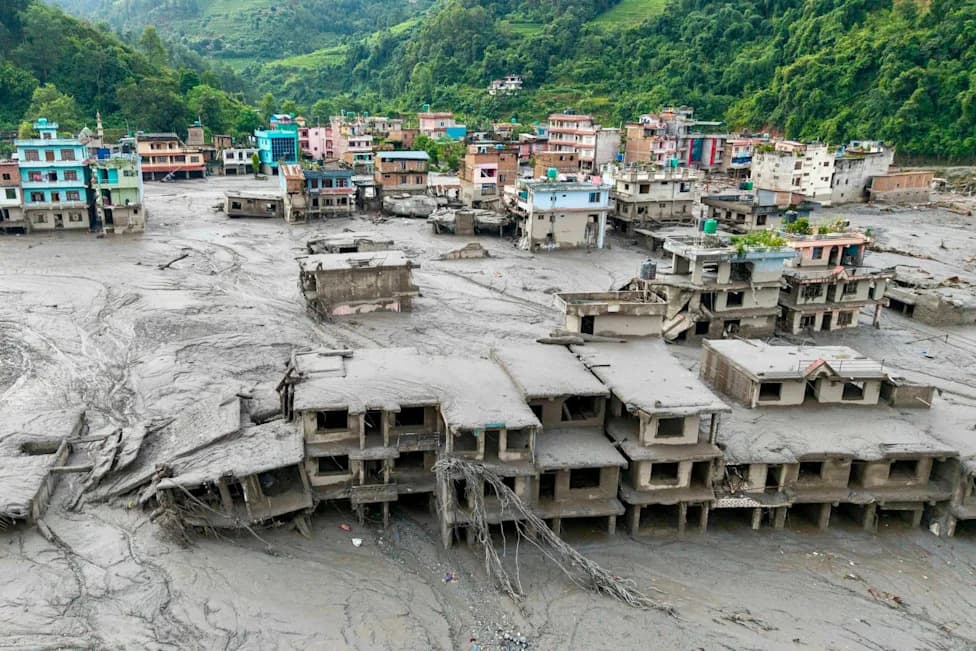
Every time a catastrophic flood, wildfire, or heat wave strikes, a familiar ritual follows: a hastily called press briefing in which an official stands at a podium and calls the event "unimaginable." That phrase should make us uncomfortable. To call a disaster "unimaginable" implies it could not reasonably have been foreseen — an increasingly untenable claim after decades of climate research and modeling.
What The Record Shows
Consider the U.S. record: between 1980 and 2024 the country experienced 403 separate weather and climate disasters, each causing at least $1 billion in damage. Their combined cost exceeded $2.9 trillion. In 2024 alone there were 27 such events — the second-highest annual total on record. These are not isolated anecdotes: communities around the world face more frequent and severe heat waves, floods, and wildfires, and the consequences often ripple across borders and economies.
Science Anticipated Many Of These Risks
Scientists did not simply stumble onto these trends; they predicted and modeled them. Syukuro Manabe’s pioneering work decades ago showed how rising carbon dioxide concentrations alter atmospheric temperatures — a foundation of modern climate modeling and one reason Manabe shared the 2021 Nobel Prize in Physics. Later researchers, including Noah Diffenbaugh and Martin Scherer, explored when exceptionally hot summers would become common as global temperatures rose. What once sounded like a distant warning now increasingly matches lived experience.
Why "Unimaginable" Is A Dangerous Word
"Unimaginable" suggests no one could reasonably have prepared.
When officials describe disasters as "historic," "unprecedented," or "unimaginable," the language can encourage exceptional thinking — as if each catastrophe exists separately from the shifting risk landscape scientists have documented for decades. The danger is that surprise becomes institutionalized. If every disaster is treated as unforeseeable, there is little incentive to review building codes, upgrade infrastructure, adapt land-use planning, or strengthen essential services before the next event arrives.
A Practical Alternative: Proactive, Measurable Preparedness
There is another path. Scientific knowledge can help anticipate where systems are vulnerable and guide investments that prevent loss of life and livelihood. Communities can reinforce infrastructure around risks that are no longer hypothetical. Businesses can incorporate physical climate exposure into long-term planning. Governments can design emergency plans based on conditions plausible tomorrow rather than assuming yesterday’s norms will persist.
Preparedness must also be measurable. Governments should identify their highest-consequence climate risks, publish the infrastructure and emergency-planning shortfalls those risks expose, assign responsibility for closing those gaps, and report progress publicly each year. Businesses should do the same for facilities, employees, and supply chains. A warning only becomes useful when someone is accountable for acting on it.
The Stakes Are Systemic
When rivers flood, families can lose homes and livelihoods. When heat intensifies, crops can fail and food prices can rise. When wildfires burn, smoke spreads far beyond the flames. Insurance markets, public budgets, supply chains, and businesses all absorb the fallout. Climate disasters rarely end where they begin.
Not Nature's Failure — Ours
Nature follows physical laws with remarkable consistency. The greater failure lies with institutions that possess credible evidence of changing risks yet continue to plan as if yesterday’s conditions will return. The next catastrophic flood, wildfire, or heat wave may still shock us — and human suffering should never become ordinary — but shock and surprise are not the same. We can be horrified by a disaster without pretending its underlying risk was impossible to foresee.
So when the next catastrophe is labeled "unimaginable," ask a harder question: What did we already know, and what did we do with that knowledge?
Gary Yohe is the Huffington Foundation Professor of Economics and Environmental Studies, Emeritus, at Wesleyan University. He has written for more than 40 years on climate economics, risk management, and the three broad responses to climate change: abate, adapt, or suffer. The views expressed here are his own.
Help us improve.