The sealed 15th-century mausoleum at Chan Chan in northern Peru was opened after roughly 600 years, revealing a near-intact Chimú funerary platform with rich grave goods and human remains. Archaeologists documented 38 sets of skeletons across the complex; the principal burial held one individual whose skull was stained red with cinnabar. The intact context and luxurious objects confirm the platform's association with Chimú elites and provide rare insights into pre-Columbian mortuary ritual and social organization.
Sealed for 600 Years: Chan Chan Tomb Yields Gold, Cinnabar-Stained Skull and Rare Elite Burials
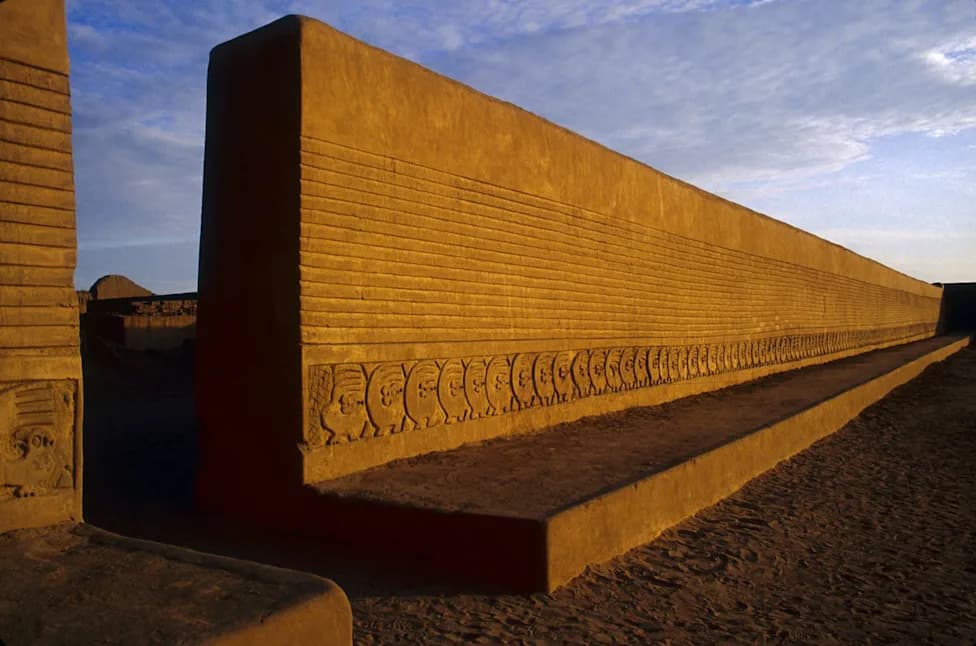
Archaeologists Found a Tomb With a Blood-Red Skulljulio donoso - Getty Images
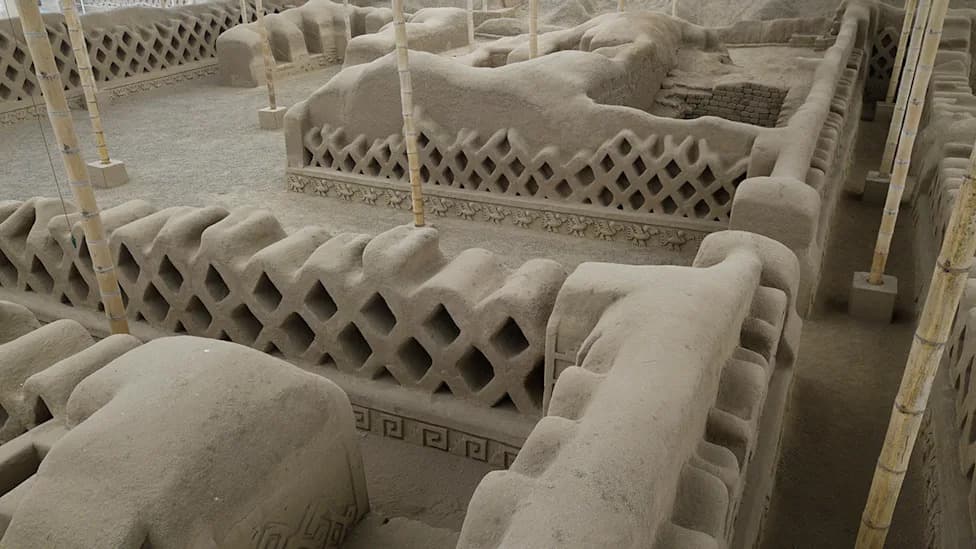
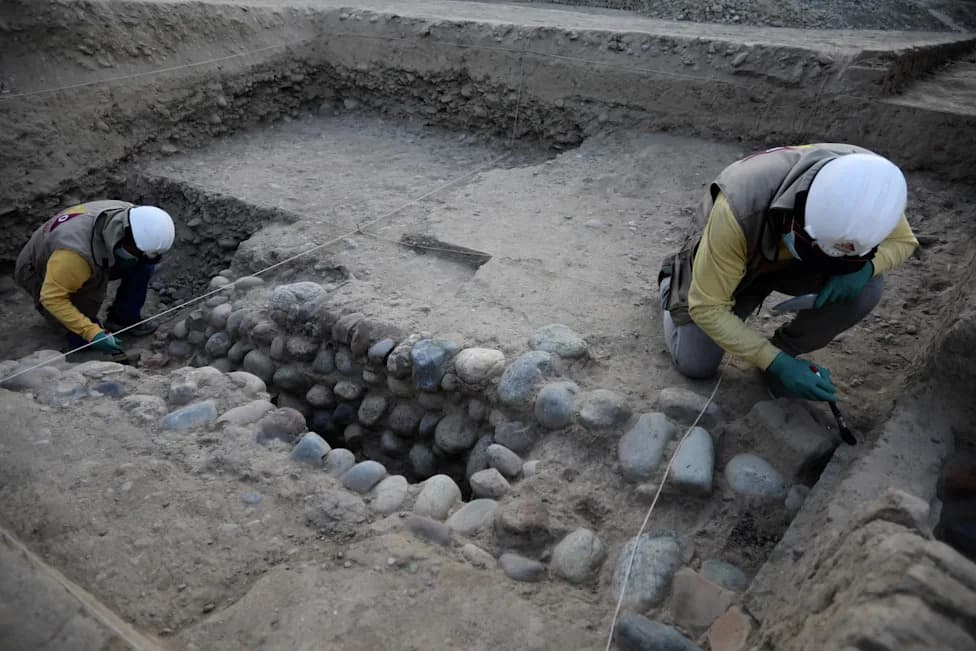
After more than a century of excavations at Chan Chan in northern Peru, archaeologists have opened a sealed mausoleum dating to the 15th century and uncovered a near-intact Chimú funerary platform packed with gold, textiles, weapons and human remains. The chamber, located within the Utzh An walled complex, had remained closed for roughly 600 years and escaped the looting that has affected many other burials at the UNESCO World Heritage site.
Investigators reached the central tomb by descending an eight-foot-long staircase into a main chamber about four feet wide that rises roughly 16 feet. Across the funerary complex the team documented 38 sets of human remains distributed between two side rooms adjacent to the central tomb and the larger funerary platform. The principal burial contained a single individual whose skull was stained a deep, blood-red color.
Peruvian Ministry of Culture archaeologist Henry Gayoso Rullier identified the red pigment as likely cinnabar (mercury sulfide), a substance widely used across the Central Andes on pottery, murals, warriors' bodies, sacrificial offerings and funerary masks. Some skeletons show signs of reburial and missing bones, consistent with regional mortuary customs in which descendants curated and venerated the bones of ancestors.
Luxurious Grave Goods and Intact Context
The sealed central chamber yielded an array of high-status grave goods: gold and copper objects, jewelry and beads, brightly colored textiles and metal weapons. Because the main platform remained unaltered, archaeologists have a rare, intact context that strengthens interpretations of social rank and ritual practice in late Chimú society.
Lead archaeologist Jorge Meneses described the find as an exceptional discovery for Peruvian archaeology, noting that it is among the first almost intact elite funerary platforms uncovered at Chan Chan in modern times.
Why This Matters
Chan Chan was the largest adobe city in pre-Columbian South America and served as the Chimú capital from about 900 C.E. until the late 1400s, when it fell under Inca influence. Each Chimú ruler likely built his own walled palace complex; many included funerary platforms similar to the one just excavated. The combination of an undisturbed burial context and rich grave goods offers a rare window into Chimú elite ritual life, social organization and mortuary practice.
Experts quoted by BBC, The Art Newspaper, The New York Times and the Smithsonian emphasize both the scientific value and cultural sensitivity of the find: the sealed platform allows researchers to study an intact assemblage of objects and human remains while working with Peru's cultural authorities to preserve and interpret a fragile heritage site.
Key facts: sealed 15th-century Chimú mausoleum; roughly 600 years unopened; 38 sets of remains recorded; principal burial with cinnabar-stained skull; gold, copper, textiles and weapons among the grave goods; central chamber reached via an eight-foot staircase into a four-foot-wide, 16-foot-tall space.
Help us improve.