Christopher Ruddy argues that the Federal Reserve — not the media — poses the more serious obstacle to Donald Trump's economic and political agenda. He points to studies of network bias and low public trust in the press, but emphasizes that Fed policy directly affects interest rates, debt service and consumer costs. Ruddy contends that tightening policy amid supply-driven energy shocks is counterproductive and that a lower short-term rate would have eased debt burdens and softened economic pain. He warns that persistent high rates could threaten housing and broader economic stability.
Ruddy: The Fed, Not The Media, Is Trump's Biggest Economic Threat
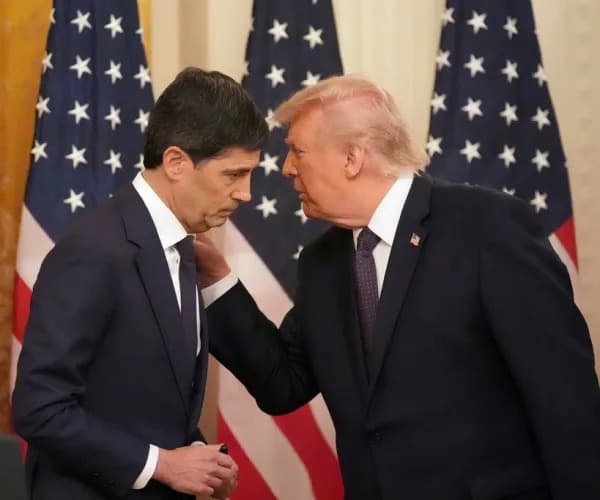
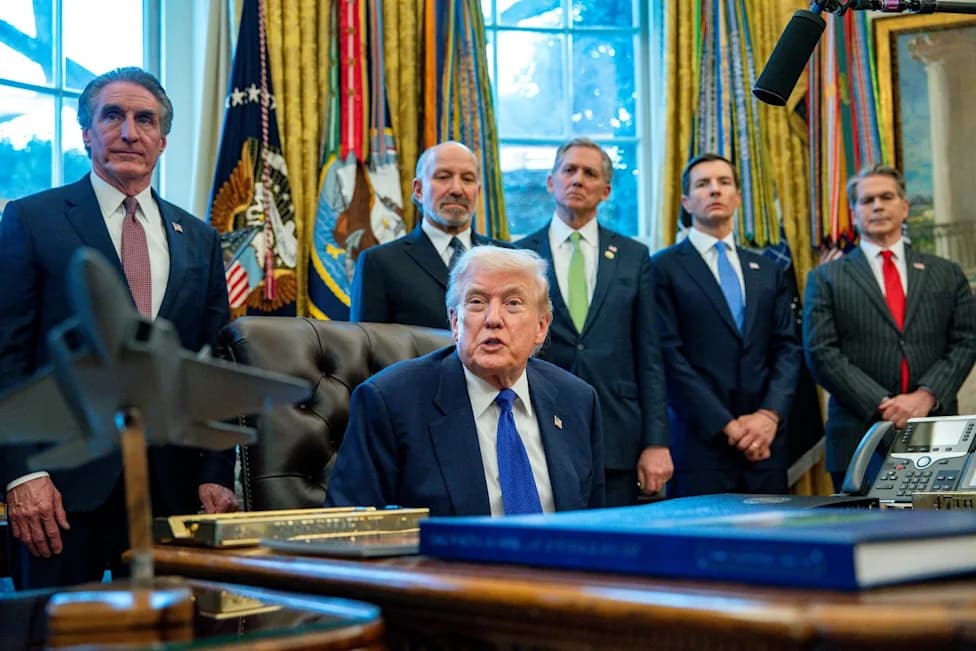
President Donald Trump, right, speaks with Federal Reserve Chairman Kevin Warsh during Warsh's swearing-in in the East Room of the White House, Friday, May 22, in Washington. (Alex Brandon/AP)
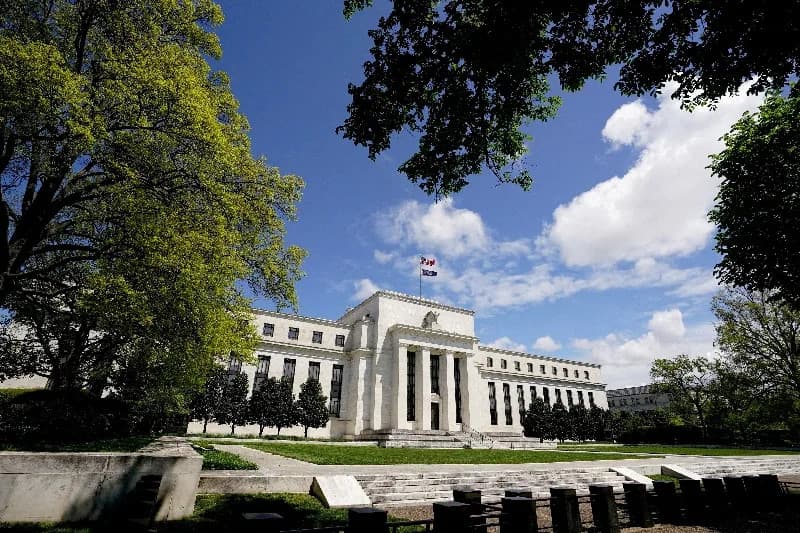
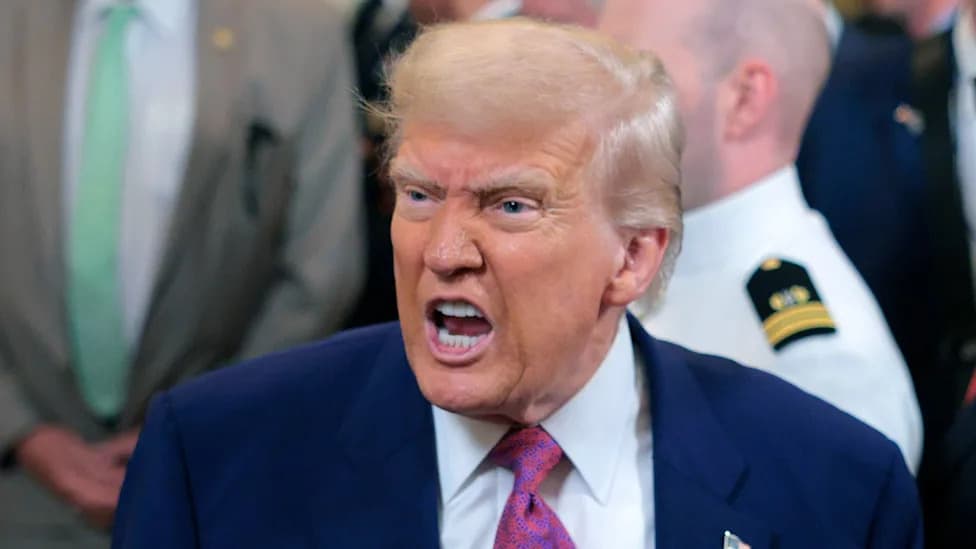
President Donald Trump's most consequential opponent, argues Christopher Ruddy, is not the mainstream media but the Federal Reserve. While media bias has mattered politically, Ruddy contends, monetary policy has a more direct and lasting effect on voters' wallets and on election outcomes.
Media Bias Versus Monetary Policy
Ruddy acknowledges that much of what Trump says about "fake news" and institutional bias has empirical support. A 2024 Media Research Center analysis of 660 network evening newscast stories (July 21–Oct. 25) found that 85% of evaluative coverage about Trump was negative, while 78% of evaluative coverage about Kamala Harris was positive. Public trust in news is low: Gallup reported that only 28% of Americans said they had confidence in news reports.
Why the Fed Matters More, According to Ruddy
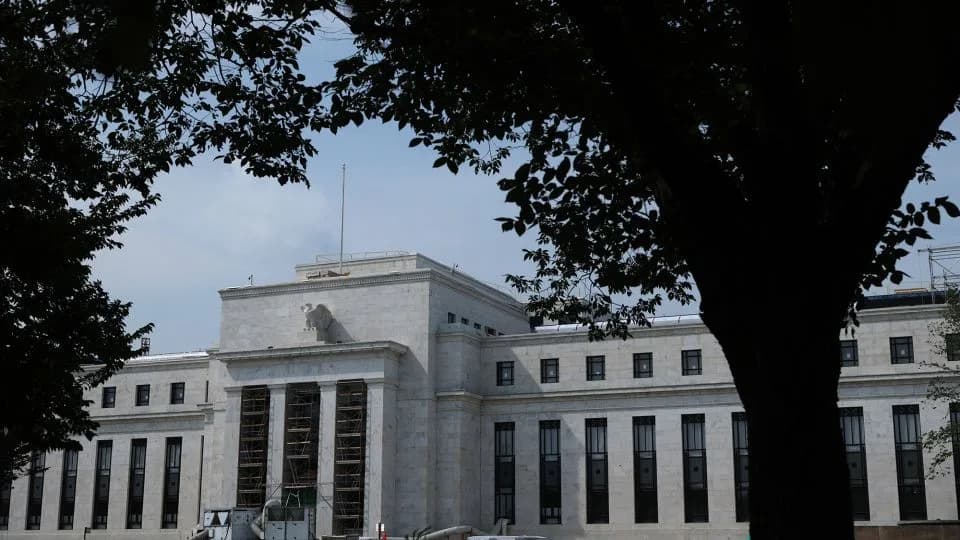
Beyond media narratives, Ruddy says the Federal Reserve controls the levers that most directly shape economic conditions — interest rates, credit costs and balance-sheet policy — and therefore exerts outsized influence on voters' everyday finances. He describes the Fed as an institutional check on Trump's agenda, citing policy choices made under Chairman Jerome Powell.
Policy Choices and Political Consequences
Ruddy recalls that during Trump's first term the economy posted strong GDP growth with limited inflation, yet the Fed raised short-term interest rates. He argues those rate increases, and later tightening under the Biden era, contributed to higher borrowing costs and eroded political momentum for Trump. Ruddy also contends that fiscal stimulus and other policies added substantial spending to the economy, which he says weakened the dollar's purchasing power.
Supply Shocks, Rates, and the Right Response
Ruddy points to the 2025 Iran-related disruption in the Strait of Hormuz as an example of a supply-driven energy shock that raised petroleum and natural-gas prices. He argues that such supply shocks are not cured by tighter monetary policy; raising rates in that context only increases costs for households and businesses. Instead, Ruddy advocates a lower short-term policy rate — he cites a hypothetical near-2% federal funds rate — to cushion the economy and reduce federal debt-service burdens.
Institutional Dynamics at the Fed
Trump's choice of Kevin Warsh to lead the Fed is described as an attempt to change monetary direction, but Ruddy notes that the Fed's policymaking body, the Federal Open Market Committee, includes multiple voters and remains influenced by Powell-era officials. That, he warns, makes wholesale change difficult and raises the risk that persistent high rates amid supply shocks could trigger severe strain in sectors such as housing.
What This Means for Voters and Elections
Ruddy's central claim is that the Fed — an unelected institution — can have a stronger, more immediate impact on economic outcomes and electoral prospects than media coverage. While the press shapes narratives, Fed policy affects mortgages, credit costs and job growth, and therefore can swing voter sentiment and electoral results.
Bottom line: Media noise matters, but monetary policy touches people’s wallets. If the Fed keeps policy too tight in the face of temporary, supply-driven shocks, it risks deepening economic pain and influencing electoral fortunes.
Christopher Ruddy is Chief Executive Officer of Newsmax Inc. The views expressed are his analysis and opinion.
Help us improve.