Two piranha-like fish were reported near Klau Dam in Raub, Pahang, generating viral attention and public concern. The Department of Fisheries has reviewed images and said the fish's features are consistent with the genus Pygocentrus but cannot confirm the species without a specimen. No additional confirmed catches were recorded up to 15 September, and experts say proof of breeding would require juveniles, eggs or repeated catches. Authorities are monitoring the area and working with e-commerce platforms to curb illegal sales of exotic fish.
Piranha-Like Fish Reported at Klau Dam Sparks Safety Warnings and Ecological Concern
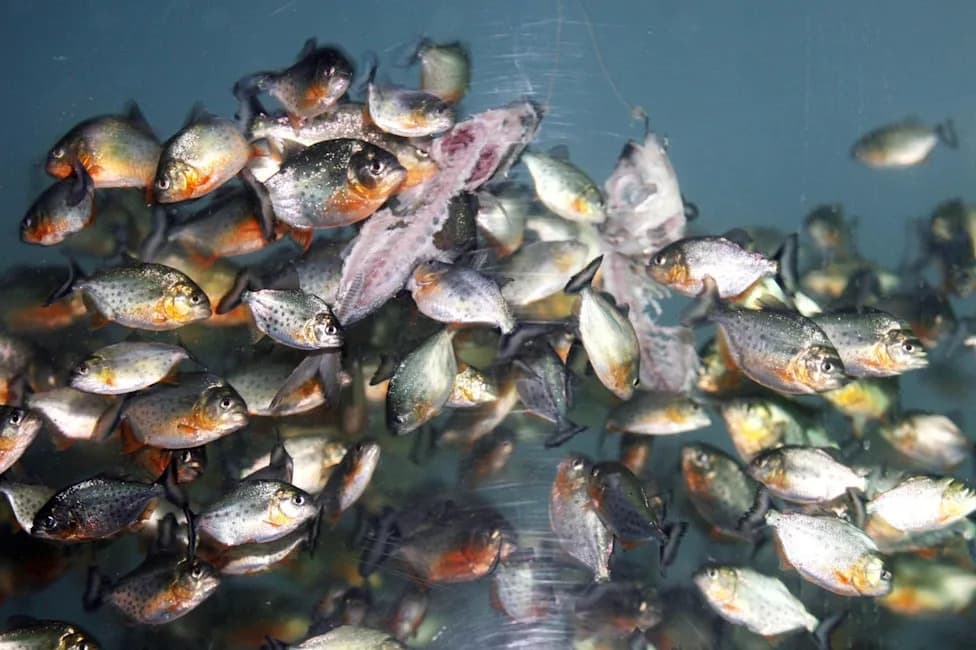
Piranha-like fish in Malaysia river lead to warnings for children and fears of ecological devastation
A fish resembling a red-bellied piranha has been reported twice near Klau Dam in Raub, Pahang, about 100 km north-east of Kuala Lumpur, prompting viral social media attention, child-safety warnings and renewed calls for tighter controls on exotic species.
What Happened
The first fish was reportedly caught by a local resident using a cast net on 26 August. Video and photos of that catch circulated on WhatsApp before going viral. The fish reportedly died and was discarded before investigators could examine it physically.
Official Response and Identification
On 17 September the Department of Fisheries said its Fisheries Research Institute in Glami Lemi, Negeri Sembilan, reviewed available images and video and found the fish's visible characteristics consistent with the genus Pygocentrus, which includes the red-bellied piranha (Pygocentrus nattereri). The department emphasised that a definitive identification requires a physical specimen.
Monitoring by the Pahang Fisheries Department up to 15 September recorded no further confirmed catches or safety incidents. On 19 September an angling group, Jejak Air Tawar, reported a second piranha-like fish caught beneath a bridge on the Klau river and identified it as Pygocentrus nattereri, but the fisheries department has not independently verified that report and the fate of the fish is unclear.
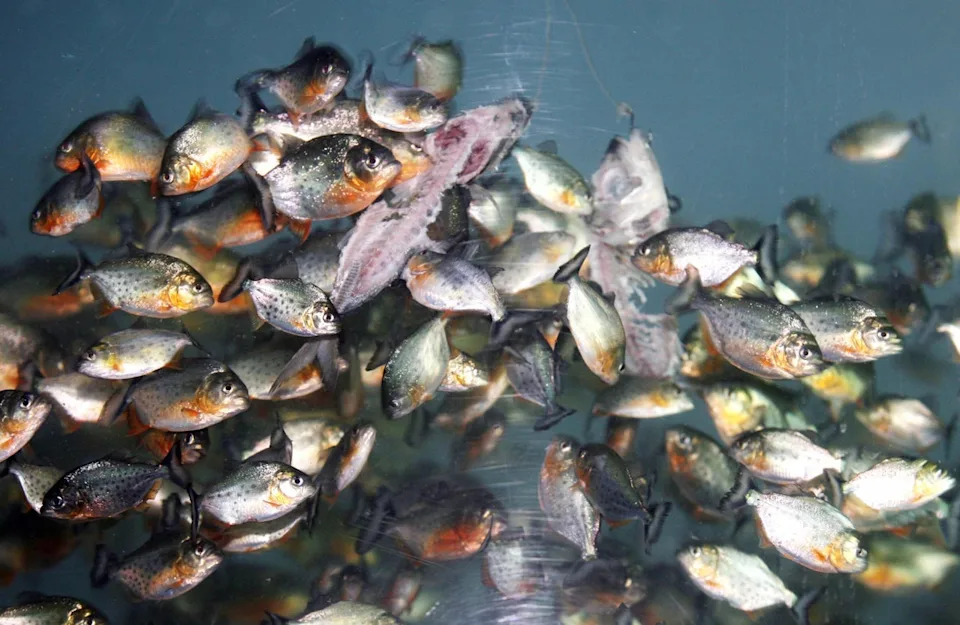
Piranhas eat fishes inside a tank at the Sea World amusement park in Jakarta (AFP/Getty)
Ecological Risks and Expert Advice
Experts caution that Malaysia's warm, tropical freshwater could allow an individual red-bellied piranha to survive if released, but survival alone does not prove an established population. Dr Intan told the Straits Times that "Evidence such as juveniles, eggs, mature pairs, or repeated catches of varying sizes over time would be required to prove the fish is actively reproducing."
"An established population could put pressure on native fish, compete with native predators for food, disrupt food webs, damage spawning habitats and potentially introduce foreign parasites or pathogens," warned Dr Intan.
The fisheries department noted the animal in the video more closely resembled a piranha than a pacu, a related species often mistaken for piranhas; pacu are also non-native but generally have different teeth and a less predatory reputation.
Ongoing Measures
Authorities will continue monitoring Klau Dam and nearby waterways. The Department of Fisheries has begun talks with e-commerce platforms to curb illegal sales of prohibited exotic species and is maintaining inspections of ornamental fish traders nationwide.
Legal Note: Piranhas are a prohibited species in Malaysia. Illegal possession or sale can lead to fines of up to 100,000 ringgit (about £17,000).
Photo Context: Piranhas feeding inside a tank at the Sea World amusement park in Jakarta (AFP/Getty).
Help us improve.