A California whistleblower lawsuit alleges Driscoll's shipped millions of berry trays to Canada with pesticide residues above Canadian limits between 2022 and 2024. Former compliance lead David Harada claims the company estimated about half of shipments exceeded maximum residue limits and that he faced retaliation after raising concerns. The CFIA detected residues of bifenthrin, iprodione and captan; some probes closed without recall while others prompted corrective actions. Driscoll's denies the allegations and says it acted appropriately.
Whistleblower Alleges Millions Of Driscoll's Berry Trays Shipped To Canada Exceeded Pesticide Limits — Company Denies Claims
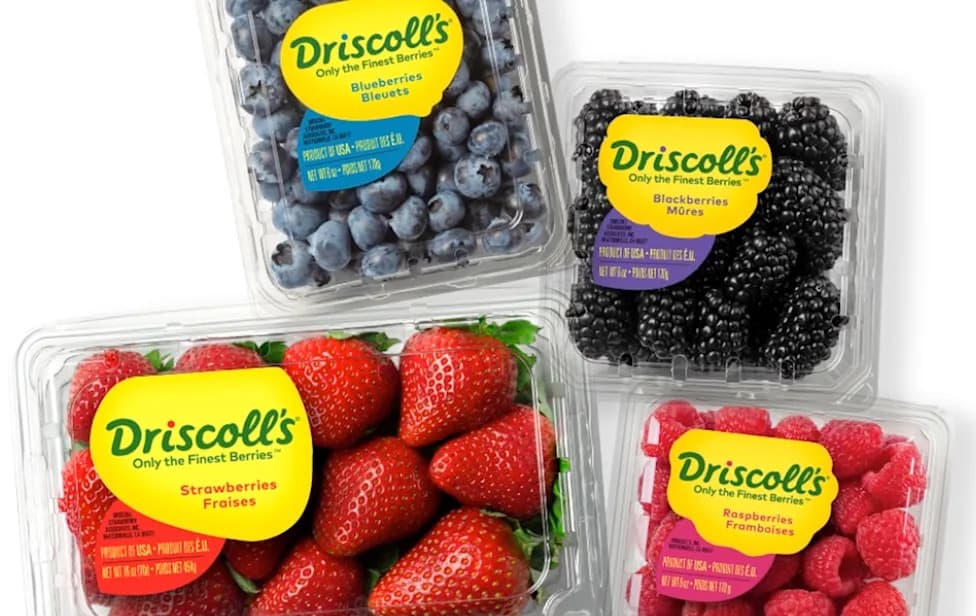
Photo Credit: Driscoll's
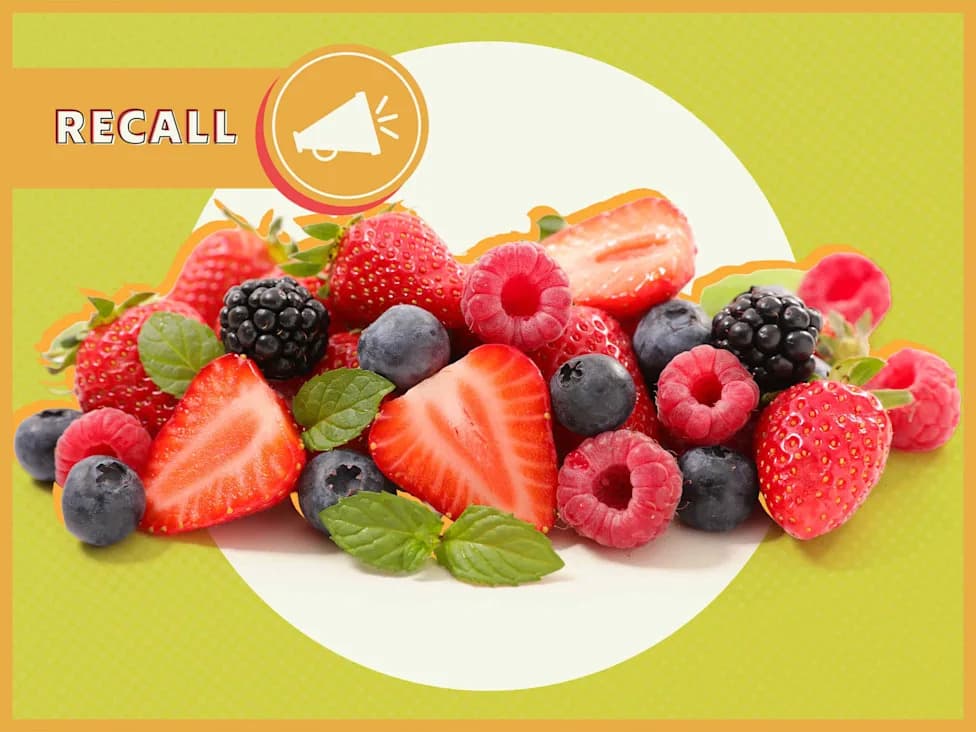
A California whistleblower lawsuit has accused Driscoll's, a well-known berry brand sold across North America, of shipping millions of berry trays to Canada with pesticide residues above Canadian legal limits between 2022 and 2024. The complaint, and reporting by CBC News, centers on claims from a former company compliance lead who says internal estimates showed widespread exceedances and that he faced retaliation after raising concerns.
What The Lawsuit Says
David Harada, who previously oversaw food safety and regulatory compliance for Driscoll's in the U.S. and Canada, says the company estimated that roughly half of shipments to Canada during 2022–2024 exceeded Canada’s maximum residue limits (MRLs). Harada is suing for unlawful retaliation, alleging he suffered consequences after reporting his findings internally.
"And it's something where you start seeing it so regularly and you know that something's not right that you have to speak up," Harada said.
CFIA Testing And Investigations
The Canadian Food Inspection Agency (CFIA) reported testing on Driscoll's berries sold in Canada from 2022 through 2024 detected residues above legal maximums for several chemicals, including bifenthrin, iprodione and captan. The CFIA said that some investigation files closed without recalls while others were resolved after corrective actions by suppliers or producers. The agency also said some investigations were prompted by consumer reports of a chemical taste or smell and by suspected illnesses, although those illnesses were not conclusively linked to the fruit.
Allegations About Internal Practices
Harada's complaint alleges that Driscoll's removed a Canadian food safety and compliance tracking program in 2022, a system the lawsuit says was designed to preserve a buffer between pesticide application and harvest so residues could decline before shipping. Harada contends that eliminating that program increased the risk that fruit failing Canadian limits would still be marketed in Canada. He has also said he believes some internal choices amounted to a coverup because the company did not disclose the information publicly.
"I completely believe that I was part of a coverup because they chose not to disclose this information publicly," Harada said.
Company Response
Driscoll's has denied the allegations. The company told CBC News it remains confident the factual record will show it "responded correctly to the concerns Mr. Harada raised, at all times acted in good faith, and at all times conducted itself appropriately." Driscoll's also said it rejected the claim that it removed the tracking system and that it has never knowingly shipped products it considered unsafe.
Expert Views And Public Health Context
Independent experts quoted by CBC said a single exceedance of an MRL does not automatically indicate an immediate consumer health risk, but repeated or systematic exceedances deserve close scrutiny. Stéphane Bayen, an associate professor of food science and agricultural chemistry at McGill University, noted that occasional exceedances may not equal a health emergency but should not become routine.
"Exceedance one time of the maximum residue limit might not be translated as a risk for the health of consumers. That's where the discussion needs to happen and to make sure that this is not becoming a regular thing," Bayen said.
Montreal toxicologist Daniel Green emphasized that the primary concern is cumulative exposure from repeated consumption over a lifetime rather than the effect of a single handful of berries. Regulatory responses typically depend on the assessed severity of the potential health threat; recalls are issued only when Health Canada determines an unacceptable risk exists.
Broader Questions
The suit and CFIA findings feed wider debates about pesticide use on produce, monitoring and regulatory enforcement. Consumer groups and researchers have reported residue findings on various fruits and vegetables, prompting calls in some jurisdictions for tighter rules or restrictions on specific pesticides. Research has also highlighted that routine washing does not always remove all residues.
Next Steps
The lawsuit will proceed through the California courts while the CFIA may continue investigations and follow-up inspections as warranted. Driscoll's maintains its position that it acted appropriately and in good faith. Harada says speaking up has come at a personal cost but believes it was necessary for consumer safety.
Help us improve.