New GS1 US polling finds 94% of Americans are concerned about the frequency of food recalls while confidence that recalls protect public health dropped to 80%. High-profile outbreaks this summer—Salmonella linked to jalapeño peppers (431 illnesses, 57 hospitalizations) and Cyclospora tied to iceberg lettuce (11,458 illnesses, 495 hospitalizations, two deaths)—have prompted many consumers to avoid entire food categories or hesitate to repurchase recalled brands. Trace One data show recalls rose 21.4% from 2021 to 2025, with allergen contamination the leading cause. Still, only 9% say they would never return to a recalled brand.
Food Recalls Are Reshaping What Americans Buy — Survey Shows Rising Concern and Behavioral Shifts
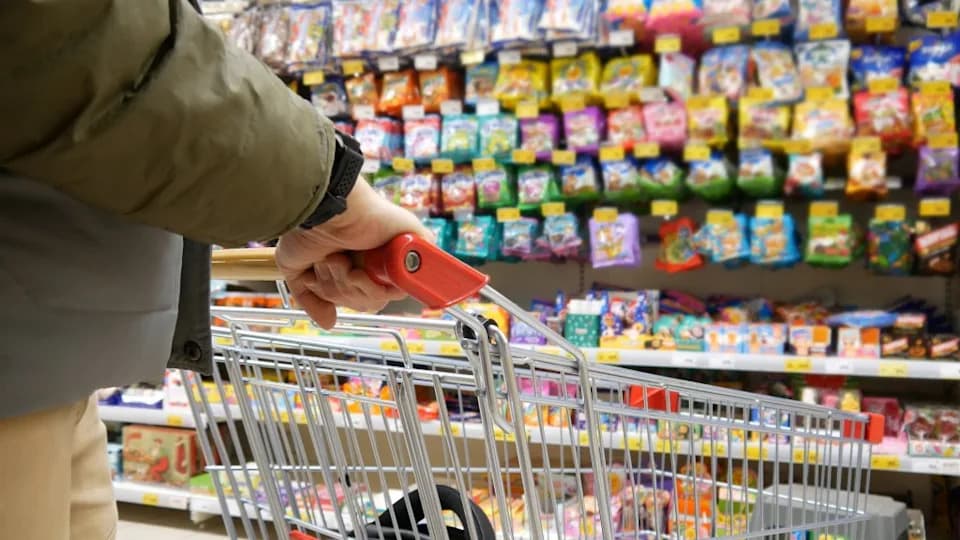
Stock image/file photo: A person with a shopping cart standing in front of the sweets display case in a grocery store.
Americans are growing more cautious about food safety: a new GS1 US survey and recent outbreak-linked recalls appear to be changing not only how consumers view affected brands but what they choose to buy.
The GS1 US survey of 1,000 U.S. adults found 94% are concerned about the frequency of food recalls, up from 93% in 2025. At the same time, trust that recalls effectively protect public health and safety slipped from 85% to 80%.
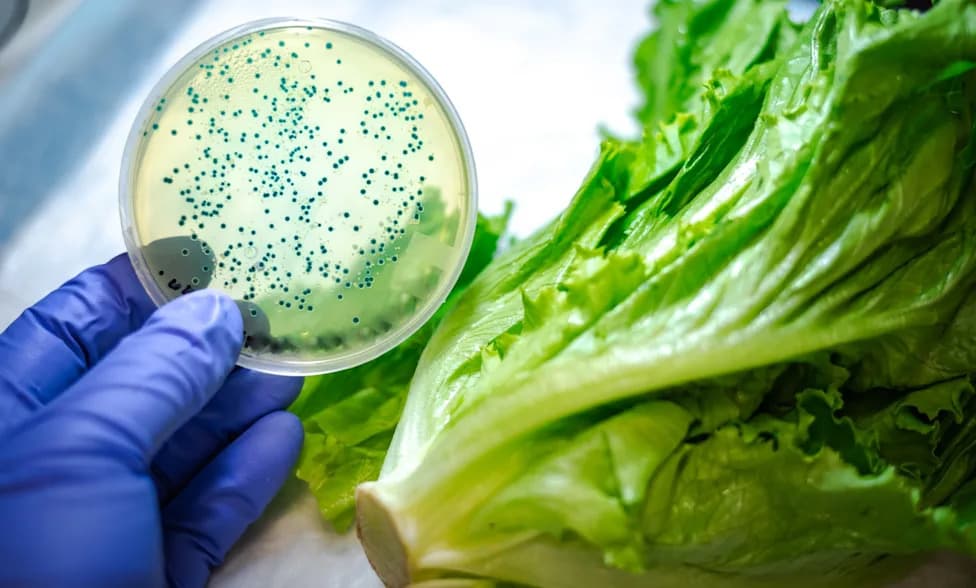
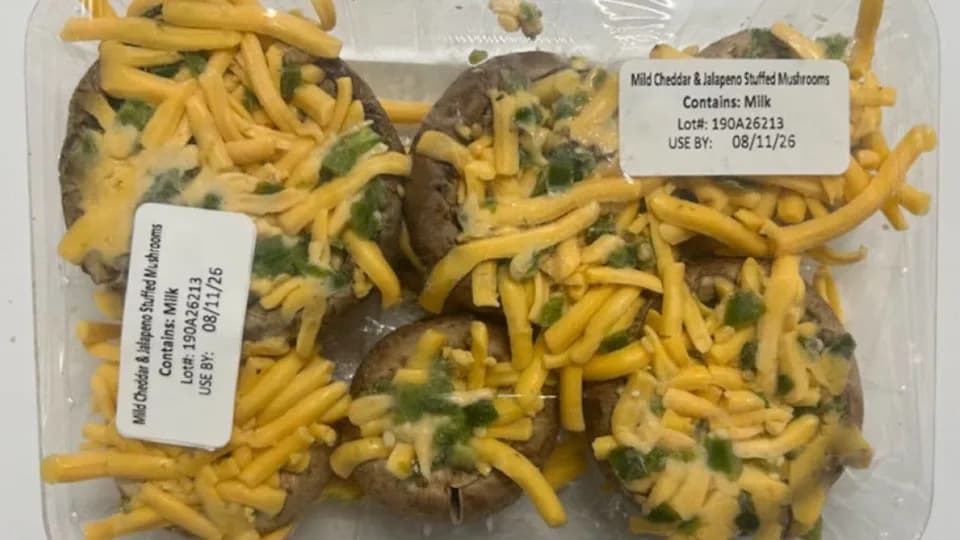
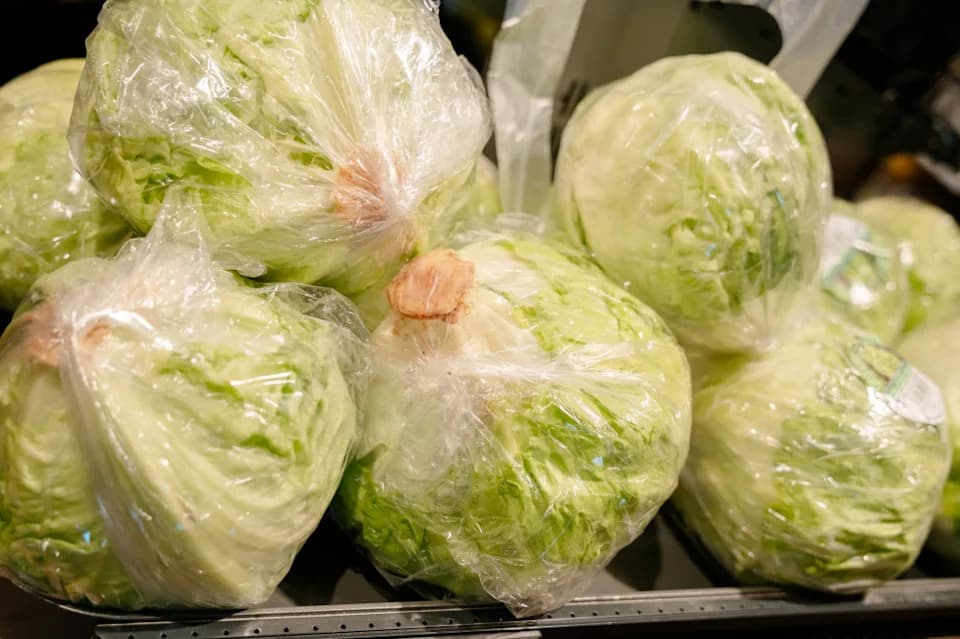
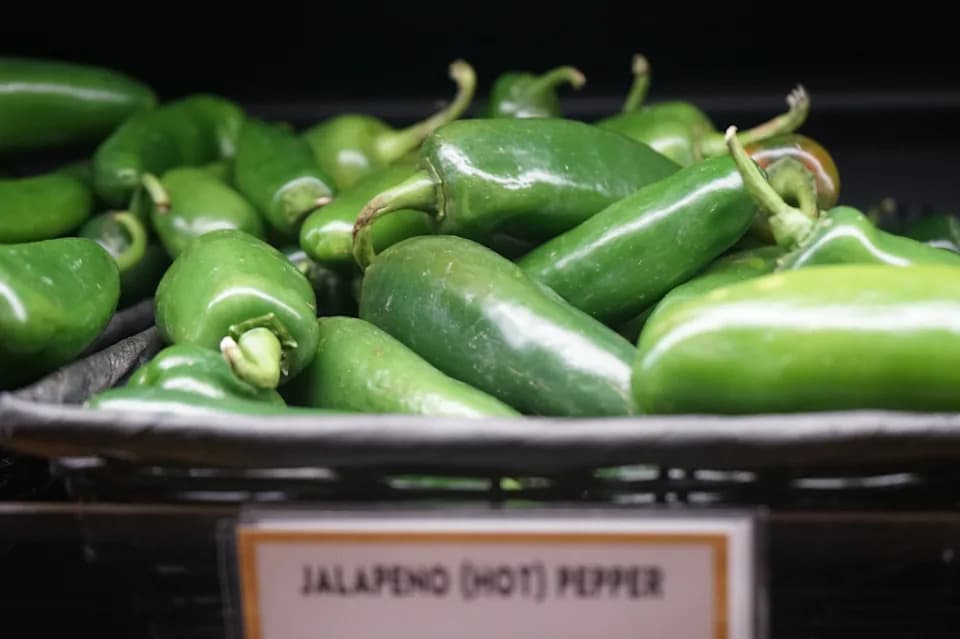
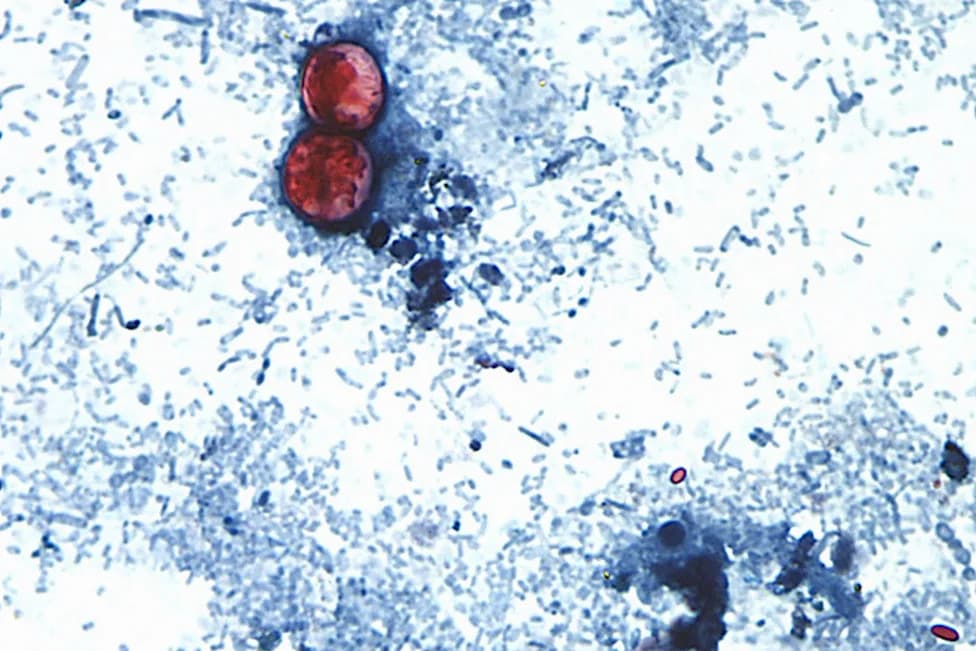
This change in sentiment follows a summer marked by several high-profile recalls tied to outbreaks. According to the FDA, a Salmonella outbreak linked to jalapeño peppers sourced in Mexico has sickened at least 431 people across 32 states, resulting in 57 hospitalizations and no reported deaths. A separate Cyclospora outbreak tied to iceberg lettuce led to 11,458 reported illnesses across 20 states, with 495 hospitalizations and two fatalities.
The poll suggests the impact of recalls extends beyond the specific products pulled from shelves. Sixty-seven percent of respondents said they had avoided an entire food category after a recall (up from 60% the previous year), and 66% said they were hesitant to repurchase the same product or brand (up from 59% in 2025).
Women reported greater changes in buying behavior: 71% said they avoided an entire food category after a recall, compared with 63% of men. Meanwhile, 59% of consumers said they would be willing to pay more for products that provide detailed product information, up from 57%.
What Counts As a Recall—and Why They Happen
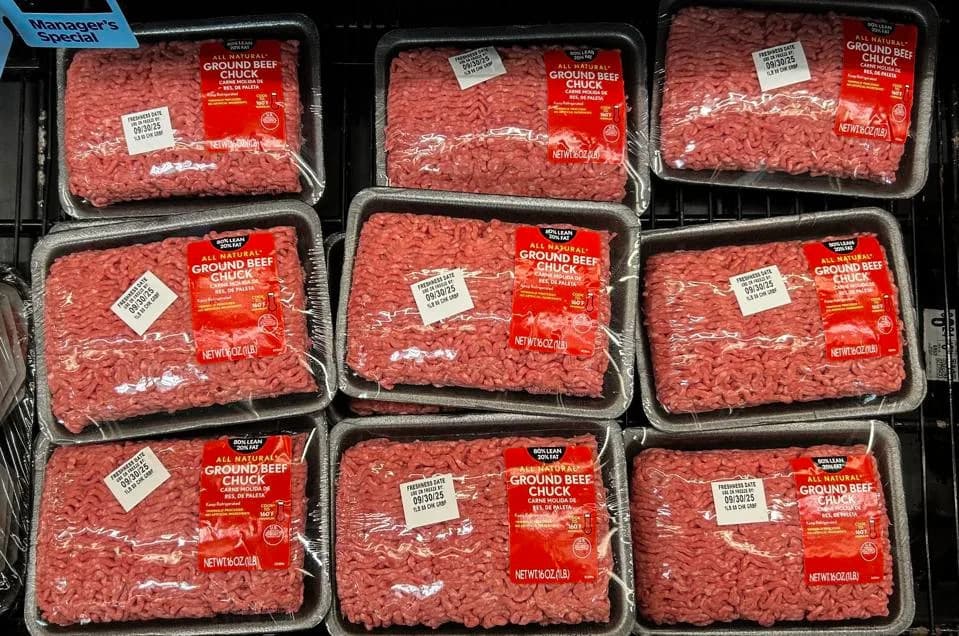
The FDA defines a food recall as the removal of food from the market that violates agency regulations. Recalls are typically initiated voluntarily by manufacturers or distributors, though the FDA can request or, in certain circumstances, mandate one. The FDA regulates most foods; meat, poultry and processed egg products are generally overseen by the U.S. Department of Agriculture.
Reasons for recalls range from bacterial contamination and undeclared allergens to labeling errors and foreign objects such as plastic, metal or rocks that could cause injury if consumed.
Trends From 2021–2025
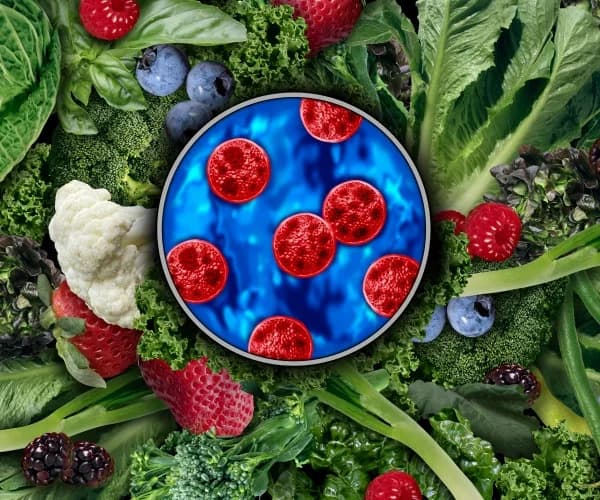
An analysis by Trace One of FDA recall data from 2021 through 2025 found allergen contamination was the leading cause, accounting for 45.2% of recalls (products containing or exposed to allergens like milk, wheat or nuts without necessary labeling). Bacterial contamination—including pathogens such as Salmonella, E. coli and Listeria—accounted for 22.6%, while foreign objects represented 10.8% of recalls. Lead contamination was rare, at 0.1% in the analysis.
Combining FDA and USDA data, Trace One also reported that total food recalls rose from 505 in 2021 to 613 in 2025, an increase of 21.4%. Class I recalls—the category for products posing the most serious health risks—rose 36.4% over the same period.
Consumer Response And The Path Back
Despite rising concern, the GS1 US poll indicates most consumers do not permanently abandon a brand after a recall. Only 9% said they would never buy a recalled brand again. Among those open to returning, 39% said the amount of time since the recall would influence their decision, 39% cited the severity of the contamination, and 35% pointed to recommendations from public health authorities.
Bob Carpenter, president and CEO of GS1 US, said recalls are a component of the consumer-protection system but argued that finer-grained traceability could help companies identify affected items faster and give shoppers clearer guidance about which products are safe.
As recalls increase and high-profile outbreaks draw public attention, clearer product information, faster tracing technology and transparent communication from companies and regulators will likely play a central role in rebuilding consumer trust and limiting unnecessary disruption to unaffected products.
Help us improve.