Teachers in Santa Barbara reported classroom temperatures as high as 100°F during a recent heat wave and are urging the district to adopt a formal heat-response plan. Educators cite aging buildings, limited air conditioning and inadequate measures such as fans as contributors to student heat stress. The district says retrofits are costly and some upgrades are underway while it awaits state funding approval. Experts warn funding gaps leave the most-affected schools least able to respond.
California Teachers Say Classrooms Reached 100°F, Urge District To Adopt Formal Heat-Response Plan
Photo Credit: iStock
Teachers in Santa Barbara, California, are pressing district leaders to adopt a formal heat-response plan after a historic heat wave pushed temperatures inside some classrooms to as high as 100°F. Educators say students showed signs of heat stress and that temporary measures like fans are insufficient to keep learning spaces safe and productive.
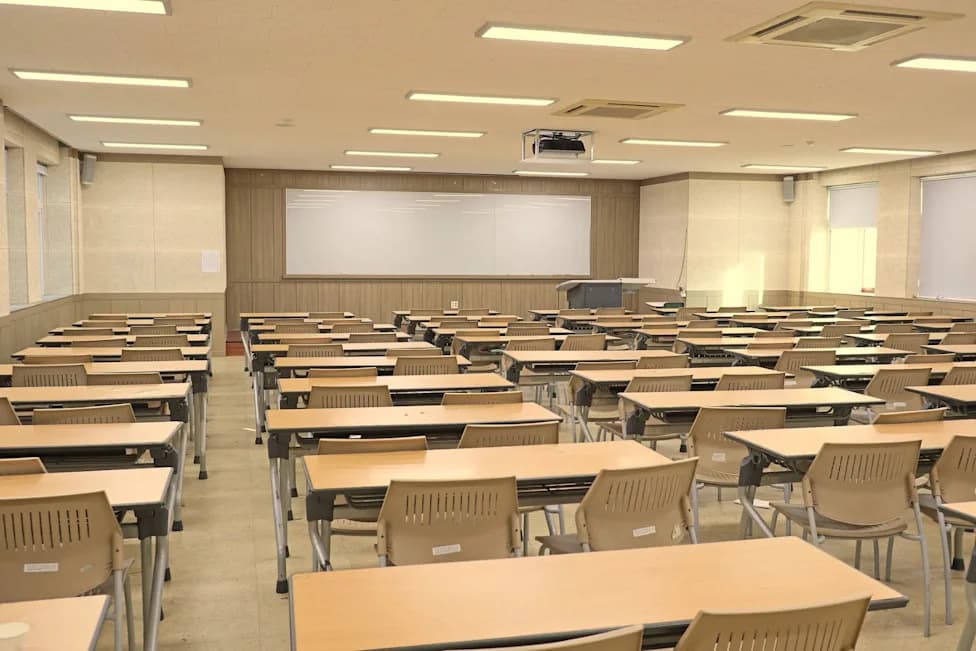
According to the Santa Barbara Independent, La Colina Junior High performing arts teacher Lisa Sueyres told the Santa Barbara Unified School Board in mid-September that her classroom stayed above 85°F during a recent heat event and peaked at 91.9°F despite two fans running on high. She noted the campus has air conditioning in only two spaces and urged the district to establish a districtwide 'heat emergency' plan to protect students and staff.
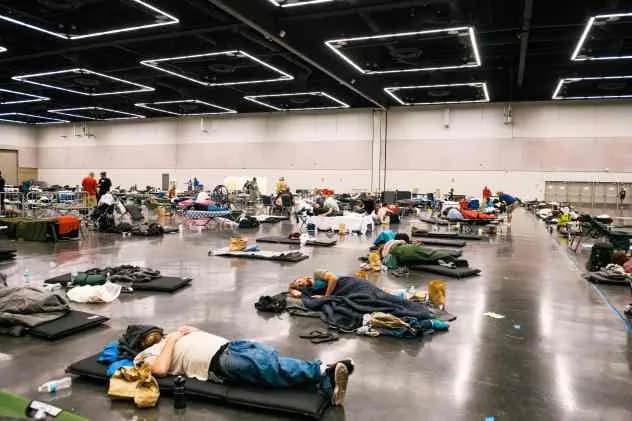
'The district needs a concrete and equitable plan with what we have now. We need a plan for access to cooling spaces on all campuses,' Sueyres said.
Santa Barbara High School teacher Kat Ross said staff have 'witnessed firsthand the effects of climate change on students in our district' and warned that aging buildings with poor ventilation worsen the risk. Ross said some classrooms reached 100°F and emphasized the need for a response that addresses indoor temperatures, not just outdoor heat warnings.
'We need to be prepared. Let's get this fixed so our students can perform at their best,' Ross told the board.
Health experts caution that extreme heat can threaten public safety and interfere with children's ability to concentrate and learn. Meanwhile, the cost of installing or upgrading cooling systems places pressure on school budgets and household finances.
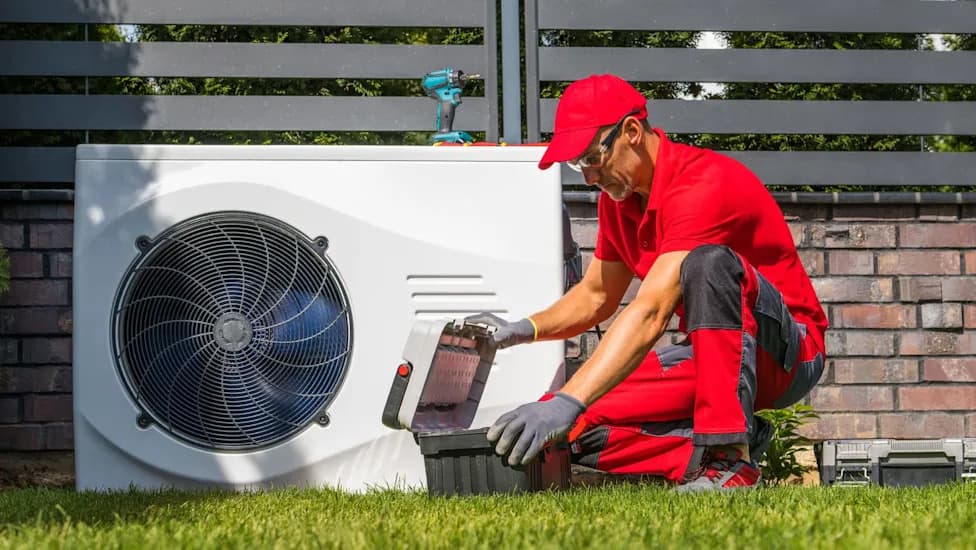
District spokesperson Ed Zuchelli told the Independent that many campuses historically lacked air conditioning because the region's weather has typically been mild. He said retrofitting older buildings can be expensive and may require adding ductwork as well as checks for asbestos and lead. The district says some HVAC improvements have been completed, and measures such as window tinting, fans, and extreme-heat-day protocols are already in place. Additional upgrades appear to be pending confirmation from the California Energy Commission to access state funding.
Researchers Allison Poulos and Jennifer Vanos of Arizona State University's HeatReady Schools program are helping districts prepare for extreme heat and its classroom effects. They and other experts highlight funding shortfalls as a major barrier: as they wrote in The Conversation, 'Many schools facing the most extreme heat are also those with the least amount of money available to spend.'
Teachers in Santa Barbara say planning for heat safety should not be delayed. They are calling for a clear, equitable district plan that identifies cooling spaces, outlines emergency protocols, and prioritizes investments to protect students and staff as temperatures climb.
Help us improve.