Iran is experiencing sharp increases in drug prices and localized shortages as a U.S. naval blockade, expanded sanctions and airstrike damage disrupt imports and production. Pharmacies report gaps on shelves while insurance reimbursement delays and smuggling worsen supply problems. Vulnerable patients — including those needing dialysis, psychiatric care and cancer treatments — face delayed or altered care, and flu vaccine costs have risen sharply.
Iranians Struggle With Surging Drug Prices and Shortages Amid U.S. Blockade and Sanctions
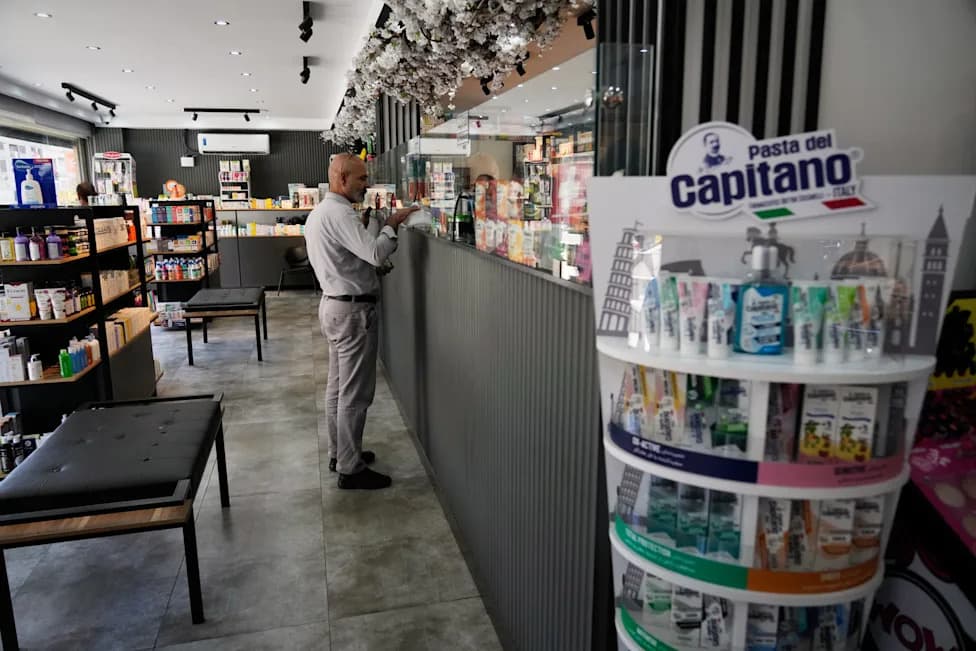
A man receives his medicine in a pharmacy in Tehran, Iran, Saturday, Aug. 29, 2026.(AP Photo/Vahid Salemi)(AP Photo/Vahid Salemi)
TEHRAN, Iran (AP) — Drug prices have surged across Iran and some treatments are increasingly difficult to obtain, forcing patients and families into urgent searches as a U.S. naval blockade and stepped-up sanctions squeeze the country's pharmaceutical sector.
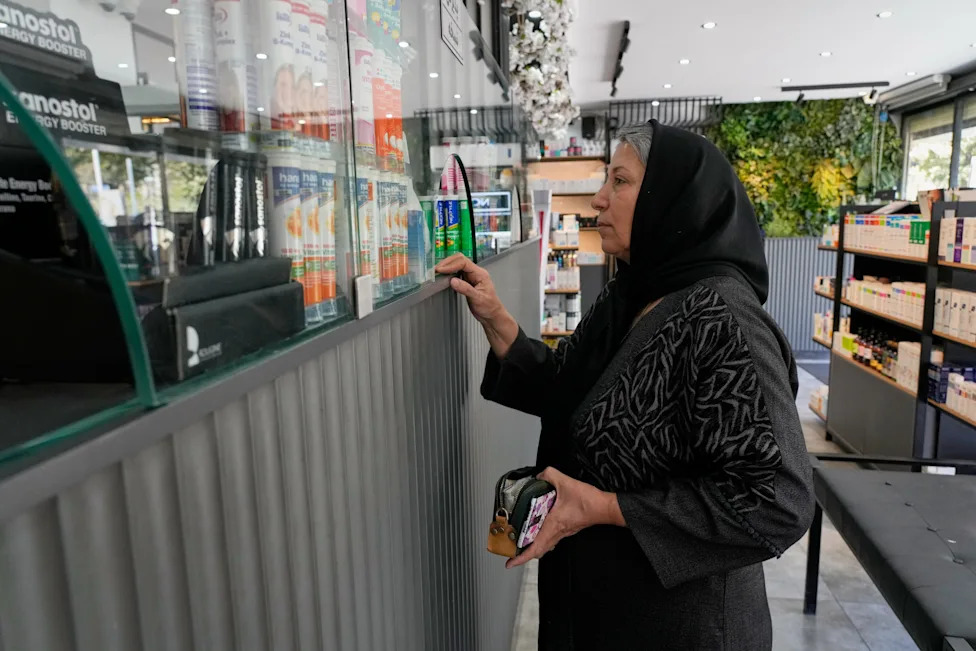
A woman receives her medicine at a pharmacy in Tehran, Iran, Friday, Aug. 21, 2026. (AP Photo/Vahid Salemi)(AP Photo/Vahid Salemi)
Everyday Impact on Families
Some medicines have more than tripled in price, adding pressure to household budgets seven months into Iran's confrontation with the United States and Israel. Basic goods and food costs have also soared while unemployment has risen and the national currency has lost roughly half its value. For many families, finding essential medicines means lost wages or impossible choices: a Tehran welder said he spent two days visiting pharmacies to fill prescriptions for his 12-year-old daughter, only to find one required medicine unavailable.
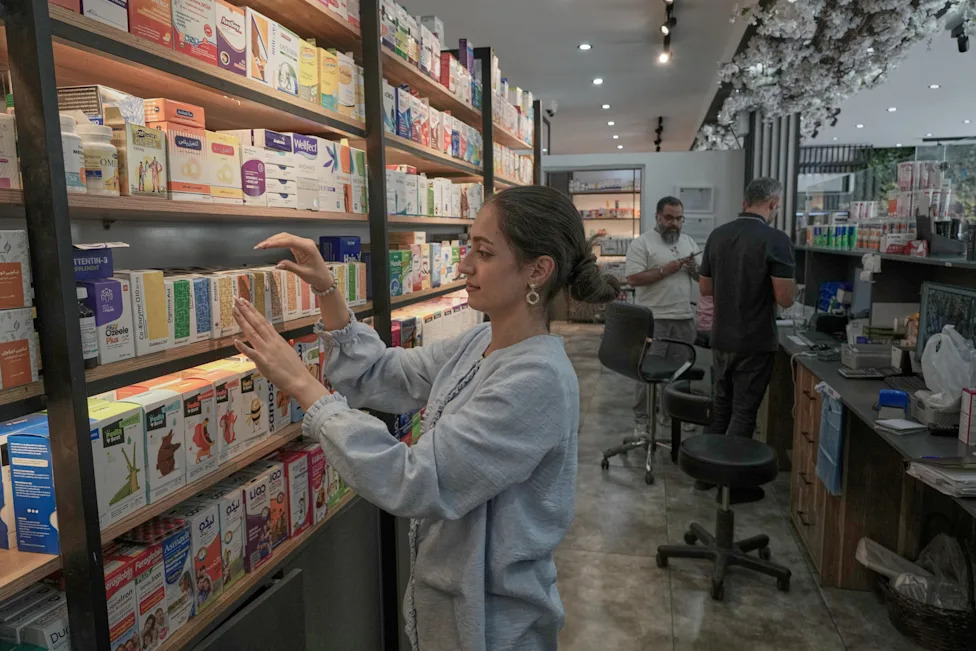
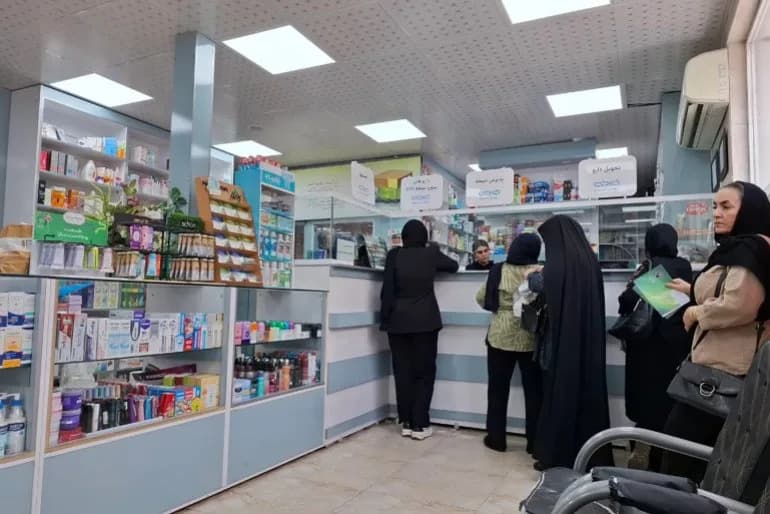
A pharmacy technician arranges boxes of medicine at a pharmacy in Tehran, Iran, Monday, Sept. 21, 2026. (AP Photo/Vahid Salemi)(AP Photo/Vahid Salemi)
How Supply Chains Broke Down
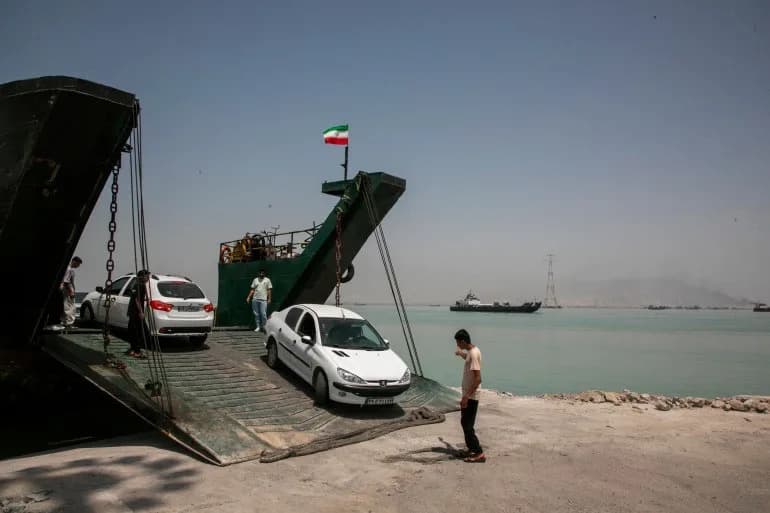
Iran manufactures more than 80% of its medicines domestically, but many locally produced drugs depend on imported raw materials and components. Before recent hostilities, these inputs arrived mainly by sea; officials and pharmacy representatives say a U.S. naval blockade since June has disrupted maritime shipping. Importers switched to costlier air freight, but new U.S. sanctions on several Iranian airlines and halted international flights have weakened that option.
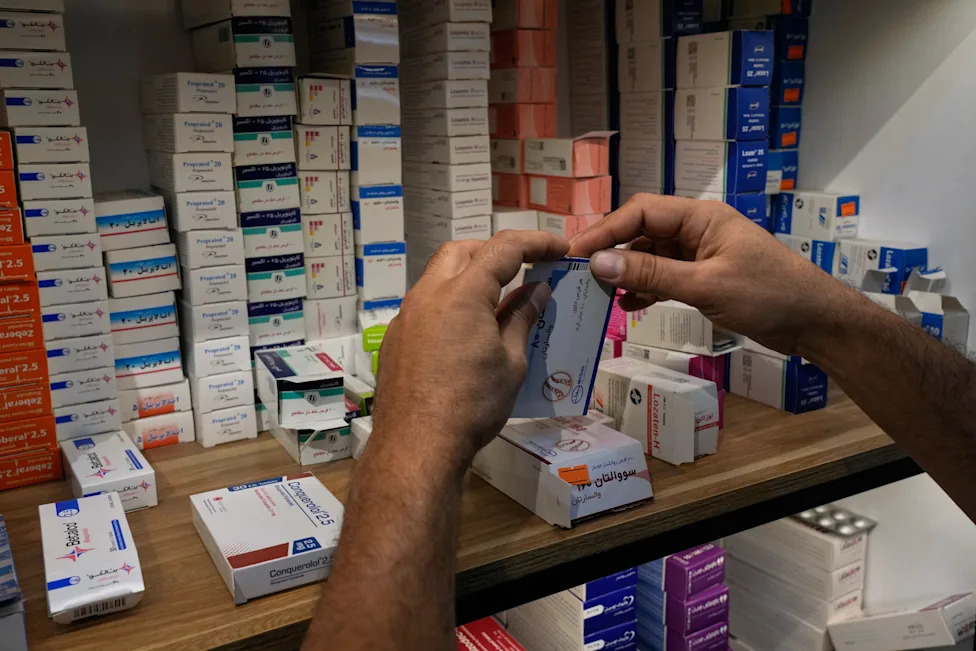
A pharmacy worker arranges boxes of medicine on shelves at a pharmacy in Tehran, Iran, Monday, Sept. 21, 2026. (AP Photo/Vahid Salemi)(AP Photo/Vahid Salemi)
Financial Barriers and Institutional Strains
While U.S. sanctions do not explicitly ban medicines, long-standing financial restrictions make banks and foreign companies reluctant to process transactions or deal with Iran, blocking otherwise lawful trade. Pharmacies are also squeezed by delayed reimbursements: lawmakers and pharmacy associations estimate insurers owe pharmacies some $270 million in overdue payments. Meanwhile, smuggling to neighboring countries where prices are higher further depletes local supplies.
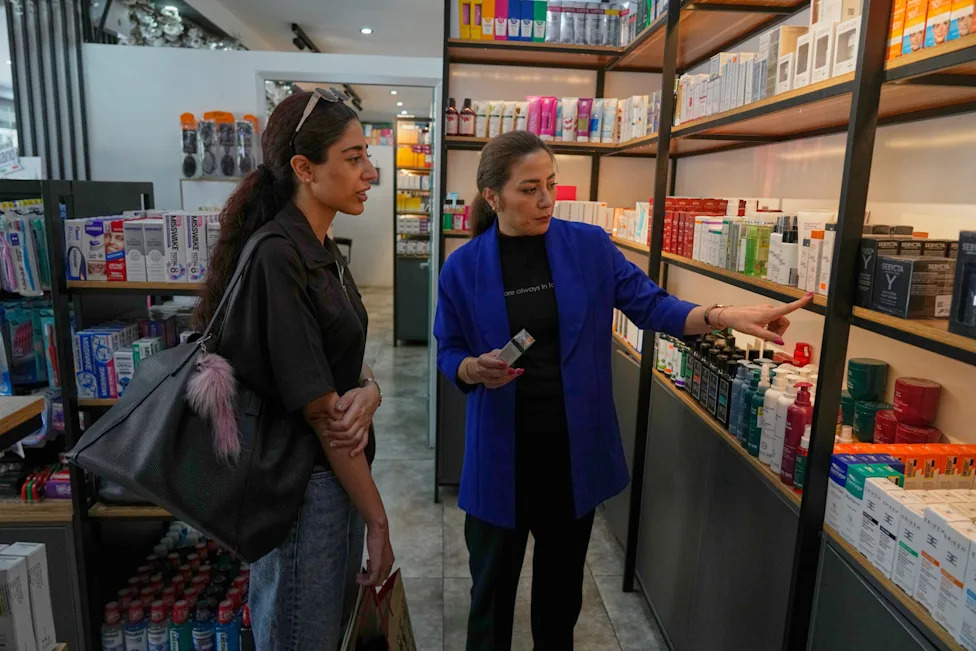
Pharmacy technician Mina Mohammadian talks about cosmetics to a customer at a pharmacy in Tehran, Iran, Friday, Aug. 21, 2026. (AP Photo/Vahid Salemi)(AP Photo/Vahid Salemi)
Patient Risks and Critical Shortages
Officials say more than 40 pharmaceutical factories were damaged by airstrikes, including some that produce cancer treatments, further reducing output. Prices for essential medicines have jumped dramatically: tablets used by dialysis patients rose nearly 350% in recent months, an anti-inflammatory ointment was reported to have increased fourfold in three months, and common painkillers such as acetaminophen are sometimes unavailable. Hospital staff report shortages of specialized psychiatric drugs used for bipolar disorder and acute psychosis; in some cases, doctors have resorted to electroconvulsive therapy more often because required medications were unavailable or of inferior quality.
Vaccines and Care Delays
Authorities say about 700,000 flu vaccine doses were imported from China and another 500,000 are expected. However, vaccine prices have nearly doubled from last year, selling for roughly 22 million rials (about $9) per dose, while officials have pledged free shots for high-risk patients. Cancer patients sometimes experience delayed chemotherapy when specific drugs are scarce.
"My daughter's illness and the loss of income are like scissors, cutting from two sides," one father said, capturing the pressure many families now face.
The crisis illustrates how geopolitical conflict, shipping disruptions, financial restrictions and local damage to production capacity can combine to threaten access to essential medicines — with consequences for vulnerable patients across Iran.
Help us improve.