Iranians are buying extra food and medicines as fears grow that an intensified US naval blockade and tougher sanctions will sharply restrict imports. Shops still display stocked shelves, but rising prices, a weakening rial and disrupted logistics are driving scarcity — especially for medicines and exported farm produce. Officials and analysts warn that prolonged shortages and falling living standards could increase the risk of public unrest.
Iranians Rush To Stock Food and Medicine as US Tightens Blockade
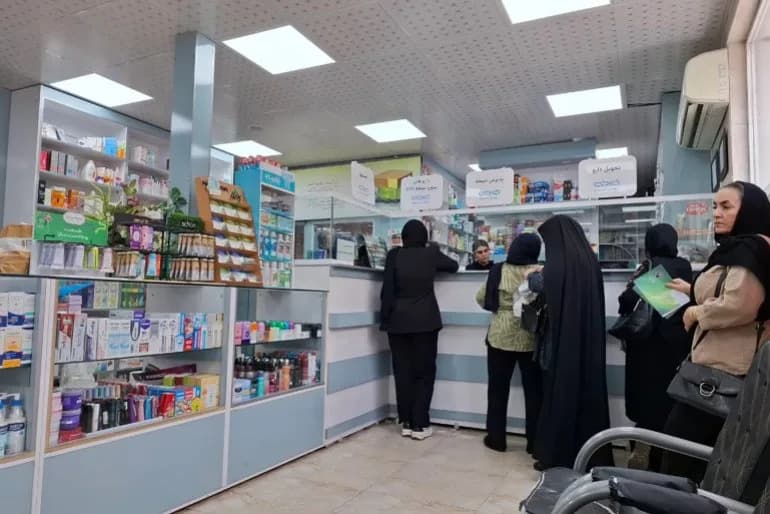
Women queue at a pharmacy in Tehran [Al Jazeera]
Tehran — Many Iranians are buying extra food and medicines amid growing fears that an intensified US blockade and tougher sanctions could trigger severe shortages across the country.
Supply Lines, Prices and Consumer Response
Through the early months of the conflict, Iranian authorities managed to keep basic household supplies available. But a new US naval blockade, tougher sanctions and reported pressure on other countries to curtail trade with Tehran have raised alarm that imports will become increasingly restricted.
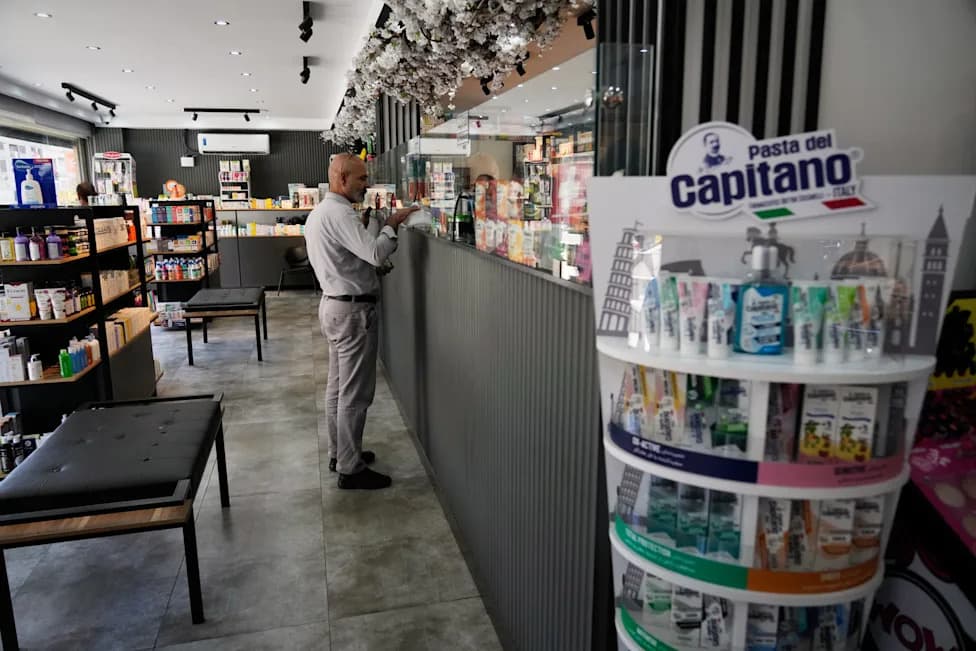
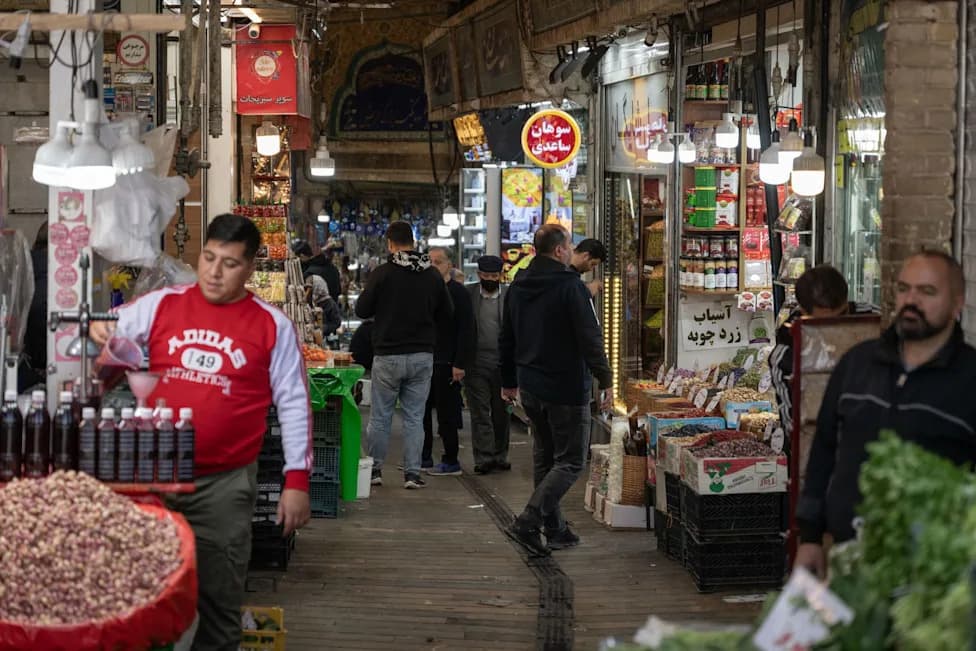
Most shops in Tehran still show stocked shelves, but shoppers are watching them closely. Anxiety rose after a wave of social media posts urged people to keep several days' worth of supplies on hand in case fighting with the United States escalates.
“I’m stocking up because I believe our adversary wants to ‘starve’ people so they turn against their government. This is not a conventional war. It targets the people to put pressure on the authorities,” said Ali, a 51-year-old shopper.
Grocers and shopkeepers say daily price fluctuations — driven by a weakening rial and disrupted logistics — are prompting some to buy in bulk. Haj Pasandideh, a 71-year-old grocer, said he sometimes limits sales of cooking oil to one bottle per customer to ensure broader access.
Farmers, Exports and Wasted Produce
Farmers report growing difficulties exporting their produce. Mehran, an apple grower, told reporters he sold only a third of this year’s harvest and all of it inside Iran because regional trade has slowed and some neighbouring countries have halted commerce.
Trucks that once cleared border crossings in a day can now wait for days, causing perishable goods to spoil before reaching buyers. Farmers say the combined effect of air, sea and unofficial land restrictions is squeezing livelihoods.
Medicine Shortages and Health Measures
The situation has also worsened an already serious shortage of medicines. Several pharmacies visited in southern Tehran had run out of infant formula and dozens of other drugs. Pharmacy staff say customers increasingly arrive searching for essentials in vain.
“Imported medicines are disappearing fast, and people have been buying certain items before they need them for fear they will run out later,” said Mahsa, a 23-year-old pharmacy assistant.
Health authorities have introduced what they call "smart systems" to monitor the quantity and types of medication each person buys, aiming to limit hoarding and detect shortages sooner.
Politics, Diplomacy and the Risk of Unrest
Speaking at the United Nations General Assembly, Iranian President Masoud Pezeshkian condemned the US measures, saying the blockade will prevent food and medicine from reaching ordinary Iranians. According to the reporting, US President Donald Trump rejected an Iranian offer for a seven-day truce that Tehran said would include reopening the Strait of Hormuz in exchange for economic relief and other conditions.
With the conflict entering its eighth month and diplomatic options fading, some Iranians say they favour a stronger response. On Tehran's main avenue, a number of residents told reporters they saw another clash with the United States as likely and urged the authorities to break the blockade before restrictions tighten further.
“Iran has many strong cards it must use to break the air and sea blockade before they become a land blockade that would completely choke Tehran,” said Mohsen, a 23-year-old economics student.
Alireza Taghavinia, an international relations expert, warned that a widening gap between Washington and Tehran could be difficult to bridge and said economic decline could spark street protests: “The siege imposed by force will only be lifted by force,” he said.
The coming weeks will likely determine whether shortages deepen, whether authorities can stabilise supplies and prices, and whether public frustration turns into wider unrest.
Help us improve.