The Merseyside Fire and Rescue Service linked an e‑scooter battery to a fatal house fire in Bootle on 22 September that killed a mother and three children. MFRS reports 150 fires and five deaths in Merseyside tied to lithium‑ion batteries between April 2023 and August 2026, with many incidents occurring at home and overnight. Experts warn of "thermal runaway" and advise owners to use correct chargers, avoid overnight charging, watch for the 'five Ss' of battery failure, and evacuate immediately if venting or smoke appears.
E‑Bike and E‑Scooter Battery Fires: What Owners Must Know After Fatal Bootle Blaze
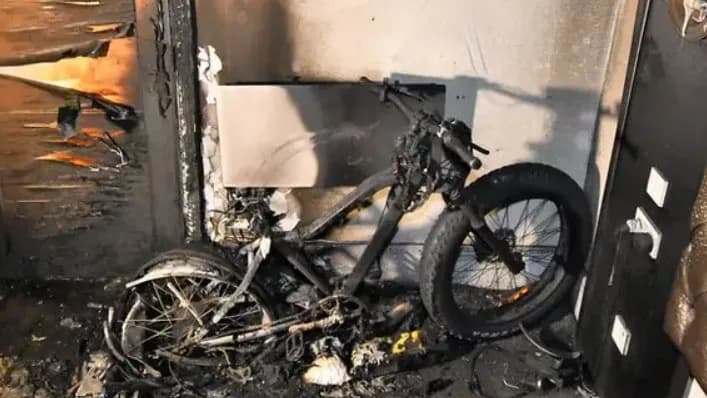
One hundred and fifty fires have been linked to lithium-ion batteries since April 2023, Merseyside Fire and Rescue Service said [Merseyside Fire and Rescue Service]
Owners of e-bikes and e-scooters are being urged to take extra precautions when charging lithium‑ion batteries following a fatal house fire in Bootle that killed a mother and three children. Merseyside Fire and Rescue Service (MFRS) investigators found an e-scooter battery charging at the property and have warned about the serious risks these batteries pose when they fail.

Elisha Brabin (pictured with Prudence), Ellis, Prudence and Leo died in a fire at their home on 22 September [Merseyside Police]
What Happened in Bootle
Elisha Brabin, 36, and her children Leo (16), Ellis (8) and Prudence (7) died after a fire "spread rapidly" through their home in Stone Square in the early hours of 22 September. MFRS confirmed investigators found an e-scooter battery charging at the property and said the tragedy emphasises the danger of lithium‑ion batteries when they malfunction.
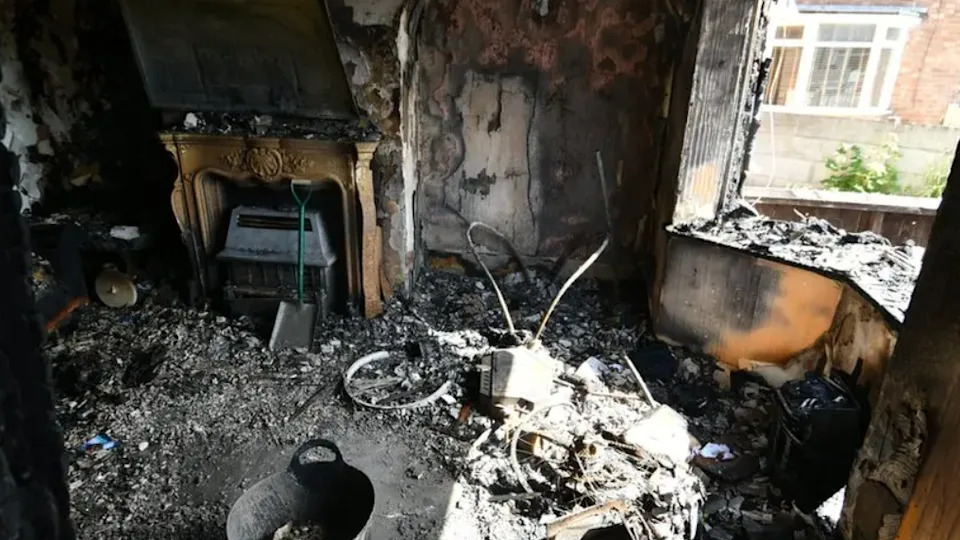
Becky Guy from RoSPA said fires involving lithium-ion batteries were "particularly dangerous" as they can spread "very very quickly" [Merseyside Fire and Rescue Service]
Local Data and Patterns
MFRS reported that between April 2023 and August 2026 there were 150 fires and five deaths in Merseyside linked to lithium‑ion batteries. Almost half of those incidents occurred at home, and 45% began between 21:00 BST and 08:00 — a pattern that underlines the heightened risk associated with charging devices overnight.

Becky Guy said lithium-ion batteries can rapidly overheat and create a "really nasty intense fire" [RoSPA handout]
How Lithium‑Ion Batteries Become Dangerous
Experts from RoSPA and Electrical Safety First explain that a failing lithium‑ion cell can enter "thermal runaway" — a rapid, self‑reinforcing overheating that can produce intense fire, toxic gases and sudden venting. Venting releases hot, toxic fumes and is often an immediate sign that evacuation is necessary. Once venting or smoke is visible from a battery, it is usually too late to extinguish the hazard safely with household means.

Giuseppe Capanna said if you lose the charger or you need a replacement it was vital to go back to the original manufacturer [BBC]
The Five Ss: Signs a Battery May Be Failing
- Swell — Bulging or deformity of the battery casing.
- Sound — Hissing, cracking or popping noises.
- Smell — Unusual, chemical or strong odours coming from the battery or charger.
- Stopping — Battery fails to charge, won’t fully charge, or takes much longer than normal.
- Smoke or Gas — Visible smoke or venting gas: "Get out, stay out and call 999."
Practical Safety Advice
- Do not charge e-bikes or e-scooters overnight or when you are asleep.
- Charge batteries in a well‑ventilated area away from furniture, soft furnishings and escape routes.
- Allow batteries to cool after use before recharging them.
- Use only the charger supplied by the manufacturer or an approved replacement from the original maker — avoid generic or "universal" chargers bought from third‑party online sellers.
- Inspect batteries and chargers regularly for damage. If a charger or battery is damaged, unplug it and move it outside if it is safe to do so, then arrange a proper replacement.
- If you see signs of venting, smoke, fire or hear unusual noises, evacuate immediately and call the emergency services. Do not try to extinguish a venting battery with a household extinguisher or blanket.
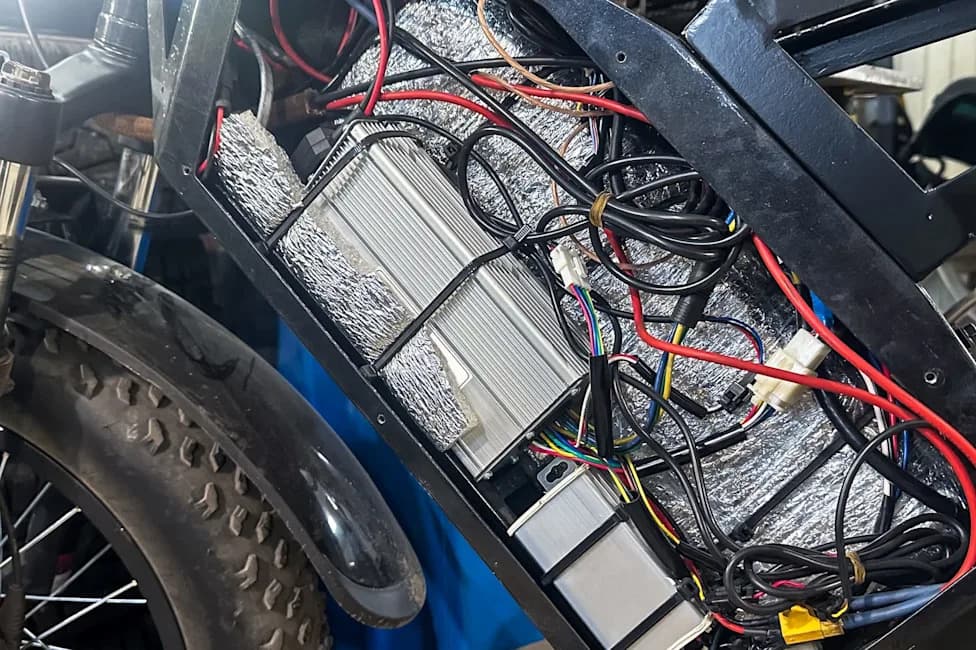
- If converting a conventional bicycle to an e‑bike, have the work done by a professional bike shop rather than attempting a DIY conversion.
Policy Responses and Wider Context
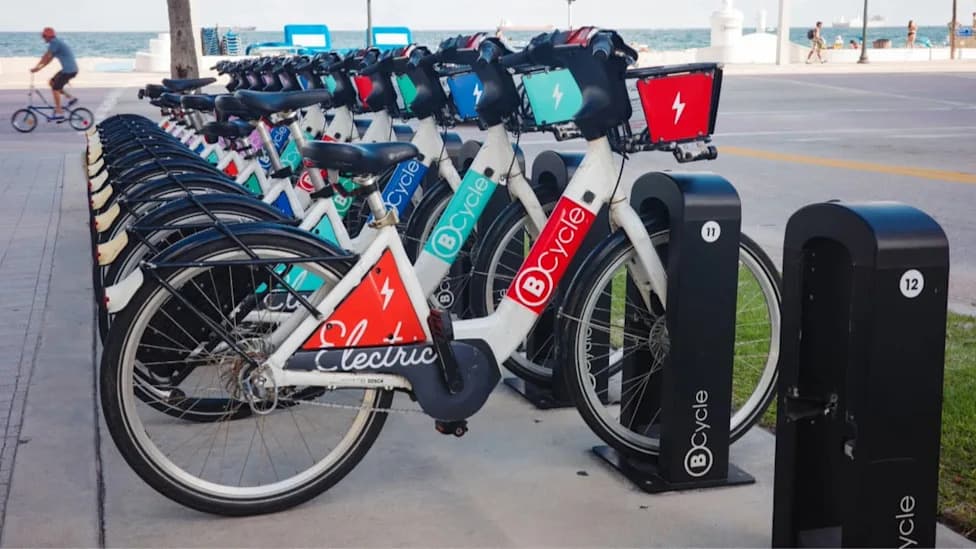
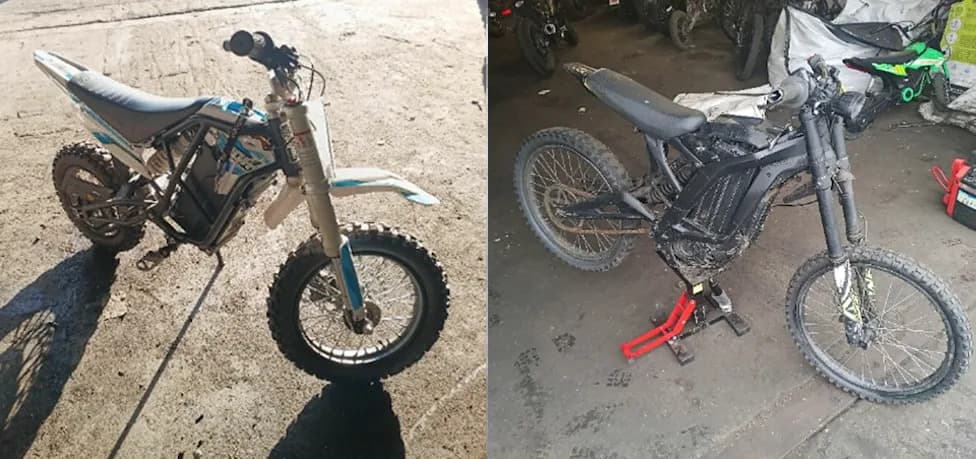
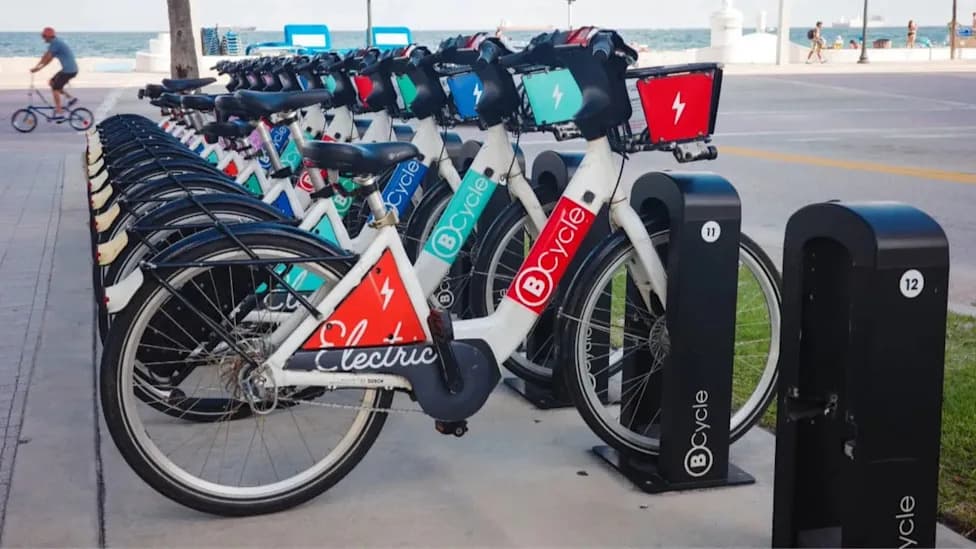
Merseyrail has announced a ban on non-folding or modified e‑bikes on its network from January after a safety review flagged the difficulty of responding to lithium‑ion battery incidents on trains — especially in enclosed or underground environments. Other local incidents include a 2024 fatality in Birkenhead and a near-miss in St Helens earlier in the year, illustrating that these events, while still relatively rare, can have catastrophic outcomes.
Where To Get Help
For guidance and safety advice, consult bodies such as Merseyside Fire and Rescue Service, Electrical Safety First and the Royal Society for the Prevention of Accidents (RoSPA). Follow manufacturer instructions for charging and storage, and replace lost or damaged chargers only through official channels.
Bottom line: Treat lithium‑ion batteries with caution. Charge them correctly, monitor them for the "five Ss", never charge unattended overnight, and evacuate immediately if you see venting or smoke.
Help us improve.