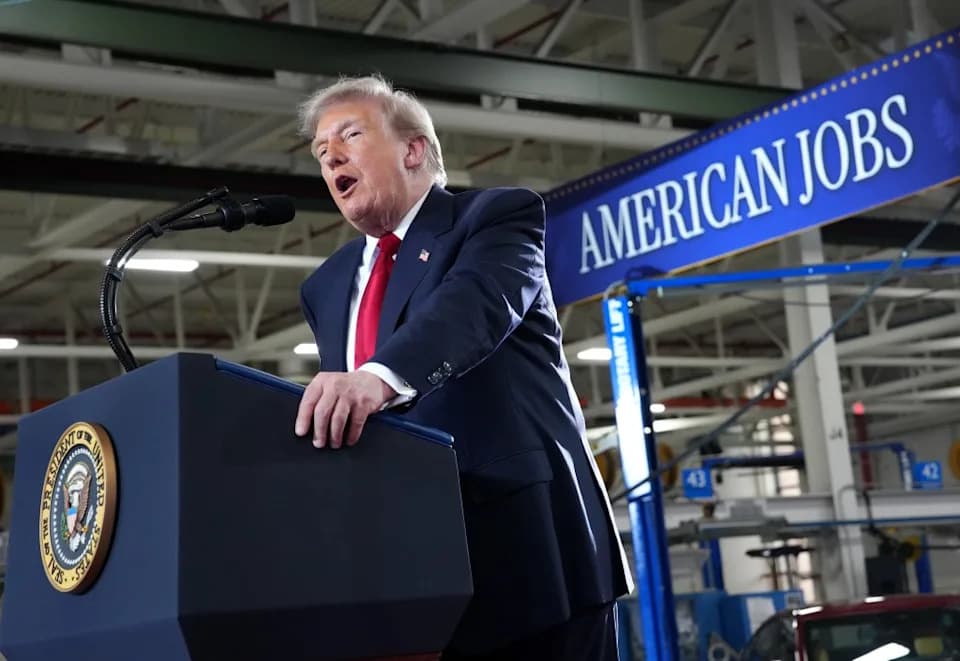
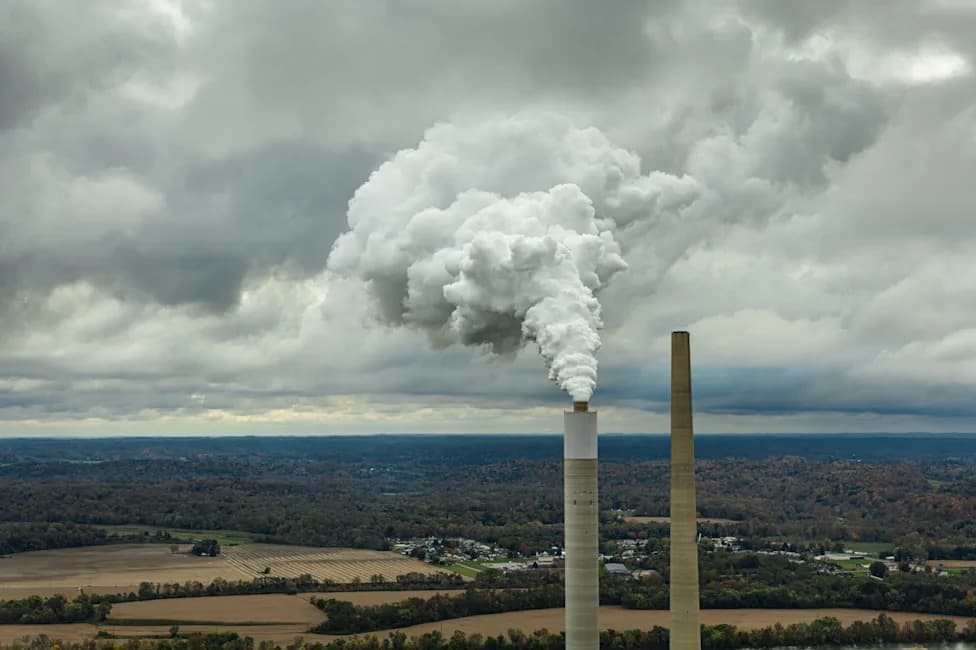
The Trump administration has rolled back Biden-era CAFE rules, cutting the required annual improvement in fleet fuel economy from 2% to 1% and lowering the 2031 fleet target from roughly 50.4 mpg to about 34.9 mpg. Federal modeling by NHTSA projects this change will lead to hundreds of additional illnesses and 524 premature deaths by 2050, plus billions more gallons of gasoline burned and higher CO2-driven warming. The administration cites lower vehicle costs as a benefit, but government analyses show substantial public-health and climate trade-offs.
Rollback of U.S. Fuel Economy Rules Could Cost Hundreds of Lives — Here’s How
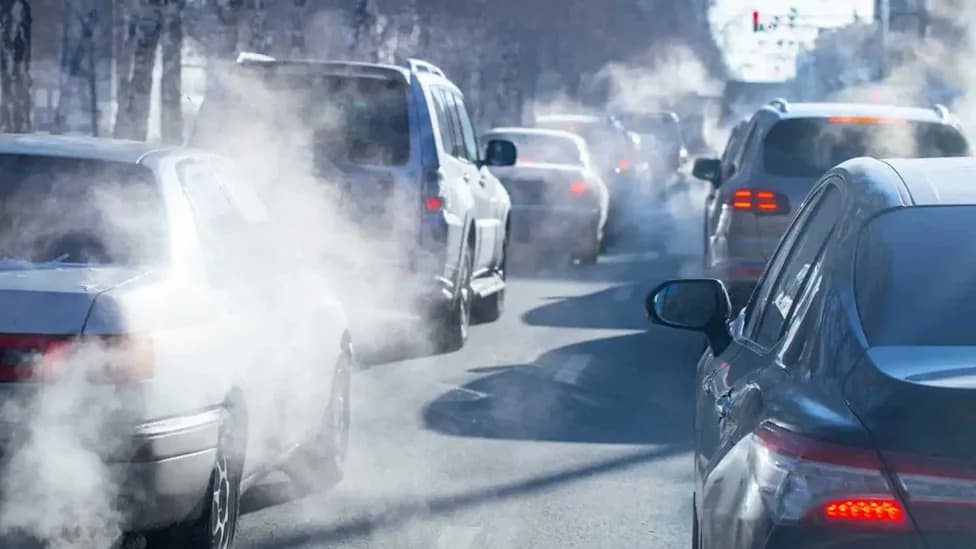
Car Exhaust
Summary: The Trump administration has rescinded key Biden-era vehicle-efficiency measures, cutting the required annual fleet fuel-economy improvement from 2% to 1% through 2031. The change reduces the 2031 fleet-average target from about 50.4 mpg to roughly 34.9 mpg, a difference federal agencies say will cause measurable public-health harms, higher fuel consumption and extra CO2 emissions.
What Changed
The administration revised Corporate Average Fuel Economy (CAFE) requirements so manufacturers need only improve fleetwide fuel efficiency by about 1% per year instead of the previous 2% standard set under the Biden administration. That lowers the 2031 fleet-average target to approximately 34.9 miles per gallon, compared with the earlier trajectory that would have led toward a 50.4 mpg fleet average.
Why It Matters
Relaxing CAFE requirements allows automakers to sell less-efficient internal-combustion vehicles with less incentive to accelerate electric-vehicle production. The administration argues the change will reduce vehicle costs by allowing automakers to avoid some efficiency investments. But federal analyses show that short-term savings come with long-term costs to public health and the climate.
Health and Economic Impacts
As part of the rulemaking, the National Highway Traffic Safety Administration (NHTSA) modeled five regulatory alternatives and labeled the final, looser standard "Alternative 3." NHTSA projects that, by 2050, the relaxed rules will be associated with an additional:
- 297 emergency-room visits
- 733 cases of acute bronchitis
- 140 cardiovascular hospital admissions
- 524 premature deaths
These estimates are drawn from NHTSA’s public technical analysis and reflect incremental air-pollution-related morbidity and mortality tied to higher tailpipe emissions under the weaker standard.
Climate And Fuel Consumption
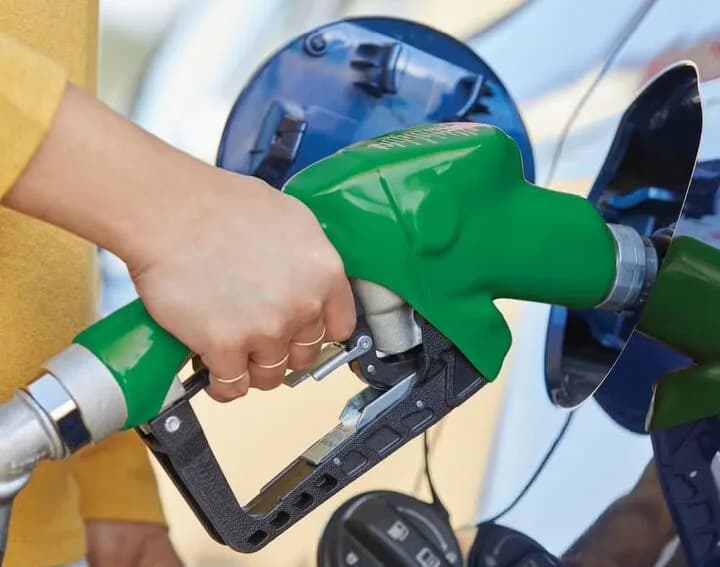
NHTSA also concludes the rollback will cause Americans to burn billions more gallons of gasoline over coming decades and will increase surface warming due to additional CO2 emissions. Critics warn that the move weakens U.S. climate leadership as other global markets push toward electrified transport.
Industry Context
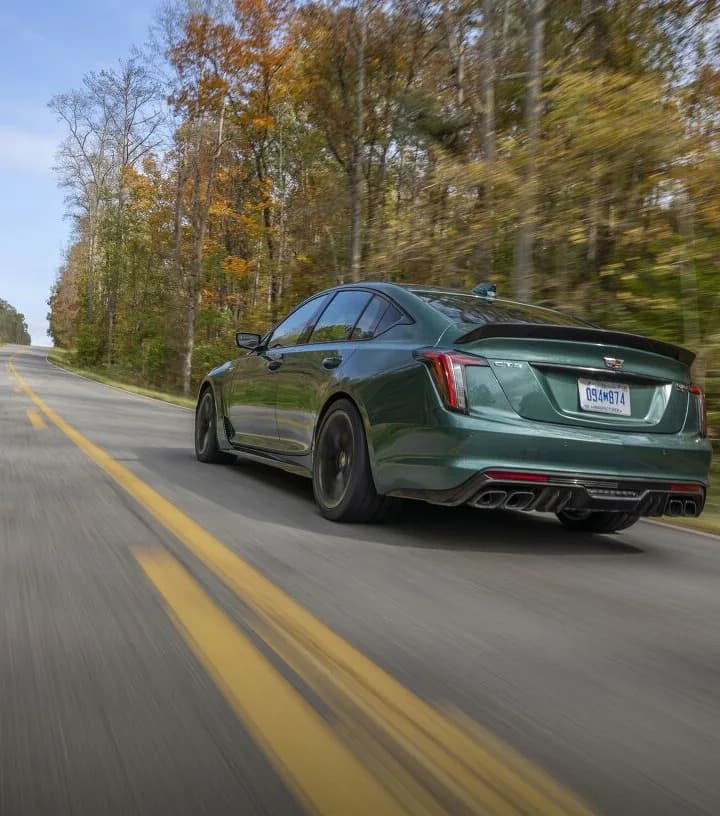
An EPA efficiency ranking shows many automakers are already close to — or above — the weaker target. For example, Honda’s fleet-average fuel economy was reported at about 31 mpg, and none of the top five automakers fell below 29 mpg. That suggests the 34.9 mpg target is achievable for many manufacturers and not a particularly ambitious benchmark.
Bottom Line
The rollback reduces near-term regulatory costs for some automakers and may slightly lower some vehicle prices for consumers. However, the administration’s own analyses show that the weaker CAFE standard will lead to higher cumulative fuel use, worse air quality, and quantifiable public-health harms — including hundreds of avoidable illnesses and hundreds of premature deaths by midcentury.
Full technical analyses: NHTSA and EPA public records contain the agency modeling and data summaries that underpin these projections.
Help us improve.