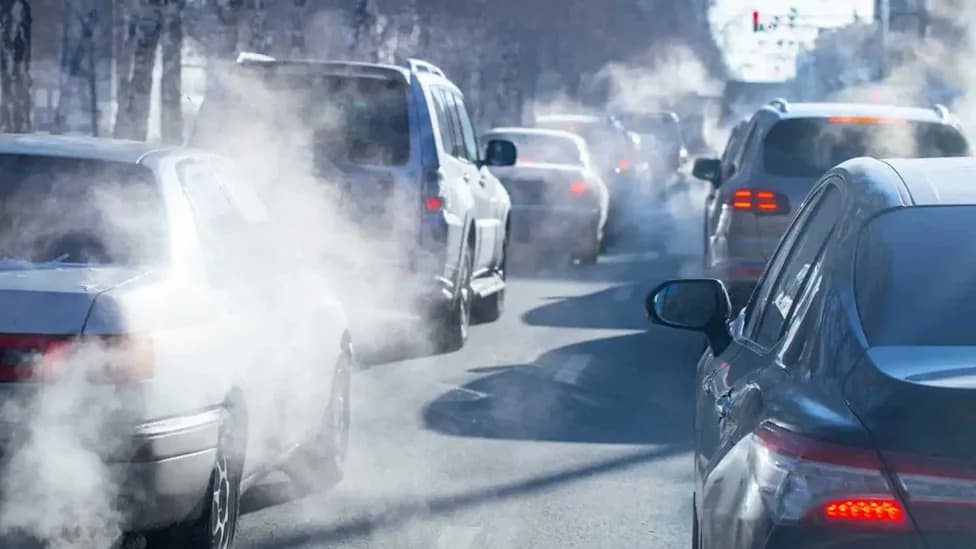
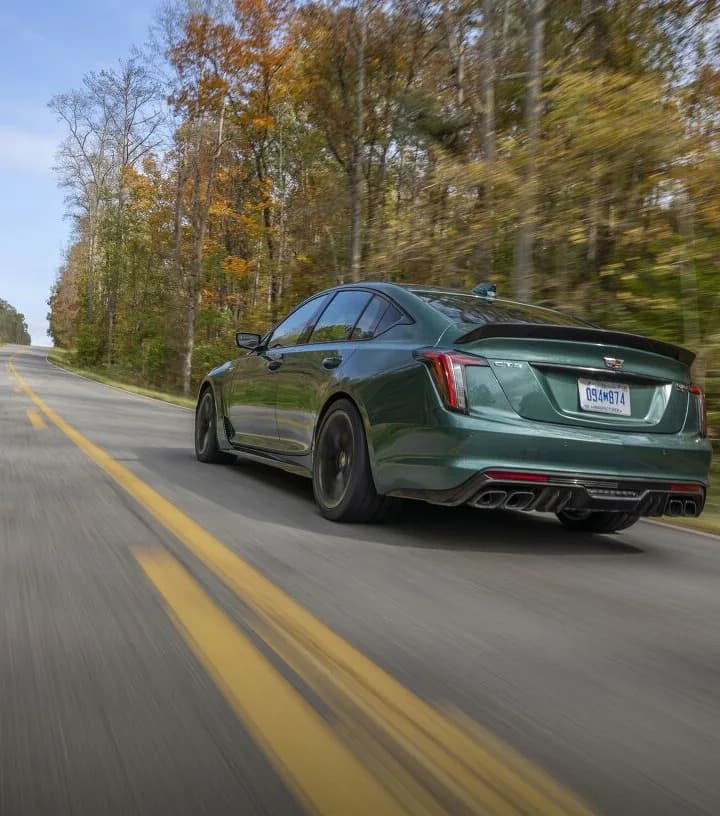
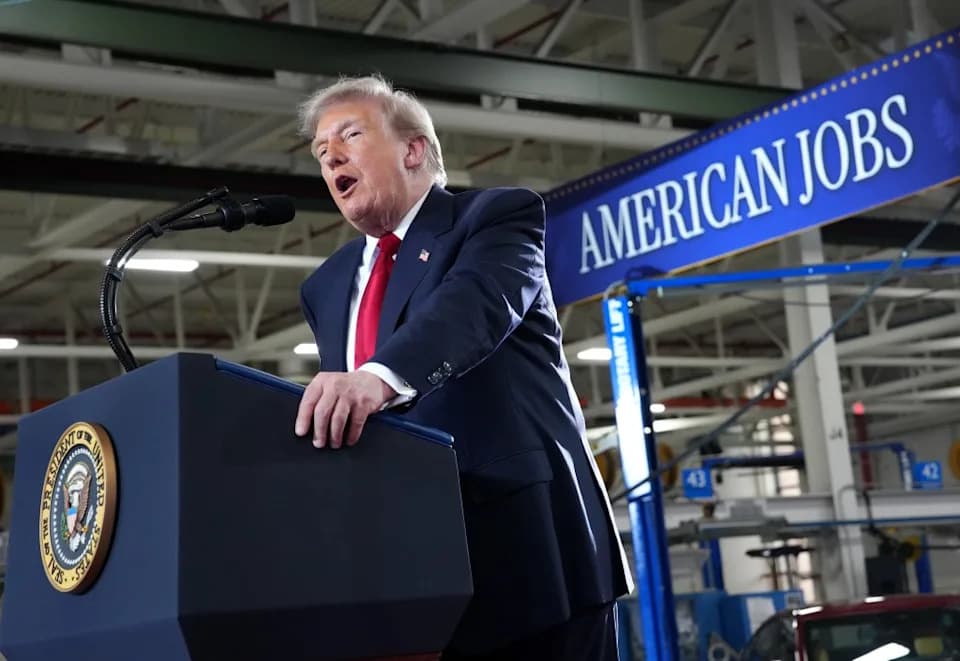
The Trump Administration cut the 2031 CAFE target from 50.4 mpg to 34.9 mpg, impacting passenger cars and light-duty trucks. Officials say the move will lower average new-vehicle prices by $1,300 and save $138 billion over five years, while potentially preventing 1,900 deaths and 300,000 serious injuries by accelerating fleet turnover. Critics counter that lower fuel economy will raise drivers' fuel bills—and the prior standard was estimated to save about $600 per driver annually.
Should Fuel-Economy Mandates Be Ambitious or Evolutionary? 2031 CAFE Cut to 34.9 mpg
question of the day should fuel economy mandates be tough or evolutionary
Today the Trump Administration finalized a significant rollback of Corporate Average Fuel Economy (CAFE) targets, lowering the 2031 combined standard from 50.4 mpg to 34.9 mpg. The change covers passenger cars and light-duty trucks; the reported CAFE figure at the end of 2024 was 30.1 mpg.
What the Administration Says
Officials framed the move as part of the "Freedom Means Affordable Cars" policy, saying it gives automakers greater flexibility in the kinds and sizes of vehicles they build to attract buyers. The administration estimates the shift would reduce the average price of a new vehicle by $1,300 and generate about $138 billion in consumer savings over the next five years.
question of the day should fuel economy mandates be tough or evolutionary
Officials also claim the lower standard could save roughly 1,900 lives and prevent about 300,000 serious injuries because cheaper new vehicles would accelerate replacement of older, less-safe cars, trucks and crossovers. The average age of vehicles on U.S. roads is currently about 12 years, a figure that has been rising for several years.
Critics' Concerns
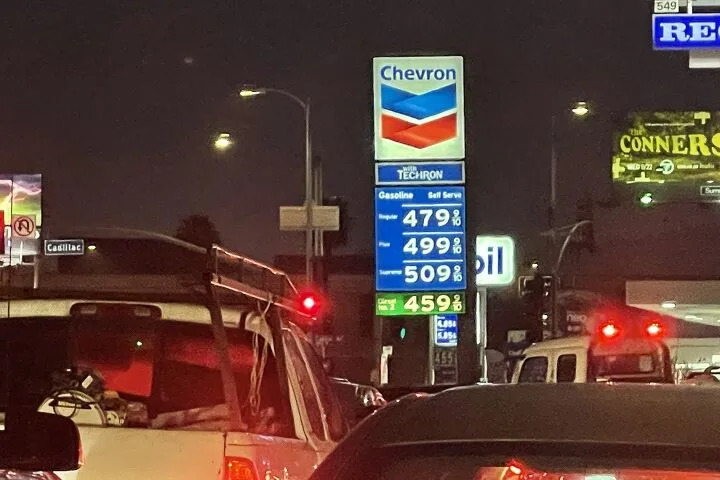
Opponents warn that allowing a fleet with lower fuel economy will raise fuel spending for drivers. Gasoline prices remain elevated in part because of global tensions, including recent strains between the U.S. and Iran, making fuel costs a particular concern. The Biden Administration previously estimated the stricter standard would have saved drivers roughly $600 per year in fuel costs.
Bottom line: The change shifts the balance between immediate affordability of new vehicles and long-term fuel savings and emissions reductions. Which matters more — ambitious, rapid gains in efficiency or a more gradual, evolutionary transition?
What do you think: should automakers be held to aggressive, hard-to-reach efficiency targets, or should standards be eased to allow a slower, market-driven transition? Share your view.
Help us improve.