The article explores how prized new fruit varieties — exemplified by Japan’s Beni Princess citrus — are increasingly targeted by seed smuggling and illicit propagation across Asia. It explains why protecting plant varieties is legally complex and expensive across borders, recounts high-profile cases (Shine Muscat, SunGold kiwifruit, stolen corn seeds) and outlines the economic and food-security stakes. Experts say stronger international standards and enforcement are needed, but litigation is costly and farmers remain vulnerable.
Asia’s Fruit Wars: How Seed Smuggling and IP Theft Threaten Farmers and Food Security
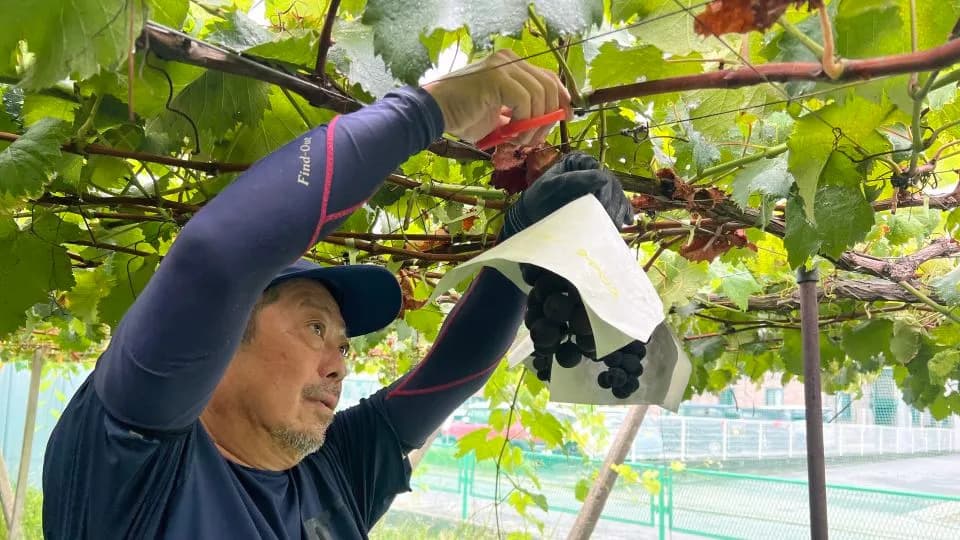
Shinya Sato grows grapes on his farm in Japan's Yamanashi prefecture, including original varieties like Shine Muscat, Kai King and Sunshine Red. - Courtesy Shinya Sato
The fruit hanging on the branch looks tantalizingly good — round and plump, wrapped in a fragrant, deep-orange skin. But this is no ordinary citrus. The Beni Princess is a luxury variety with a jelly-like flesh and sweet juice that breeders say took about 20 years to develop by crossing two elite cultivars.
The Cost Of Creating Premium Fruit
Developing a new fruit variety often requires decades of painstaking crossbreeding, field trials and testing to ensure desirable taste, yield and resilience at scale. Those costs can be enormous. On a five-acre family farm in Matsuyama, Ehime prefecture, Ryohei Mori and his wife, Kyeong-hui Choi, removed roughly 200 trees and borrowed money to install greenhouses and plant Beni Princess saplings — an upfront investment they hope will pay off when they begin selling next spring.
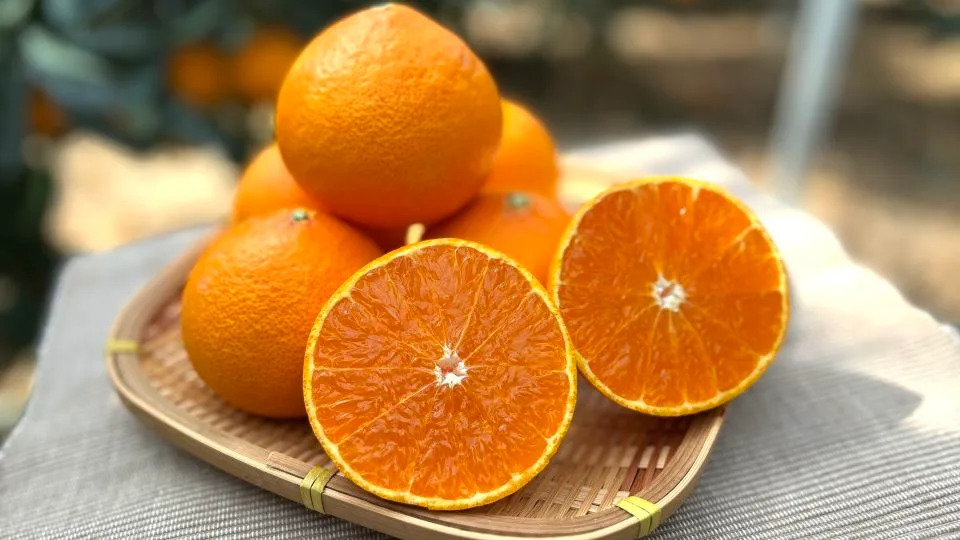
The Beni Princess citrus variety (pictured) is grown by Ryohei Mori and his family on a farm in Matsuyama, Japan, Ehime prefecture. - Courtesy Hojo Mori Farm
A Shadow Market Emerges
The family’s optimism is tempered by reports — which CNN could not independently verify — that seedlings labeled as Beni Princess are appearing on Chinese e-commerce platforms while the variety’s IP application remains pending. Choi said the notion that the fruit might have been "stolen" left her appalled, while local officials urged Tokyo to investigate. Japan’s agriculture minister called the issue "particularly serious."
Legal Hurdles And International Fragmentation
Plant varieties can be treated like intellectual property, but protecting them across borders is complex. A Japanese breeder seeking protection in China or South Korea must apply separately in each country, and laws differ about what constitutes infringement. The International Union for the Protection of New Varieties of Plants (UPOV) sets standards and counts about 80 members, but it does not enforce rights — enforcement rests with national authorities and the breeder pursuing genetic proof and legal action.
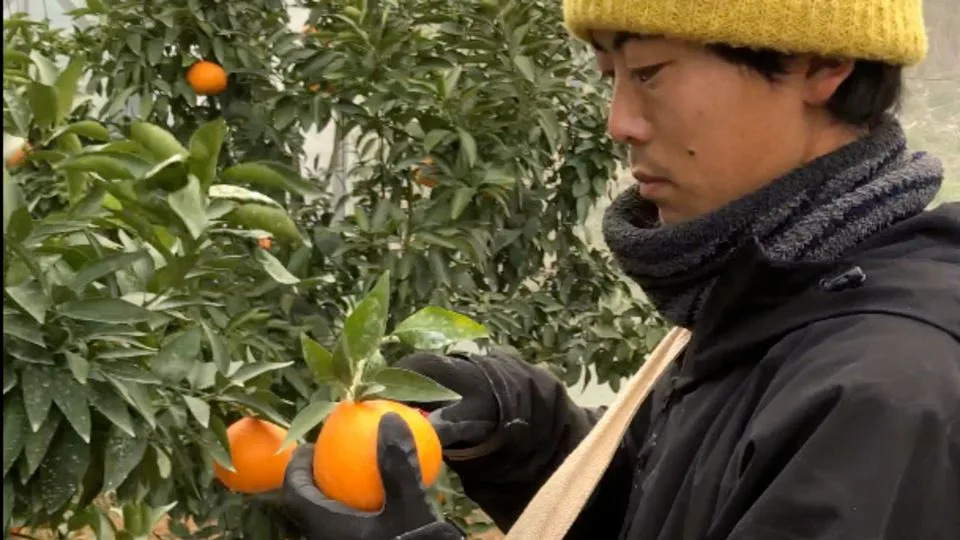
Ryohei Mori is pictured picking citrus fruits on his family farm. - Courtesy Hojo Mori Farm
High-Profile Precedents
Japan has been hurt before. The Shine Muscat grape, developed in Japan in the early 2000s, was not registered for protection in some overseas markets in time; Chinese and South Korean producers now grow and sell Shine Muscat widely at far lower prices. Japanese officials estimate annual lost royalties around 20 billion yen (roughly $127 million) from such oversights.
Other notable cases include a 2011 U.S. investigation that exposed an effort to steal genetically modified corn seeds for shipment to China; the accused, Mo Hailong, was later convicted. New Zealand-based Zespri has also fought protracted legal battles after a licensee transported SunGold kiwifruit cuttings to China; courts ordered damages and orchard removal after finding unlawful propagation.
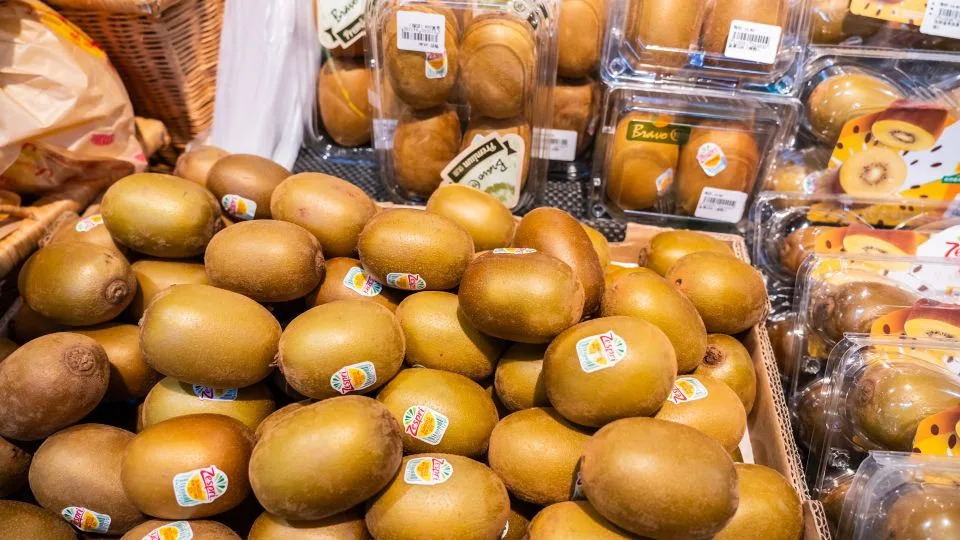
Zespri SunGold kiwi fruits are displayed at a supermarket in Shenzhen, China in 2020. - Alex Tai/SOPA Images/LightRocket/Getty Images
Why This Matters
Experts warn that rampant copying depresses prices for premium fruit, dilutes brand value and undercuts growers who invested years into breeding and cultivation techniques. Many premium varieties require meticulous cultivation practices — from light exposure to pruning schedules — that illicit growers may not replicate, producing lower-quality fruit sold under the same name. That undermines incentives to invest in research and development at a time when climate change is already pressuring global food supplies.
Responses And Limits
Several Asian governments have tightened seed protection laws in recent years; Japan passed legislation aimed at curbing illicit export of homegrown varieties, and China has strengthened seed protections as well. Still, litigation and enforcement are costly and time-consuming, and smaller breeders and research institutions often lack resources to pursue cross-border claims. Large multinationals have sometimes succeeded by deploying private investigators and legal teams.
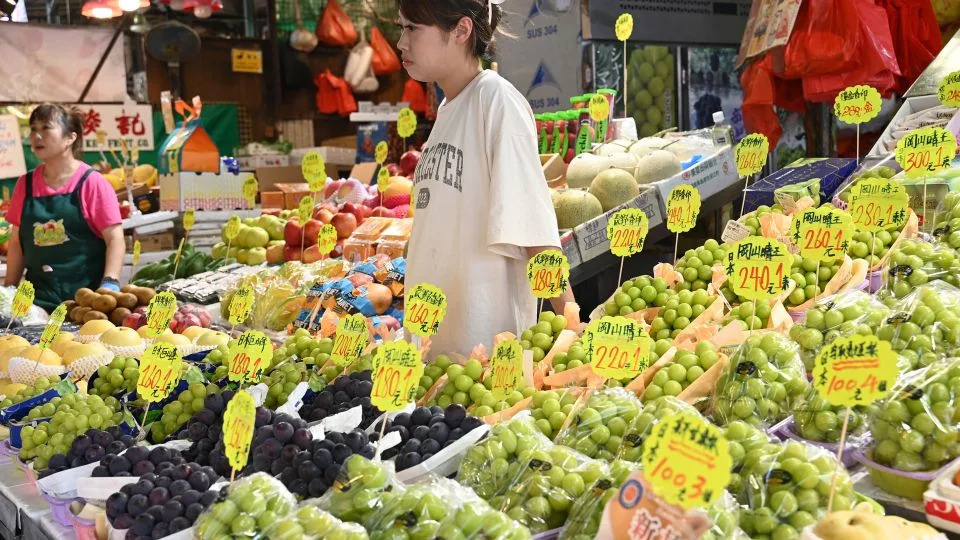
A vendor sells fruits, including Shine Muscat grapes, at a market in Hong Kong in 2023. - Peter Parks/AFP/Getty Images
On-Farm Security And The Road Ahead
Farmers are adopting low-tech defenses — from extra surveillance to deterrent netting during harvest — but such measures cannot stop all theft, especially when stolen material can be shipped abroad discreetly. Policymakers, breeders and growers say stronger international cooperation and clearer, more harmonized protections would help, but a single worldwide patent-like system remains a distant prospect.
"There's stealing directly from the field, but there's also stealing our brand value, taking it and pretending they built it themselves," said grower Shinya Sato, summarizing a concern shared by many producers.
The contest over seeds and saplings in Asia is not only an economic dispute about royalties; it raises deeper questions about who controls agricultural innovation, how to reward plant-breeding efforts, and how to balance protection with broader access to resilient crops as climate risks mount.
Help us improve.