The UK faces widespread vitamin D deficiency (about 18% year‑round, 31% in winter), which raises risks such as rickets and worse respiratory infections. Researchers at the John Innes Centre used precise gene editing to delete a 108‑letter gene segment, producing tomatoes that accumulate a vitamin D precursor without adding foreign DNA. Early volunteer trials by the Quadram Institute reported encouraging results, and the tomatoes could discreetly boost vitamin D intake through common cooked foods. Wider adoption will depend on further trials and regulatory decisions, especially in the EU.
Gene‑Edited 'Sunshine' Tomato Could Help Tackle Britain’s Vitamin D Shortage

Roughly a third of Britons lack the nutrient during the darker months - Olga Pankova/Moment RF
A few years ago a routine blood test showed that I, like a sizeable share of the British population, was deficient in vitamin D. Around 18% of Britons are estimated to be deficient year‑round, rising to roughly 31% in winter. That shortage has real health consequences: vitamin D deficiency can cause rickets in children and weaken immune responses, increasing susceptibility to respiratory infections.
Why This Matters
In summer our tissues make vitamin D when skin is exposed to sunlight, but Britain’s long, cloudy winters leave many people relying on dietary sources such as eggs, oily fish and meat. Certain groups are particularly at risk: the elderly, people with obesity, those who spend most of their time indoors and people with darker skin tones. All of these demographics are growing as proportions of the population, yet public emphasis on the problem has eased: the NHS now offers general guidance to take supplements but discourages routine testing.
The Science Behind the Tomato
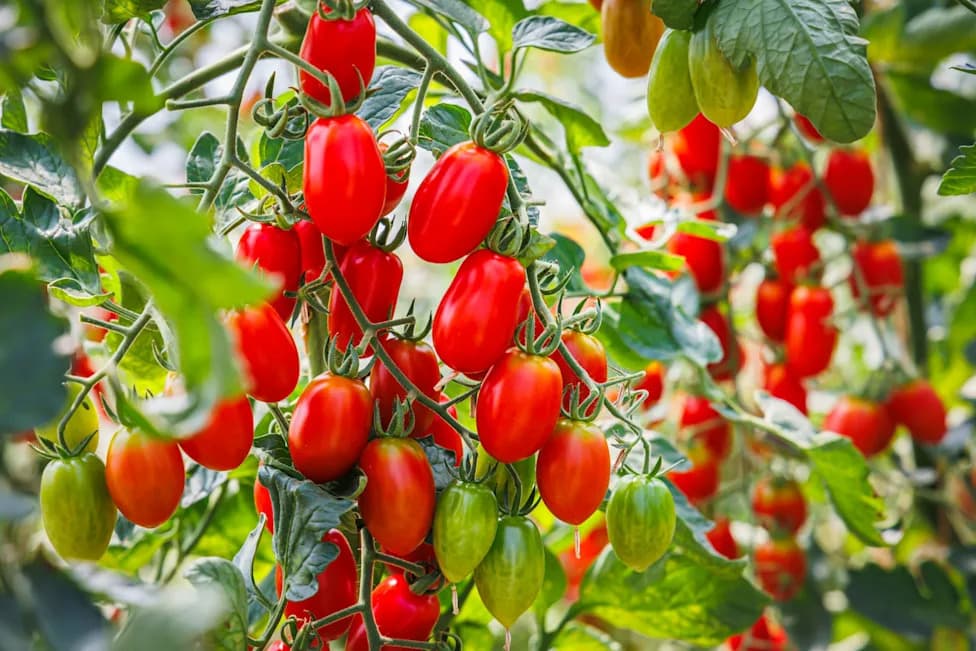
Researchers at the John Innes Centre in Norwich have developed a tomato that accumulates a precursor to vitamin D by precisely deleting a 108‑letter sequence in a specific gene. Importantly, no foreign DNA was added; this is a targeted edit the researchers describe as the sort of change that could plausibly arise by natural mutation. The work is an example of precision breeding via gene editing — a tool that can shift plant breeding toward consumer benefits such as improved nutrition.
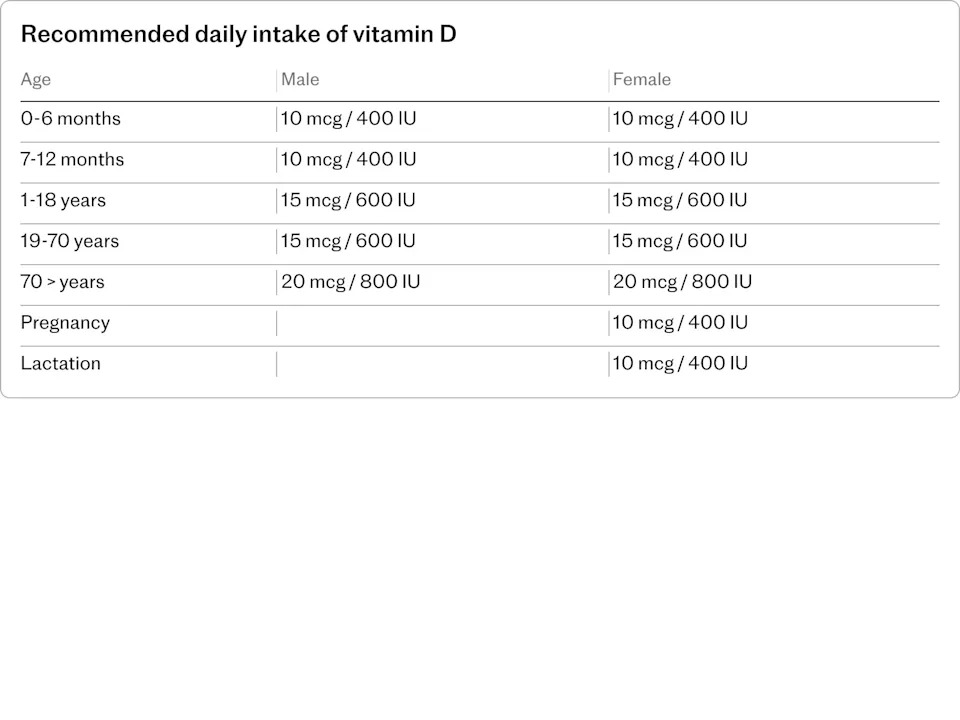
Recommended vitamin D
Trials, Findings and Practical Use
The Quadram Institute in Norwich ran a volunteer feeding study comparing soup made from the edited tomato with soup from standard tomatoes. Preliminary results presented at the American Society for Nutrition (ASN) meeting in July were encouraging, indicating that the edited variety can raise levels of the vitamin D precursor in people who eat it. Because tomatoes are widely used in many cooked products, the enhanced variety could unobtrusively boost dietary vitamin D intake.
“If I can encourage people to eat more tomatoes not only for their vitamin D3 content but also for all the other vitamins (A, B1–B9, C, E and K) and their fibre I would be content,” says Prof Cathie Martin of the John Innes Centre, who led the work.
Public Health Context and Cautions
During the Covid‑19 pandemic some studies found an inverse correlation between low vitamin D status and the risk of severe disease, hospitalization and mortality, although trials of supplementation after infection did not show clear benefits. That nuance highlights that vitamin D is not a cure‑all, but improving baseline nutritional status may help vulnerable people at the margin. The NHS’s caution about widespread testing reflects concerns about inappropriate self‑dosing and the commercial supplement market; experts continue to recommend targeted supplementation for high‑risk groups.
Regulatory and Market Outlook
The new precision‑bred “sunshine” tomato illustrates a shift toward crops engineered to benefit consumers rather than just farmers. Developers learned from earlier efforts — for example, the genetically modified purple tomato that eventually reached markets in the US, Canada and Australia after a 17‑year path to approval — that new varieties must appeal to consumers on taste and appearance. Regulatory attitudes will shape adoption: the UK may see earlier uptake, while the European Union remains more cautious about gene‑edited foods.
Overall, the edited tomato is a promising, food‑first approach to addressing a pressing nutritional gap. Larger clinical trials and regulatory review will determine whether it becomes a practical, widely accepted tool to help reduce vitamin D deficiency in the UK and beyond.
Help us improve.