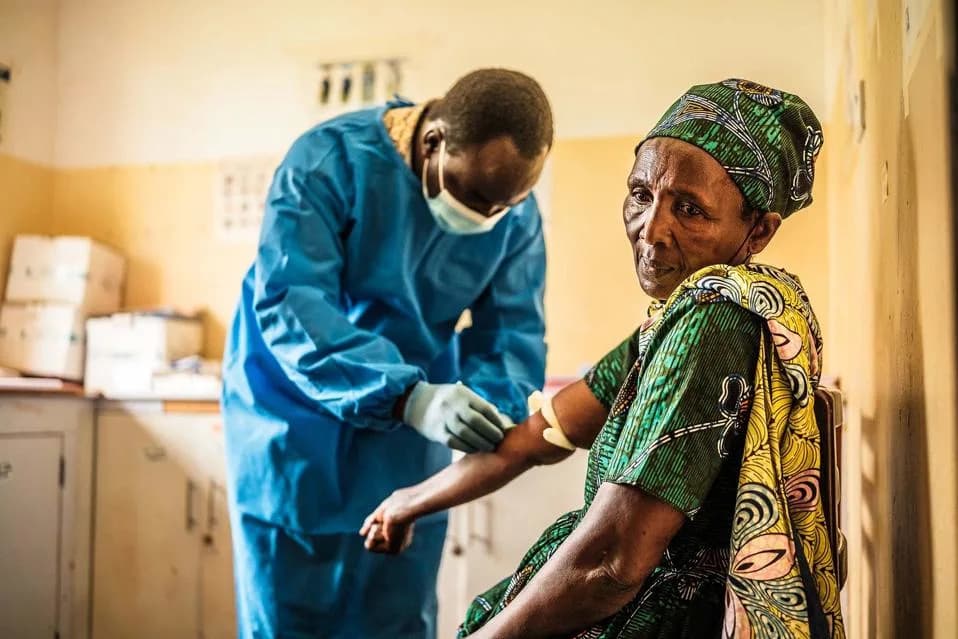
Pooled rapid molecular testing — combining sputum samples from up to four people into a single cartridge — could cut cartridge use roughly in half and substantially lower costs. A Lancet Global Health trial with over 14,000 symptomatic participants across seven countries found pooled testing used 7,028 cartridges versus 14,362 for individual testing and detected 84.9% of TB cases (versus 88.0% for individual testing). Experts and the WHO say pooling can be rolled out quickly because it requires no new technology and can expand access without major new funding.
Pooled TB Testing Could Halve Diagnostic Costs and Find Millions Missed, Large Trial Shows
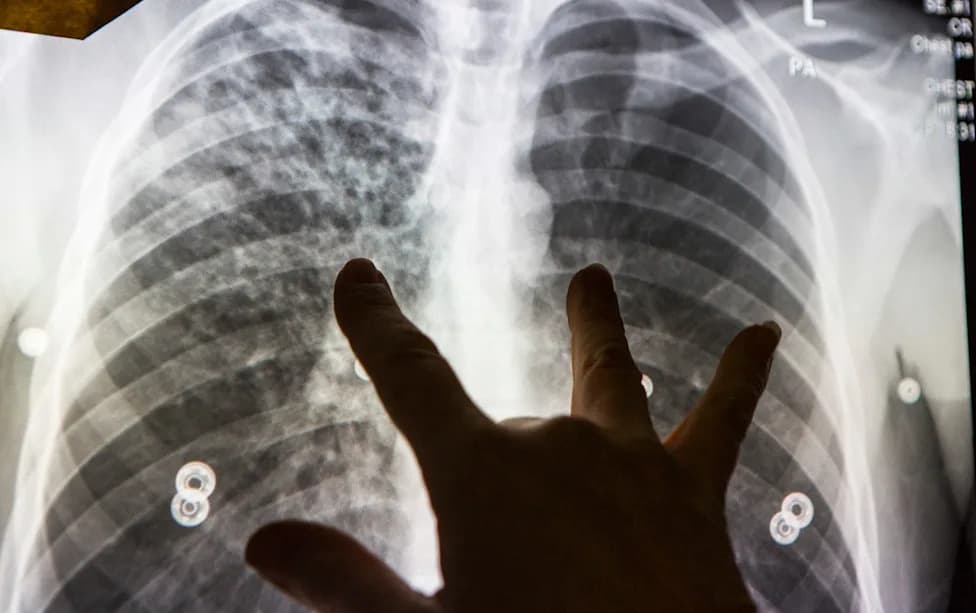
TB is the deadliest single infection globally - Andrew Aitchison/Corbis via Getty Images
Mixing sputum samples from several people into a single rapid molecular cartridge — a method called pooled testing — could dramatically lower the cost of tuberculosis (TB) diagnosis and expand access to rapid testing in low-resource settings, a large international trial reports.
Major Cost Savings With Minimal Extra Technology
The trial, published in The Lancet Global Health, compared individual rapid molecular testing with pooled testing of up to four participants per cartridge. Pooled testing used roughly half the diagnostic cartridges: 7,028 versus 14,362 for individual testing, and detected 84.9% of people with TB compared with 88.0% detected by individual testing.
Study Scale and Scope
Researchers enrolled more than 14,000 symptomatic participants across seven countries — Bangladesh, Brazil, Cameroon, Kenya, Malawi, Nigeria and Vietnam — demonstrating the approach in diverse epidemiological and health-system settings.
Why This Matters
Rapid molecular assays are the diagnostic gold standard because they detect Mycobacterium tuberculosis genetic material within hours. However, each sample requires a single-use diagnostic cartridge that costs around US$8, a barrier to wider deployment in many low-income health systems. Pooling makes smarter use of existing machines and cartridges so more people can receive rapid tests without large new investments.
'Pooled testing may be the only intervention in TB that can be scaled without new funding,' said Dr Lucica Ditiu, Executive Director of the Stop TB Partnership. 'Pooling needs no new technology. It makes smarter use of the machines and cartridges laboratories already have,' added Dr Tom Wingfield, the trial's chief investigator.
Trade-Offs and Operational Notes
Pooled testing requires retesting individual samples from any pool that returns a positive result. This produces a modest reduction in overall sensitivity (84.9% vs 88.0%) but yields large cartridge and cost savings. Programs must weigh this sensitivity trade-off against the potential benefits of testing far more symptomatic people with the same budget.
Complementary Tools and Next Steps
Experts also highlight portable chest X-rays with artificial intelligence as another promising tool to improve case finding in remote settings, though these technologies generally require extra funding for purchase and deployment. The World Health Organization reviewed the trial findings in advance of publication and advised that countries should consider pooled testing to expand diagnostic reach.
Given the urgent global need — TB remains the world’s deadliest single infectious disease, causing about 1.3 million deaths annually while millions of people with active TB remain undiagnosed — pooled testing offers a practical, low-technology strategy to close diagnostic gaps quickly.
Help us improve.