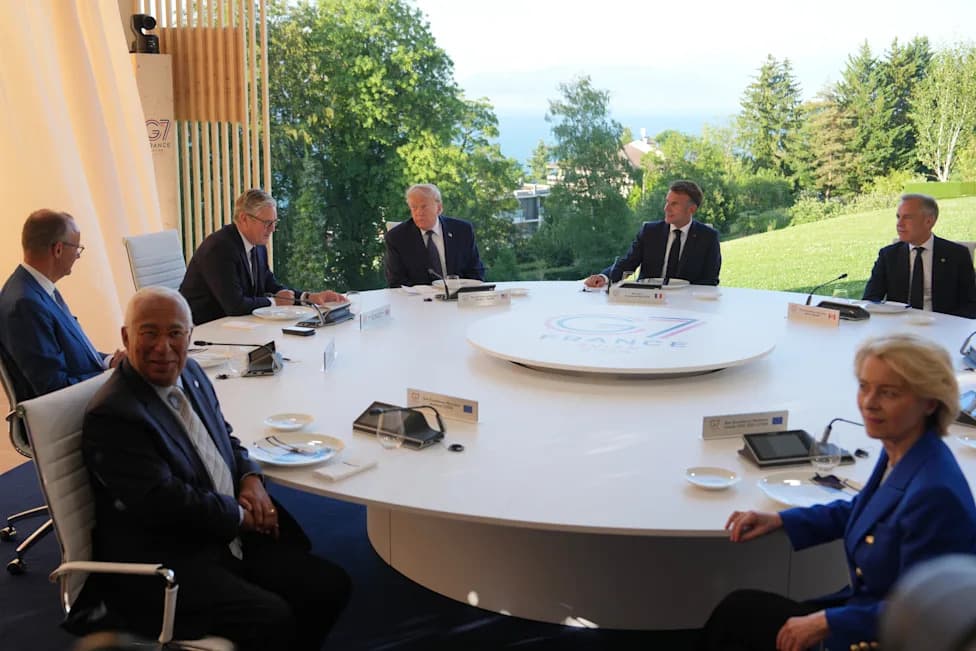
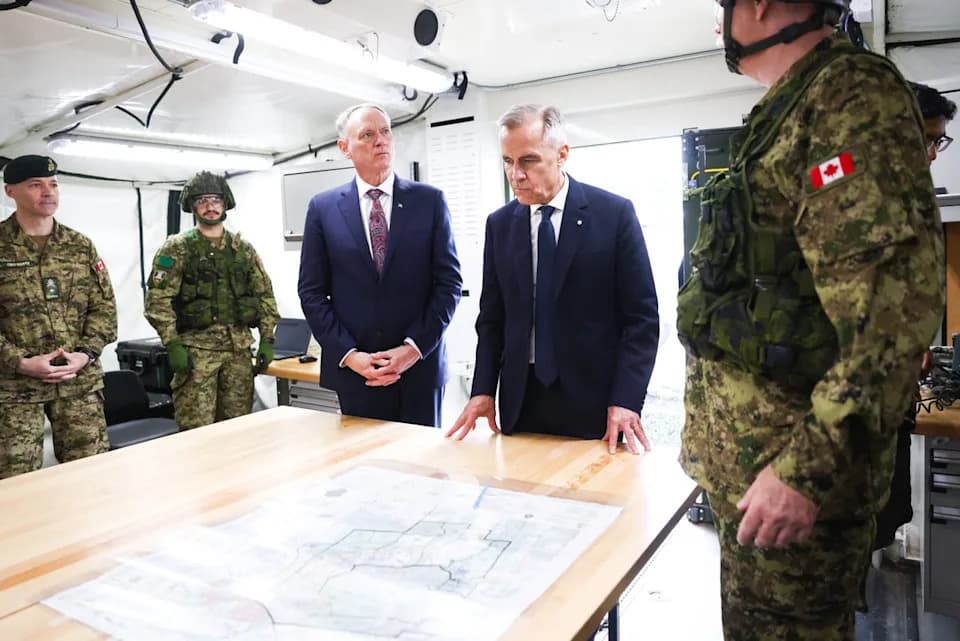
Former central banker Mark Carney briefly led prediction-market odds for the Nobel Peace Prize, peaking at roughly 14% on Kalshi before falling to about 5%. The move generated attention amid escalating tensions between the U.S. and Canada, including reciprocal tariffs on roughly $20 billion of trade. President Trump remained a distant contender on the market and has publicly criticized the Nobel Committee, while recent U.S. actions and rhetoric toward Iran have drawn scrutiny over casualties and claims of success in global peace efforts.
Mark Carney Briefly Tops Nobel Peace Prize Odds as U.S.–Canada Trade Rift Escalates
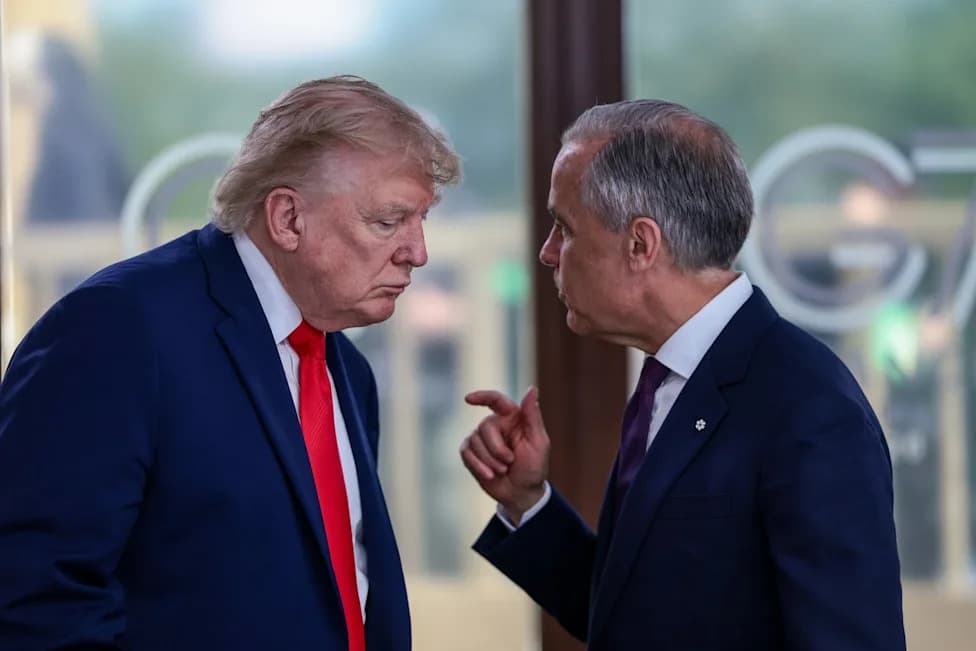
Canada could steal the one prize Trump wants most
Former central banker Mark Carney briefly emerged as a leading contender for this year’s Nobel Peace Prize, according to betting and prediction-market data—an outcome that drew attention amid growing tensions between the United States and Canada.
Sports-betting site Covers reported on Monday that data from the prediction market Kalshi had shown Carney with a roughly 14% chance of winning the prize on October 9, ahead of humanitarian organizations such as Doctors Without Borders and Sudan’s Emergency Response Rooms. By Monday evening, Kalshi’s odds for Carney reportedly fell to about 5%, while Doctors Without Borders and Sudan’s Emergency Response Rooms moved ahead. President Donald Trump was shown with approximatively a 2% chance on the same market.
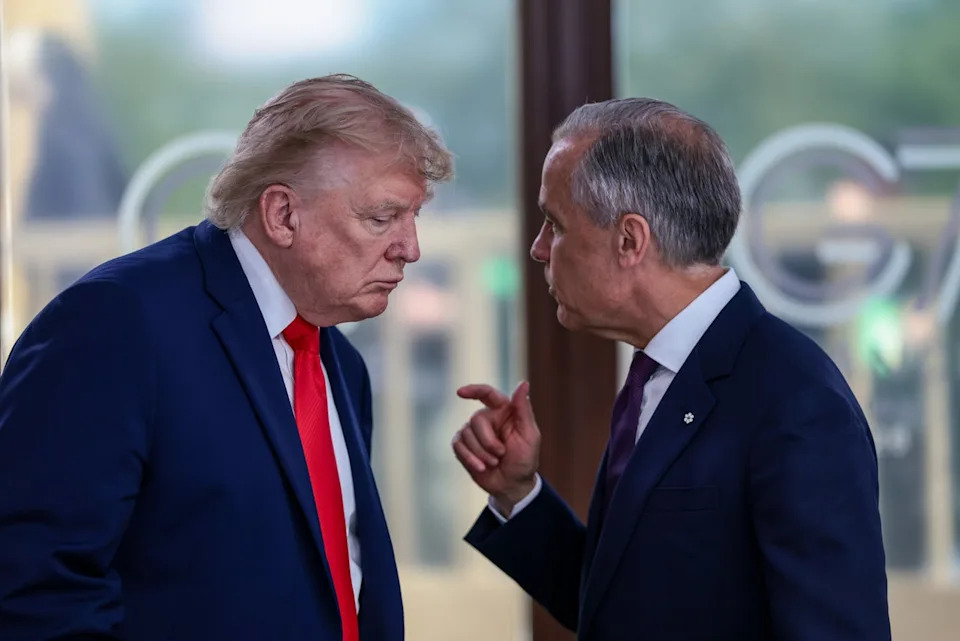
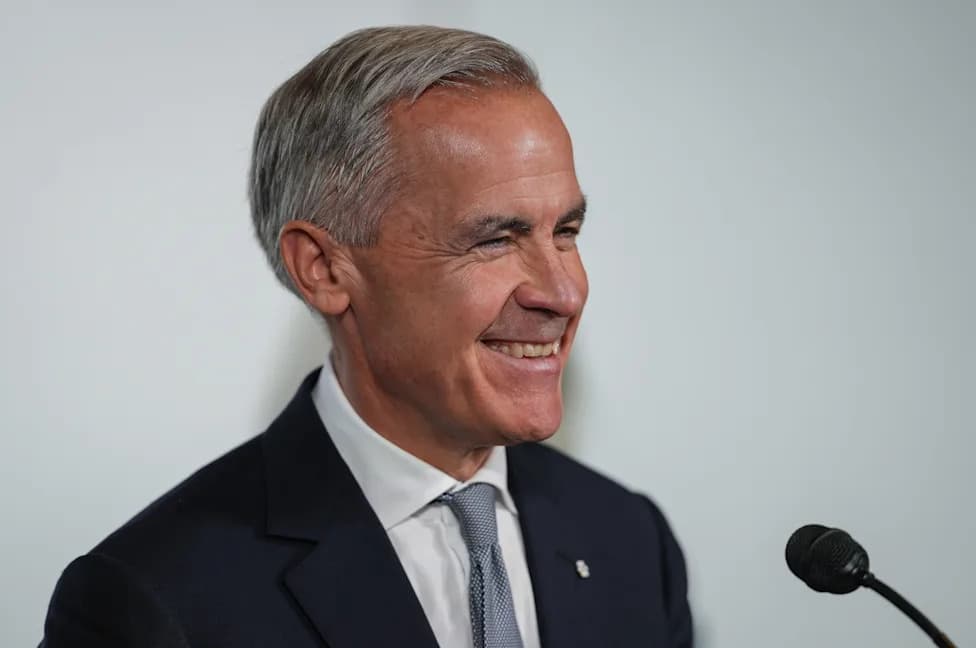
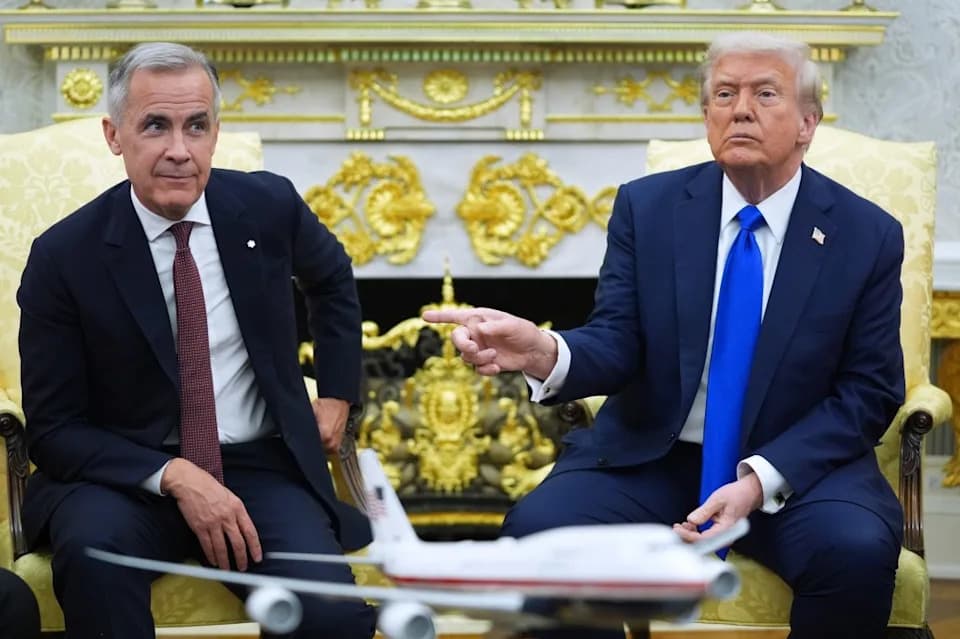
Canadian Prime Minister Mark Carney could steal the Nobel Peace Prize from Donald Trump after the president spent the year complaining about not receiving the award (Getty Images)
Who Is Mark Carney? Carney is a former governor of the Bank of Canada and the Bank of England and has been a prominent voice on global economic and political issues. He received a standing ovation at the World Economic Forum in Davos after criticizing tariff threats and arguing that middle powers can help shape a rules-based international order that respects human rights and sovereignty.
“Canada strongly opposes tariffs over Greenland and calls for focused talks to achieve our shared objectives of security and prosperity in the Arctic,” Carney said in Davos. He warned of a “rupture in the world order…where the large, main power, geopolitics, is submitted to no limits, no constraints.”
The odds movement on Kalshi reflects short-term market sentiment and should not be interpreted as an indication of how the Nobel Committee will decide. Prediction markets are sometimes volatile and can shift quickly in response to headlines.
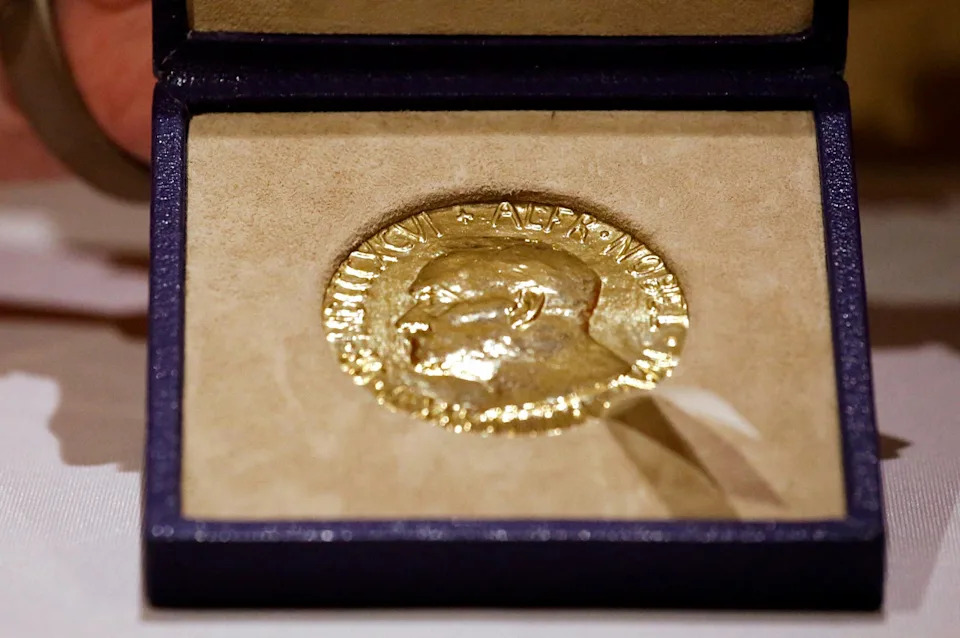
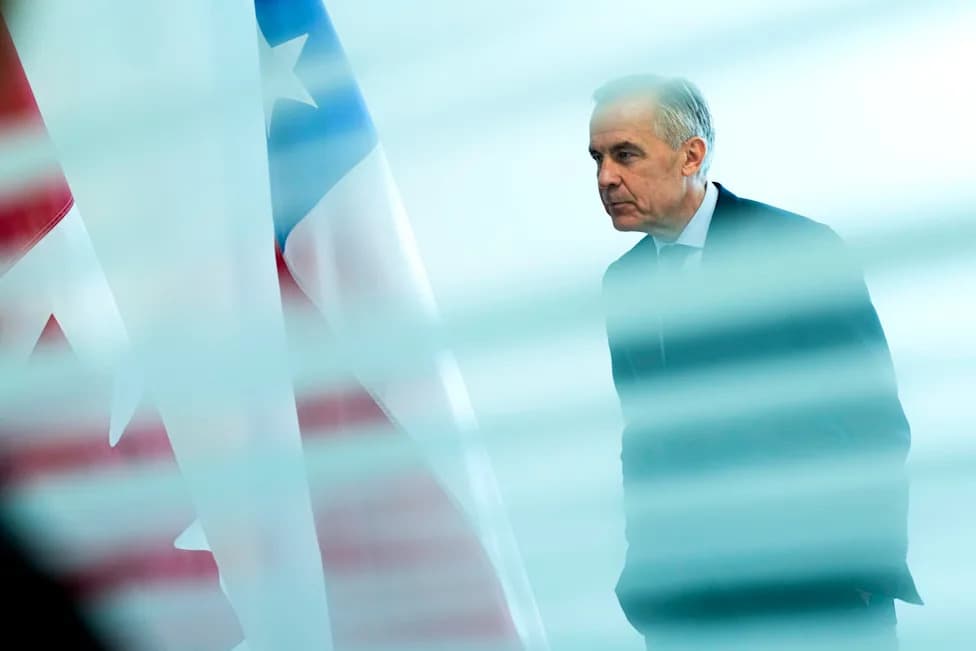
Carney had a 14 percent chance of taking the award, leading humanitarian organizations Doctors Without Borders and Sudan's Emergency Response Rooms, according to a Monday morning report, citing data from prediction market Kalshi (AFP via Getty Images)
Context: U.S.–Canada Tensions The developments come as relations between the United States and Canada have grown strained. The article cites reporting that the U.S. imposed a 50% tariff on roughly $20 billion of Canadian goods; Canada responded with equivalent, dollar-for-dollar tariffs on selected American products, including steel, electronics and dairy. Officials on both sides described the talks as fractious, and Canadian leaders characterized some U.S. negotiating positions as challenges to sovereignty.
Trump, Conflict With Iran And Nobel Claims The story also highlights President Trump’s repeated public complaints about not receiving the Nobel Peace Prize and his broader claims about resolving conflicts. The article quotes Trump’s Oval Office remarks asserting he had "ended eight wars" and lamenting that he had not been awarded the Nobel. It also references the administration’s military action and rhetoric toward Iran; publicly available Pentagon data and press reports were cited indicating that at least 19 American troops had died and that thousands of Iranians have been killed in the conflict, though casualty figures vary by source.
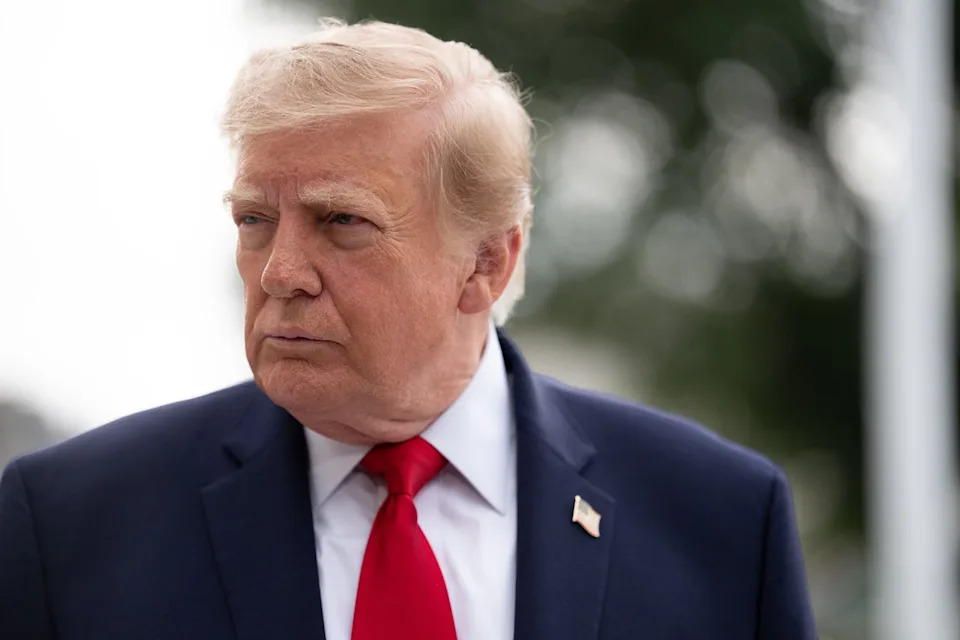
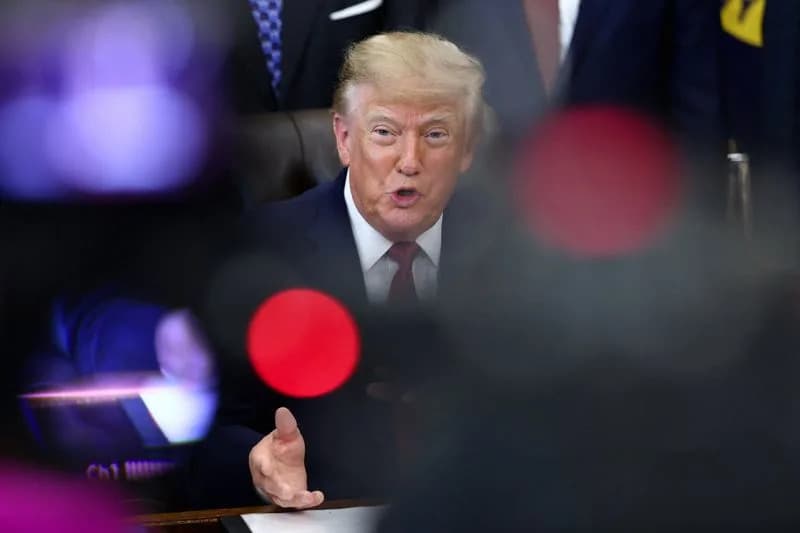
Trump has exaggerated his accomplishments in world peace while starting a war with Iran, saying the Middle Eastern country posed an 'imminent' threat to Americans because of its 'nuclear ambitions' (Getty Images)
Note on Accuracy Some claims in the earlier draft were inaccurate or unverified. Notably: Mark Carney is not Canada’s prime minister; he is a former central banker. Other specific assertions—such as a Nobel laureate presenting a medal to President Trump, executive orders renaming Lake Ontario, or statements about Canadian statehood proposals—could not be independently verified and appear to be erroneous or misreported in the original text. Where possible, this article corrects those errors and identifies which items are reported by particular outlets (e.g., Covers and Kalshi) or described in Associated Press coverage of trade actions.
Bottom Line: Carney’s temporary lead in prediction markets drew headlines, but odds shifted quickly and do not guarantee an award. The story is also a snapshot of larger diplomatic friction between the U.S. and Canada and the contentious international environment in which such prize speculation occurs.
Help us improve.