Experts say Donald Trump is unlikely to win this year’s Nobel Peace Prize amid tensions with Iran, but his lobbying could still shape the Norwegian Nobel Committee’s choice. Last year’s prize to Maria Corina Machado—and her later presentation of the medal to Trump—has made the committee cautious about selecting figures who might face political pressure. Potential laureates range from institutional picks like the ICC or ICJ to individuals such as Pope Leo or UN rapporteur Francesca Albanese, while safer humanitarian options include Sudan’s Emergency Response Rooms or Save the Children. The committee must weigh symbolic impact against the potential harm to any recipient; the winner will be announced on Oct. 9.
Trump Unlikely To Win Nobel Peace Prize, But His Pressure Could Shape The Committee's Choice
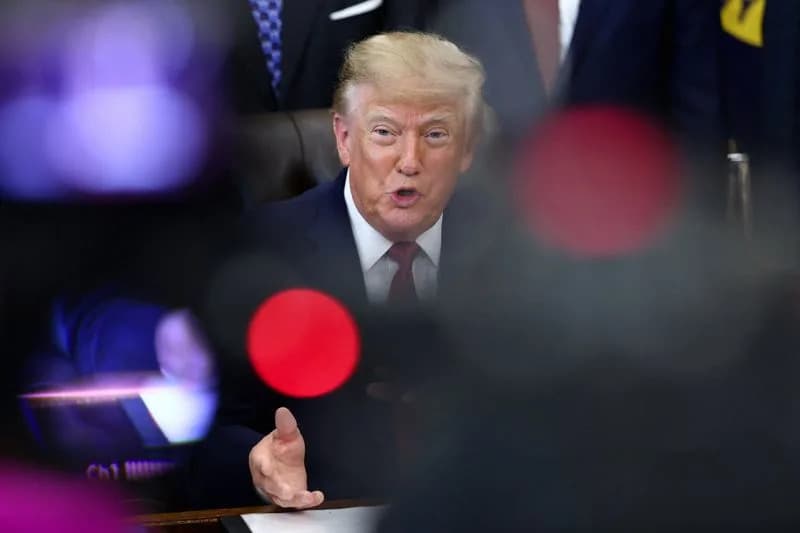
US President Donald Trump speaks in the Oval Office at the White House in Washington, D.C., US, September 30, 2026. REUTERS/Kevin Lamarque
OSLO, Oct 1 — US President Donald Trump is unlikely to win this year’s Nobel Peace Prize amid his confrontations with Iran, but experts say his lobbying and public pressure could still influence the Norwegian Nobel Committee’s decision.
Why the Committee Is Watchful
Last year’s award to Venezuela’s Maria Corina Machado—and her subsequent presentation of the Nobel medal to Trump—has left the five-member committee wary of selections that might make laureates vulnerable to political pressure. Haakon Gjerloew, acting director of the Peace Research Institute Oslo, told Reuters the committee will weigh whether any prize could do more harm than good to the intended recipient.
“One worry the committee might have is whether awarding it to someone could put them under pressure from Donald Trump ... I think the committee will consider whether the award does more harm than good.” — Haakon Gjerloew
Who Could Be Considered
Experts say the committee could look to figures or institutions considered resilient to pressure, or choose a less contentious laureate to avoid direct confrontation with Trump. Names and institutions discussed publicly include:
- Pope Leo — cited for his advocacy of dialogue, humanitarian work, and a recent encyclical on artificial intelligence; some commentators say he has spoken out against war and defended migrants' dignity.
- International Criminal Court (ICC) — an institutional award could signal support for international justice as Washington has threatened sanctions against the court.
- International Court of Justice (ICJ) — honoring the ICJ would underscore peaceful dispute resolution and respect for sovereignty.
- Francesca Albanese — the UN special rapporteur on the Occupied Palestinian Territories, who has faced criticism from the US and Israel for her assessments.
- Safer, Humanitarian Choices — groups such as Sudan’s Emergency Response Rooms, a grassroots aid network, or international NGOs like Save the Children, which focus on civilians in conflict zones.
Political Context And Reactions
Historian Oeivind Stenersen noted the committee faces pressure both to avoid rewarding a candidate likely to be bullied and to stand up for liberal democracy, human rights and international law. The Nobel announcement is scheduled for Oct. 9.
“They have a certain pressure ... to be tough against Trump,” Stenersen told Reuters. “In this serious international situation, this year calls for a Peace Prize in defence of liberal democracy, international law and human rights.”
Trump has reportedly been nominated by leaders of Cambodia, Israel and Pakistan, but experts, including Gjerloew, assess his chances as quite low. The former award events surprised many observers, including Nobel laureate Maria Ressa, who said she watched last year’s developments with “horror.”
“Bullies don't run the world. There are standards we live by. Might doesn't make it right.” — Maria Ressa
The committee will need to balance symbolic impact and practical protection for recipients when choosing a laureate, analysts say—deciding whether to take a bold stance in defence of international norms or pick a safer, less controversial honoree.
Help us improve.