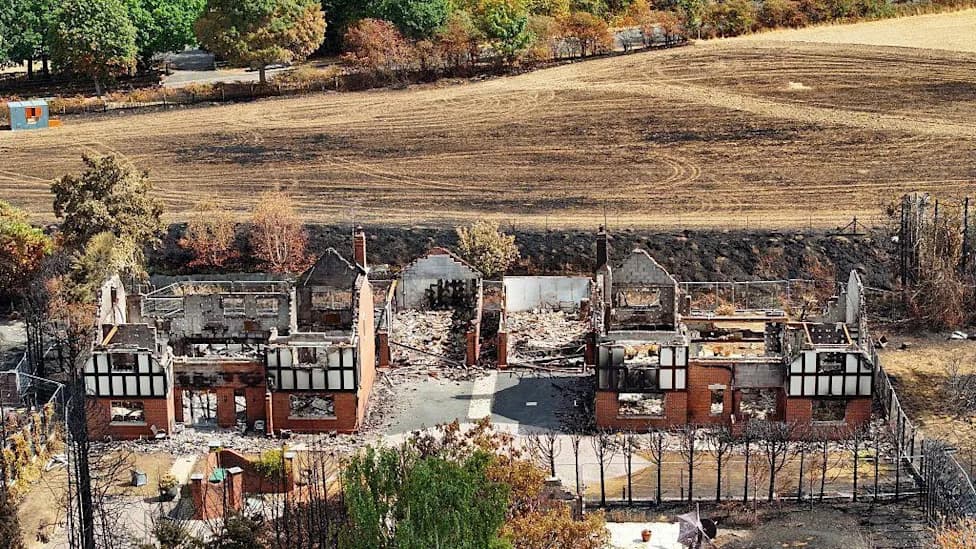
Reports of roads softening or melting in the East of England have risen 67% over three years, with more than 200 heat-related incidents recorded region-wide in the past four years. Comparable figures from eight authorities show cases rose from 33 in 2023–24 to 55 in 2025–26, with notable increases in Suffolk and Norfolk. Experts say many UK roads were built for cooler climates and are vulnerable to sustained high temperatures; councils are trialling new materials and using temporary measures like granite dust while the DfT funds resilience work.
Heatwave Damage: Reports of Roads Melting in East of England Jump 67% Over Three Years
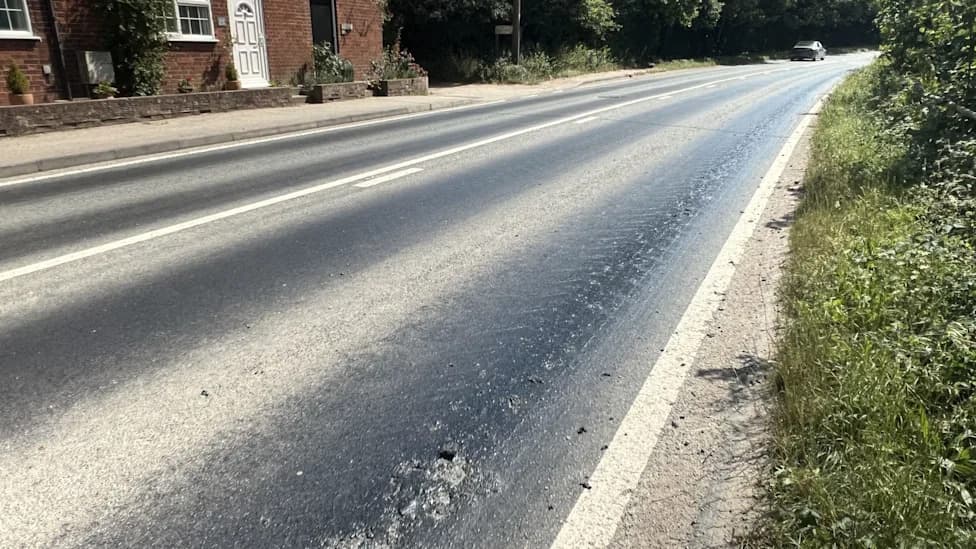
The region's highways authorities reported more than 200 cases of melting roads in the past four years [Richard Daniel/BBC]
Reports of road surfaces softening and melting across the East of England have risen sharply in recent years, exposing weaknesses in infrastructure designed for cooler conditions. Data obtained by the BBC show more than 200 heat-related road incidents region-wide over the past four years, and comparable figures from eight local authorities indicate cases rose from 33 in 2023–24 to 55 in 2025–26.
What Happened
Earlier this year the A143 at Stanton, near Bury St Edmunds in Suffolk, was closed as an emergency after drivers reported patches of asphalt being lifted by vehicles; this was the second such report on that stretch in a single year. The Stanton incident is one of dozens documented across the region following a freedom-of-information request to highways authorities.
Regional Breakdown
Details supplied by local authorities include:

Planned maintenance programmes work out cheaper than fixing potholes on an ad-hoc basis, according to Sue Percy [BBC]
- Suffolk: Reported incidents rose from 3 to 8 in the period noted and recorded a further eight heat-related events this summer.
- Norfolk: "Dustings"—where gritters spread sand or stone to help prevent tarmac softening—increased from 29 to 46.
- Buckinghamshire: Did not provide a year-by-year breakdown but recorded 59 related cases since April this year.
- Essex: One incident in 2024–25 and one in 2025–26, plus six additional cases since April this year.
- West Northamptonshire: Two incidents in the past three years; North Northamptonshire said it does not hold comparable data.
- Cambridgeshire, Hertfordshire and Thurrock: Reported no incidents in the past three years.
Why Roads Are Vulnerable
Experts say many UK roads were originally constructed for cooler, winter-dominated climates rather than sustained periods of extreme heat. Dr Mashael Kamran, a post-doctoral research associate at the University of Cambridge, explains:
"When air temperatures reach 30°C (86°F), the layers beneath the road surface can rise to around 50°C (122°F). Heavy-duty traffic on top of that can lead to rutting and surface deformation."
Budget pressures have also pushed many authorities toward surface dressing or patch repairs rather than full carriageway relays—short-term fixes that leave surfaces more susceptible during heatwaves.
Responses and Mitigation
Local authorities are using temporary measures such as spreading granite dust and light grit dustings during extreme heat to reduce surface softening. Many councils and industry partners are trialling new materials and treatments intended to perform better across a wider temperature range.
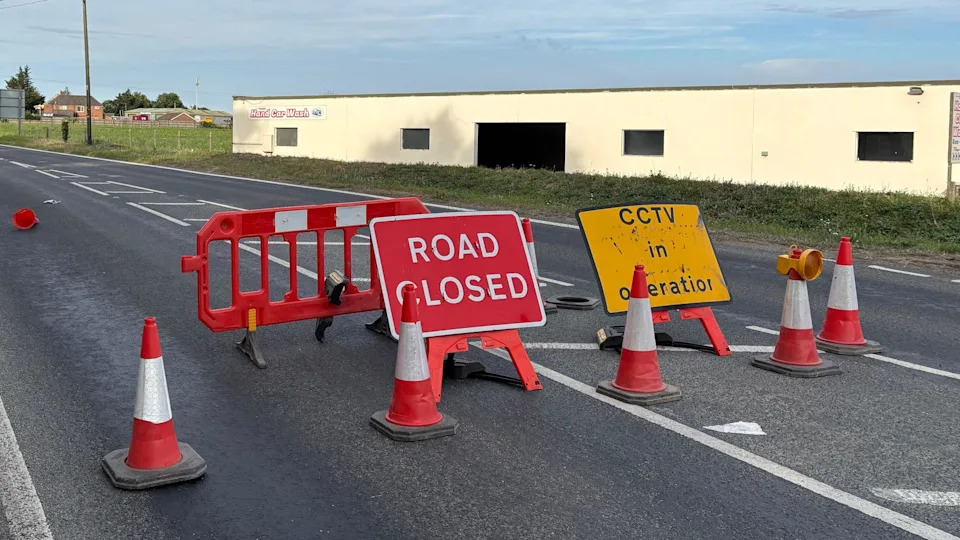
In response to the BBC's request for information, the region's highways authorities reported more than 200 cases of melting roads in the past four years [Luke Deal/BBC]
The Chartered Institute for Highways and Transportation (CIHT) warns that road surfaces commonly reach 40–50°C when air temperatures are around 30°C, and some surfaces begin to soften above 50°C. CIHT CEO Sue Percy said:
"Climate disruption is no longer a future challenge. Highway authorities and transport operators are already seeing the effects of higher temperatures and more extreme weather on the transport network."
Government Action
The Department for Transport (DfT) said it recognises the impact of extreme heat on the road network and is supporting local authorities with guidance, tools and resources. It highlighted a record investment of £7.3 billion in local highway maintenance to help improve resilience.
Implications
The rise in heat-related road damage highlights the need for longer-term planning, targeted investment, and the adoption of materials and maintenance regimes better suited to hotter summers. Experts stress that planned maintenance and strategic relaying can be more cost-effective than repeatedly repairing heat-damaged surfaces.
Sources: BBC freedom-of-information data, statements from Suffolk County Council, University of Cambridge researcher Dr Mashael Kamran, CIHT, and the Department for Transport.
Help us improve.