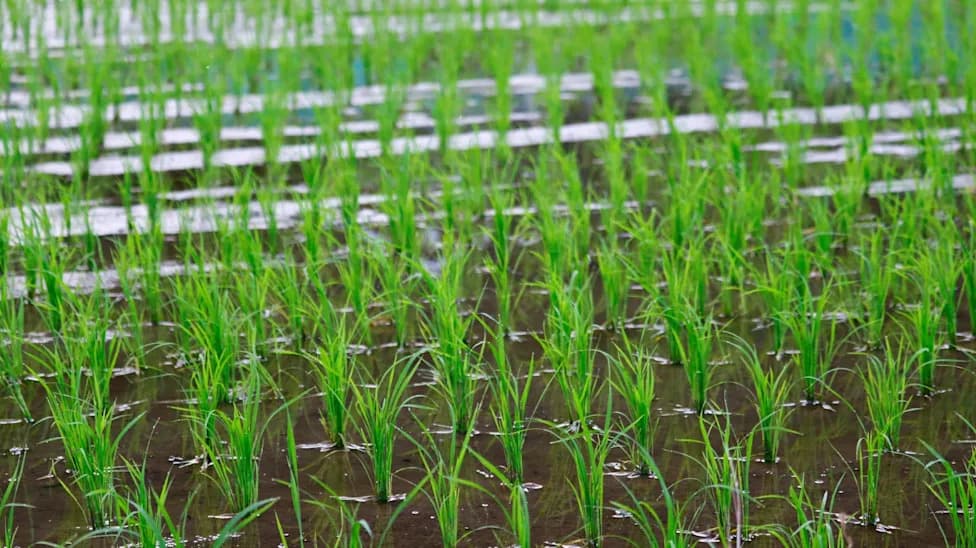
The Beal Seed Experiment, begun in 1879 by botanist William James Beal, involves 20 buried bottles each containing over 1,000 seeds that are exhumed on a long-term schedule to test viability. Now managed by Michigan State University, the study has produced 147 years of data on which seeds survive decades in soil and how to revive dormant embryos. The findings inform seed-bank management, crop resilience strategies and research into genetic and environmental factors that determine seed longevity.
The Beal Seed Experiment: 147 Years of Uncovering How Seeds Survive Time
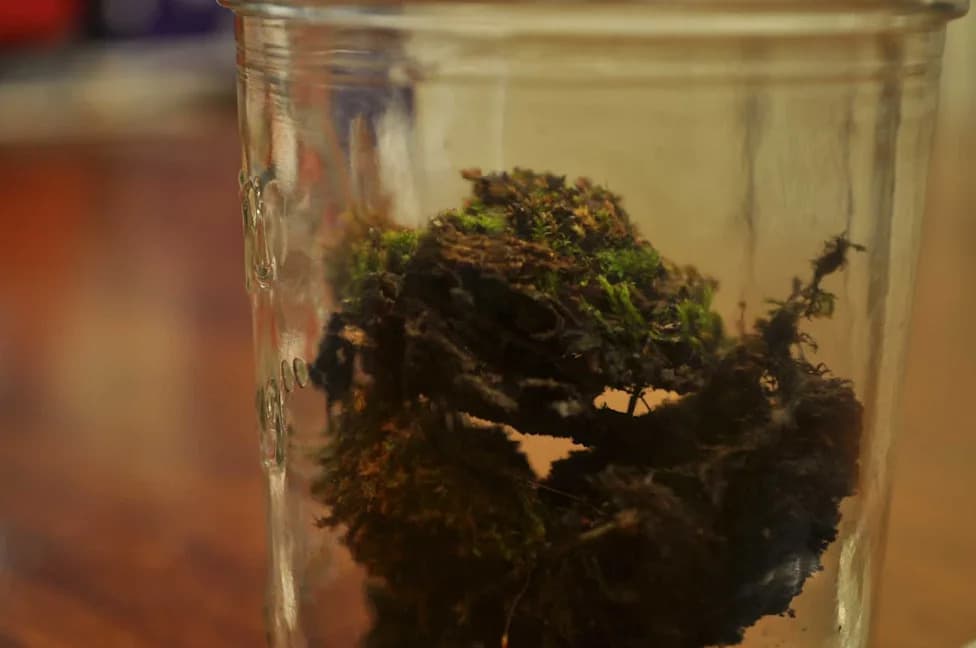
One of the world's longest running experiments will run another nearly 80 years.
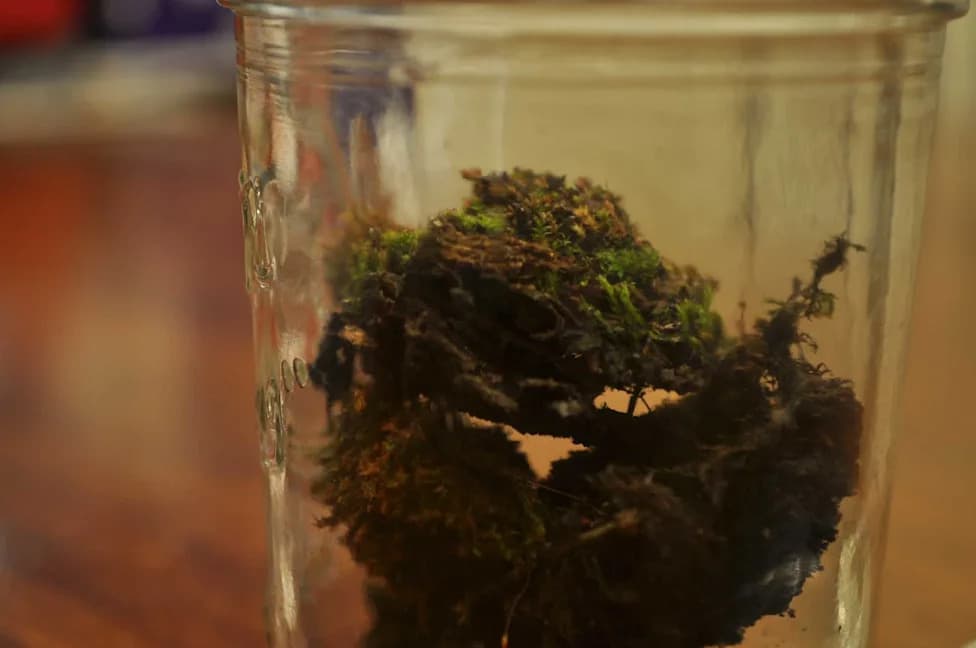
In 1879 botanist William James Beal began an extraordinary long-term study to answer a simple but vital question: how long can seeds remain viable while buried in soil? To find out, Beal buried 20 open bottles in the ground. Each bottle contained 50 seeds from 21 plant species—more than 1,000 seeds per bottle—mixed into sand. The bottles were arranged to admit some moisture and soil contact without flooding, providing enough dampness to preserve seeds without encouraging germination.
How the Experiment Works
Beal originally planned to open a bottle every five years. After his retirement the schedule changed: the interval was extended first to 10 years and then to 20 years. The project continues today and is scheduled to run until the final bottle is opened around the year 2100. The experiment is now overseen by researchers at Michigan State University, and the most recent bottle was exhumed in 2021 after a one-year delay caused by the COVID-19 pandemic.
Field Methods and Revival Techniques
When a bottle is dug up, scientists plant recovered seeds in fresh soil to test germination. The hardiest survivors are often what we call weeds; many cultivated species prove more fragile. If seeds do not sprout immediately, researchers apply targeted treatments designed to simulate natural cues that break dormancy—cold stratification to mimic winter, exposure to smoke or charred wood compounds to mimic post-fire conditions, and other experimental stimuli.
Beal Botanical Garden: "Some ungerminated seeds recovered in these experiments may still be viable but simply have not experienced the exact combination of environmental cues needed to sprout."
Why It Still Matters
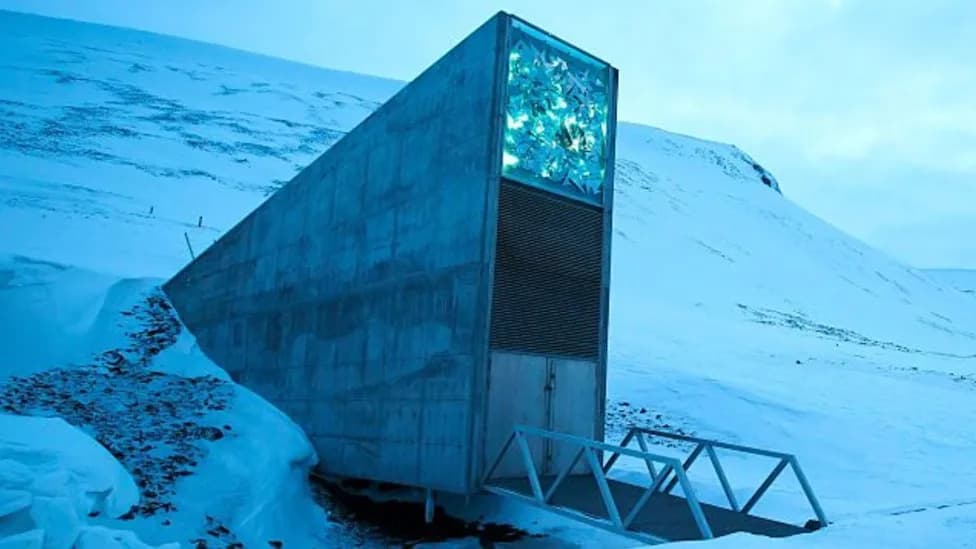
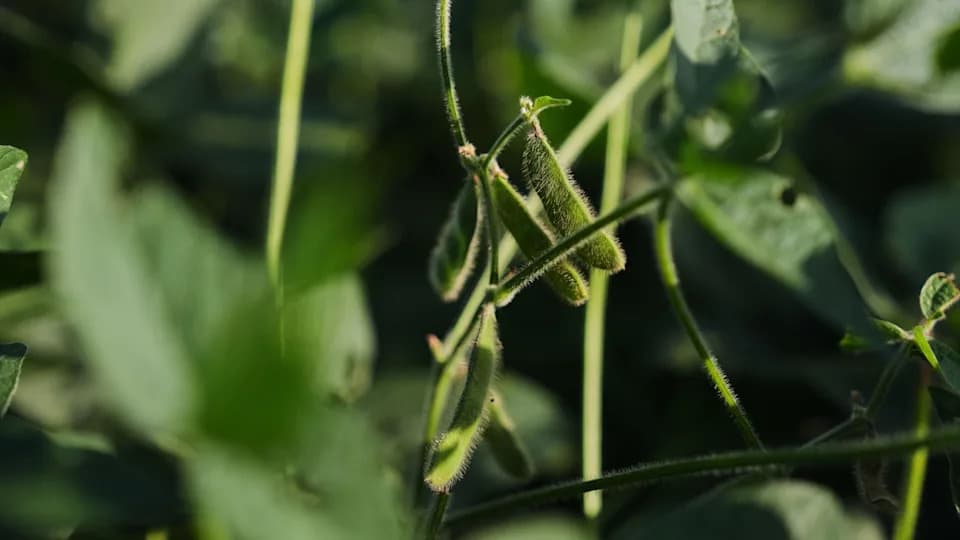
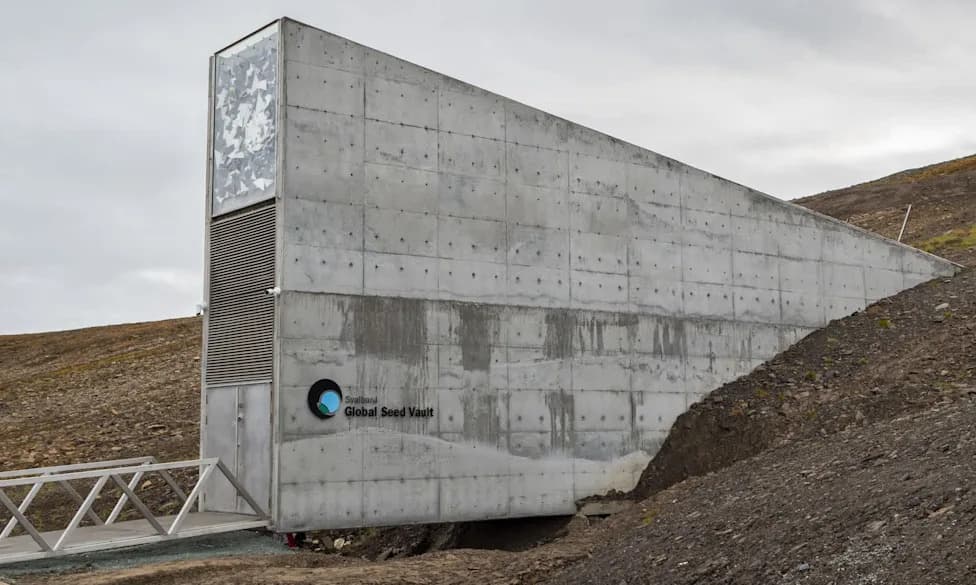
The Beal Seed Experiment is more than a historical curiosity: it provides unique, century-scale data on seed longevity in real soil conditions. Understanding the physical and molecular traits that allow seeds to survive decades underground helps seed-bank management, conservation of plant genetic diversity, and efforts to breed or engineer crops that withstand changing climates. Insights from the experiment point to genetic targets and storage strategies that could improve food security as global weather patterns shift.
Rarity and Opportunity
With only a few bottles left in the ground, each scheduled excavation—such as the one expected around 2040—represents a rare, once-in-a-lifetime opportunity for researchers. Over its long history the project has passed through multiple stewards, but it continues to produce real-world evidence on how seeds persist across decades and what it takes to revive them.
Note: This article has been updated to improve clarity and fix duplicated attribution lines in earlier versions.
Help us improve.