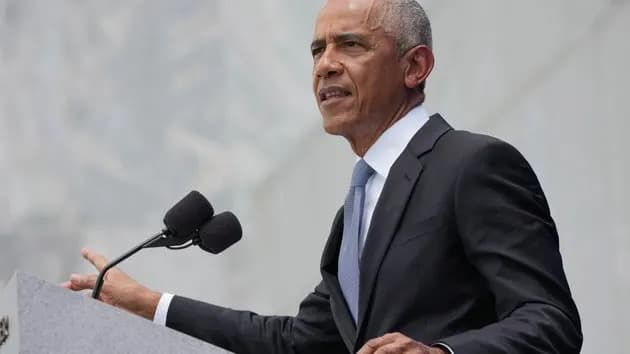
Chamath Palihapitiya told listeners of the All-In Podcast that President Obama’s calls to regulate AI are effectively an attempt to "freeze" today’s industry leaders in place. He warned that three to six firms could accrue roughly $10 trillion in value, much of which may be funneled into donor-advised funds, philanthropy and PACs. Palihapitiya argued this would disproportionately benefit left-leaning companies and the Democratic political ecosystem, framing regulation as a political strategy rather than a policy solely aimed at public prosperity.
Chamath Palihapitiya: Obama Wants To 'Freeze' AI Winners, Claiming It Would Favor Democrats
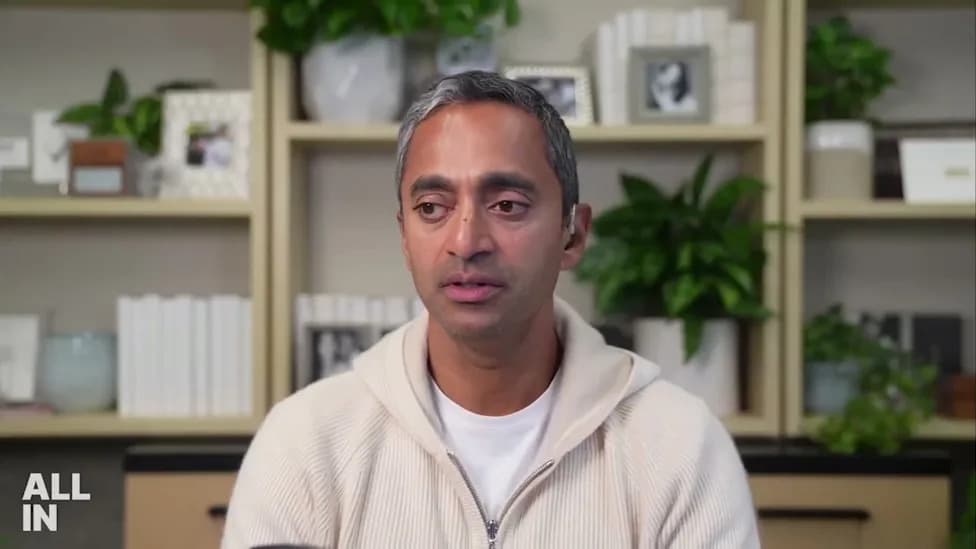
Chamath Palihapitiya: Obama Wants to Freeze Today's AI Winners in Place To "Help Democrats Win Power"
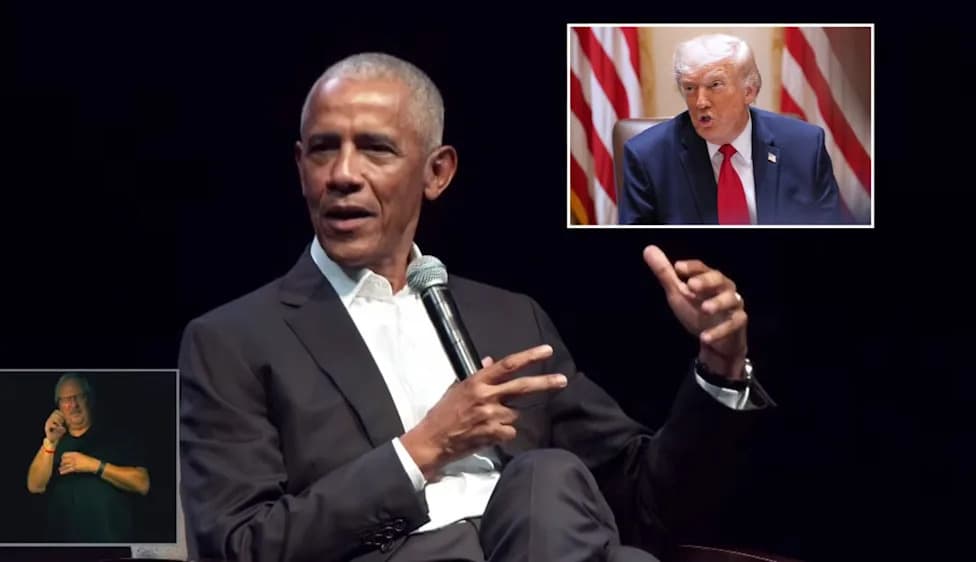
Chamath Palihapitiya, host of the All-In Podcast, sharply criticized President Barack Obama’s recent comments about regulating artificial intelligence, arguing they amount to an effort to "freeze-frame" the industry and lock in today’s leading companies. Palihapitiya warned that "three, four, five, six companies" could capture roughly $10 trillion in value and that much of that wealth will be routed into philanthropy and political channels.
Palihapitiya’s Main Argument
Palihapitiya said the concentration of AI-related wealth will disproportionately benefit companies that he believes are "overwhelmingly left-leaning." He argued that a large share of new wealth will flow into donor-advised funds (DAFs), foundations, PACs and political movements, and that these flows would then be used to support Democratic causes and candidates.
"We are about to endow three, four, five, six companies with about $10 trillion of wealth... It's going to go into PACs. It's going to go into political movements, and they stand to disproportionately benefit. So this has nothing to do with prosperity. This is a very simple political calculus."
Context And Caveats
These comments reflect Palihapitiya’s interpretation of President Obama’s calls for AI regulation. Supporters of regulation contend that managing AI risks—such as safety, security and fairness—warrants coordinated policy action. Palihapitiya frames the debate as political: he claims regulation would preserve the current market leaders and their influence rather than broadly distributing economic benefits.
Bottom line: Palihapitiya presents a political critique of AI regulation, warning of concentrated wealth, political influence via philanthropy and PACs, and a potential advantage for left-leaning organizations. Readers should understand these are his assertions and a point of view in an ongoing public debate about how to govern rapidly advancing AI technologies.
Help us improve.