Former President Barack Obama is privately urging Democrats considering 2028 runs to develop detailed AI policy plans, warning the technology could transform jobs, national security and democratic life. He has consulted with prospective candidates, AI executives and experts from companies such as OpenAI, Google and Anthropic. Obama favors a serious regulatory framework — comparing AI oversight to food and aviation standards — and calls for informed public debate as candidates craft their positions.
Obama Urges 2028 Democratic Hopefuls To Publish Detailed AI Plans As Stakes Rise
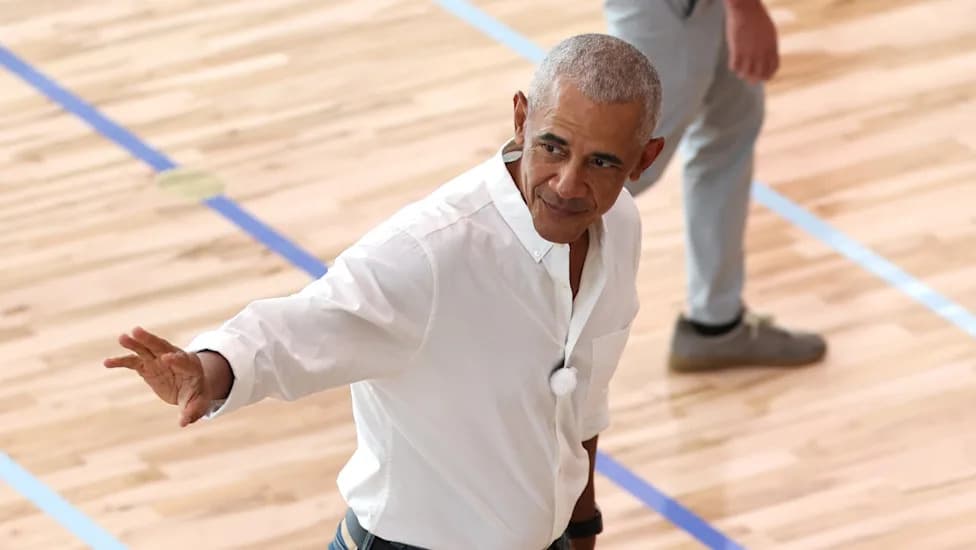
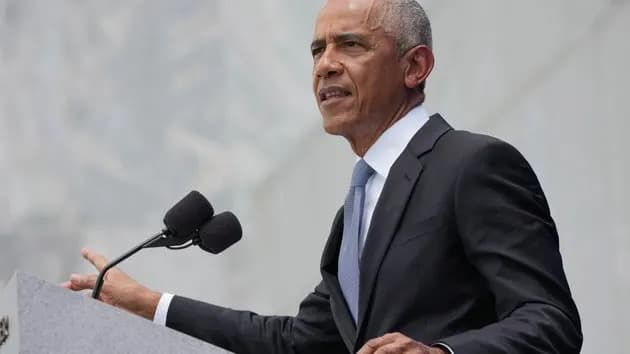
CHICAGO, ILLINOIS - JULY 24: Former U.S. President Barack Obama waves to players at Obama Presidential Center on July 24, 2026 in Chicago, Illinois. NOTE TO USER: User expressly acknowledges and agrees that, by downloading and or using this photograph, User is consenting to the terms and conditions of the Getty Images License Agreement. (Photo by Geoff Stellfox/Getty Images)
Former President Barack Obama is privately urging Democrats who may run for president in 2028 to prepare detailed policy plans for artificial intelligence, warning that the technology could reshape jobs, national security, children's lives and democratic institutions.
According to CNN, Obama has been speaking with prospective Democratic candidates as well as AI executives, academics and other technology experts while the party debates how much regulation is needed. Since leaving the White House he has devoted increasing attention to AI and is encouraging Democrats to treat it as both a policy and political priority.
He has met with leaders from OpenAI, Google and Anthropic and discussed the technology's implications with potential 2028 contenders. Rather than promoting a single proposal, Obama has urged prospective candidates to gain a clear understanding of the technology and to outline frameworks for responding to its likely effects.
Why It Matters
Obama's senior adviser Eric Schultz told CNN that the former president believes the scale of the disruption requires an informed public debate.
'Its effects on our economy and our democracy will depend on the choices we make,' Schultz said.Obama has described the need for a serious regulatory framework, likening AI oversight to federal standards that govern food safety and aviation.
During a September appearance at Colgate University, Obama questioned why some AI applications would require systems that operate broadly across the internet when other technological goals might be achievable without that scope — a point that highlights trade-offs between innovation, safety and control.
The conversation is unfolding as potential Democratic presidential candidates solidify their positions on a rapidly evolving technology. Former FTC Chair Lina Khan has urged policymakers to consider near-term impacts — including data-center demands on electricity and water and how AI is changing everyday services — in addition to longer-term risks such as large-scale automation and threats to democratic processes.
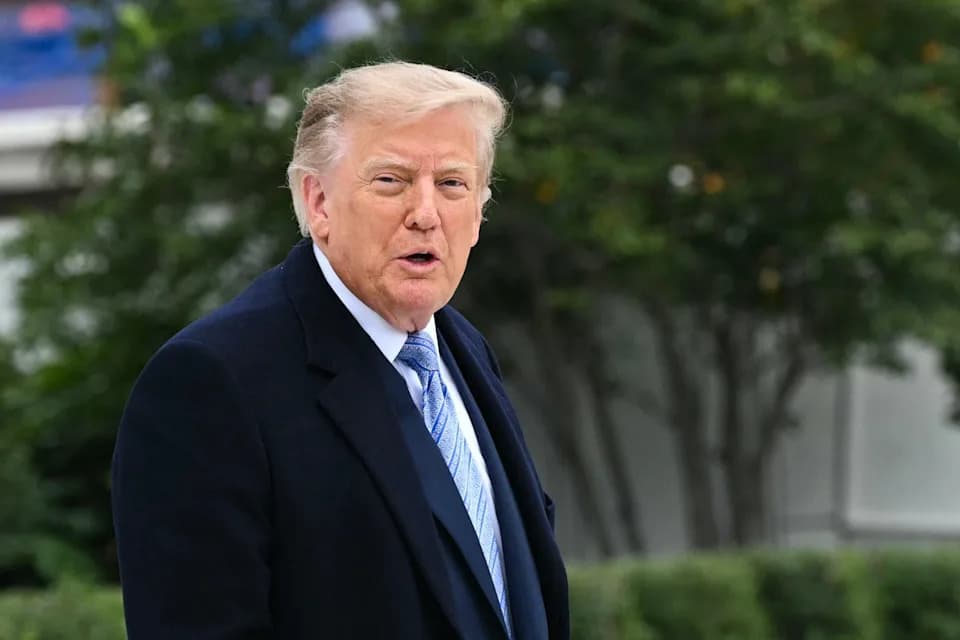
Politically, the debate aligns with a wider split in Washington: President Donald Trump favors a voluntary, industry-led approach, while many Democrats and some technology leaders call for stronger safeguards and enforceable rules.
What Comes Next
As the 2028 cycle approaches, potential candidates are likely to present competing AI frameworks that balance innovation, economic impact and national-security considerations. Obama's push for detailed plans signals that AI policy may become a central issue in Democratic primary debates and broader national discourse.
Help us improve.