U.S. District Judge Robert Pitman ordered Texas prisons to implement air conditioning for all incarcerated people by the end of 2029 after a civil-rights lawsuit sparked by Bernie Tiede’s 2023 stroke. The author — a nearly 30-year incarcerated Texas resident — describes decades of heat-related illness and death, citing a study that identified at least 271 heat-related prison deaths from 2001–2019. Despite limited mitigation efforts and some AC installations, tens of thousands remain without cooling; advocates say the ruling is a crucial step but expect legal and political challenges ahead.
Texas Ruling Orders Air Conditioning For All Prisoners By 2029 After Years Of Deadly Summers
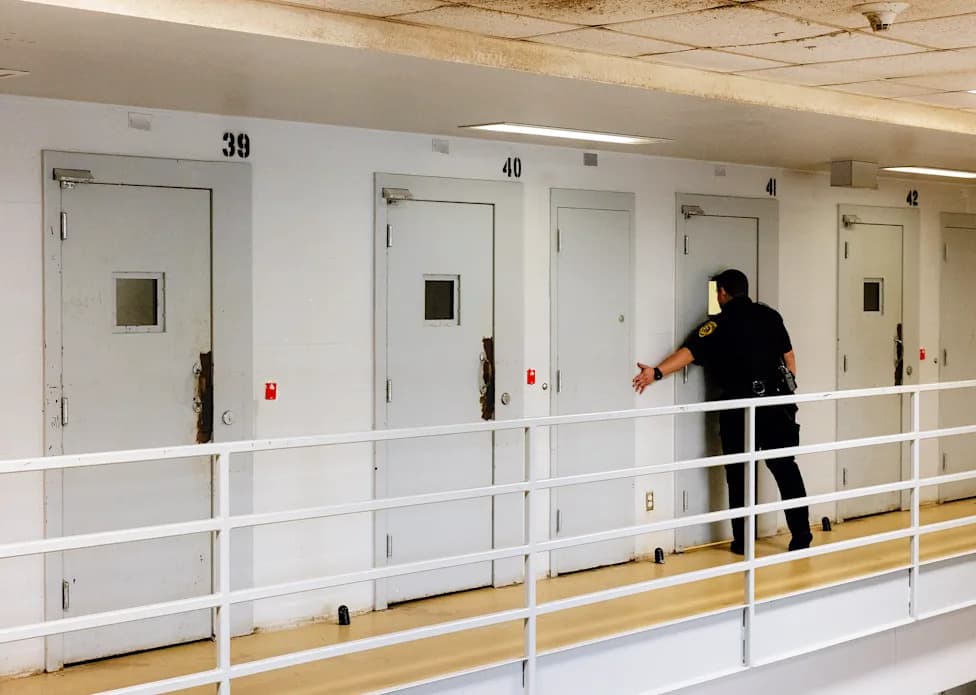
A sheriff's deputy makes routine checks on inmates in their cell at the Bexar County Adult Detention Center on on Feb 27, 2025, in San Antonio, Tx.
U.S. District Judge Robert Pitman has ordered Texas prison officials to design and implement a plan to provide air conditioning to the entire incarcerated population by the end of 2029 — a landmark step after decades of heat-related suffering and deaths behind prison walls.
The Lawsuit And The Ruling
In summer 2023, 65-year-old Bernie Tiede, a former mortician serving a life sentence, suffered a stroke while housed in a non–air-conditioned Texas cell. Supported by high-profile advocates including director Richard Linklater and actor Matthew McConaughey, Tiede filed a civil-rights lawsuit seeking air conditioning across the state prison system. More than 21 other incarcerated people and multiple criminal-justice organizations joined the litigation. This week, their efforts led to Judge Pitman’s order requiring an immediate plan to bring AC to all incarcerated people by the close of 2029.
Firsthand Accounts: Heat As A Longstanding Health Crisis
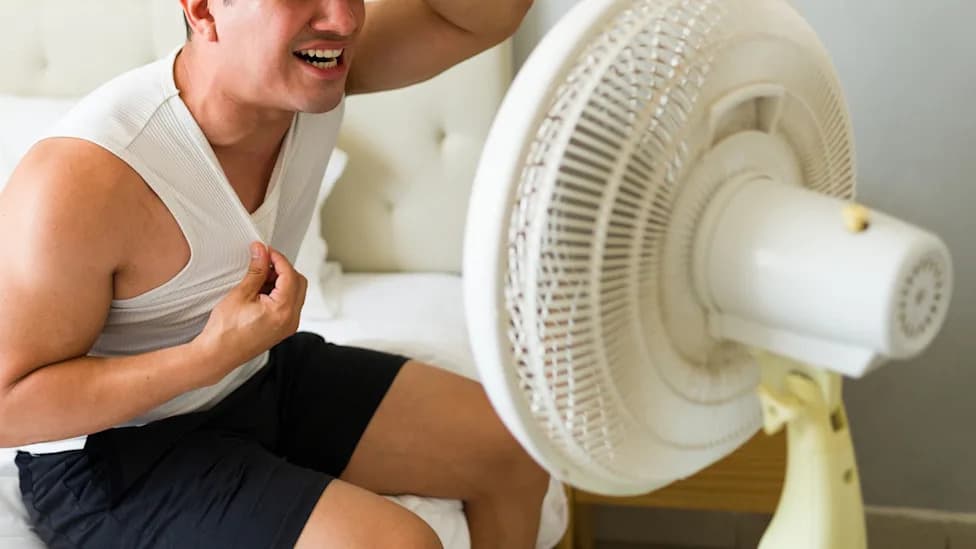
The author, who has spent nearly 30 years in Texas prisons, recounts seeing fellow inmates faint and, in some cases, die from heat-related illness. Survival tactics ranged from soaking clothing to flooding cell floors and lying in minimal clothing to stave off unbearable temperatures. Summer uniforms exist but must be purchased by incarcerated people, leaving many stuck in heavy, hot standard-issue garments.
Data And Documented Fatalities
A collaborative study by researchers at Brown, Boston and Harvard universities found at least 271 heat-related deaths inside Texas prisons between 2001 and 2019; 10 of those occurred during the 2011 heat wave. National reporting has shown that more than a third of U.S. detention facilities experience, on average, over 50 days per year with a heat index above 90°F — conditions the National Weather Service says warrant extreme caution (90°F+) and become dangerous above 105°F.
Tragic Case: Jace Coones
The July–August 2020 heat wave claimed Jace Coones, incarcerated at the Wallace Unit in Colorado City, Texas. According to a wrongful-death lawsuit filed by his family, Coones complained of dehydration and lack of cooling measures — no fan, no ice water, no daily cool showers — but was returned to an overheated cell. Three days later he was found dead, having lost 24 pounds in 72 hours and left beside untouched food trays.
Policy, Mitigation Attempts And Current Capacity
After litigation and advocacy, prison officials introduced heat-mitigation policies (May–October): extra water and showers, permission to wear seasonal clothing, and access to cooling items via commissary. These measures, however, have proven inadequate amid intensifying and prolonged heat waves. The Texas Department of Criminal Justice currently reports approximately 53,676 air-conditioned beds, with plans to add about 7,000 — leaving roughly 80,000 incarcerated people without climate control in a system that holds nearly 140,000 people.
Legal Hurdles And Political Resistance
While the Eighth Amendment protects against cruel and unusual punishment, courts have long ruled that the Constitution does not guarantee comfortable prisons; successful legal claims typically require proof of "deliberate indifference" by officials to known health risks. Politically, opponents have framed air conditioning as soft on crime, and state leadership has resisted wide-scale mandates. Alvaro Hernandez, a longtime jailhouse lawyer incarcerated in Texas, cautioned that favorable district-court rulings have been overturned on appeal and questioned whether the 5th Circuit will uphold Pitman’s order.
What This Ruling Means
For advocates and incarcerated people with chronic illnesses, the ruling offers hope for safer summers and a precedent for recognizing heat relief as a basic human need rather than a luxury. It does not reverse climate change, but implementing universal air conditioning could reduce preventable suffering and deaths and mark a meaningful shift toward more humane treatment of a marginalized population.
Note: The litigation could face appeals and political pushback. Implementation details and timelines will determine how quickly the ordered protections translate into on-the-ground relief.
Help us improve.