A cross-sectional survey of 2,252 adults found that players of The Legend of Zelda: Breath of the Wild and Yoshi's Crafted World reported lower loneliness and higher stoicism than nonplayers. Researchers suggest open-world mechanics may foster persistence and self-reliance while gentle platformers support calm attention — together forming a "digital diet." The study used a convenience sample and cannot prove causation; authors call for longitudinal and randomized trials and caution that games are not a substitute for professional mental-health care.
Playing Solo, Not Necessarily Lonely: Survey Links Zelda and Yoshi Games With Lower Loneliness and Greater Stoicism

Adults who played Zelda and Yoshi games reported less loneliness, though the study cannot prove the games caused it. (CREDIT: Shutterstock)
A survey of 2,252 adults suggests that solitary play in two well-known single-player games — The Legend of Zelda: Breath of the Wild and Yoshi's Crafted World — was associated with lower self-reported loneliness and higher scores on a measure the researchers call "stoicism," compared with nonplayers. The authors propose that open-world challenges and gentle, exploratory platformers may encourage different forms of emotional resilience when played alone.

Link, ready to keep exploring as the sun rises in The Legend of Zelda: Breath of the Wild (reproduced with permission from Nintendo). (CREDIT: JMIR Serious Games)
What the Study Did
Between November and December 2025, three trained research assistants recruited adults (21+) outside a busy video-game store in a shopping mall. A brief survey (under seven minutes) yielded 2,300 responses; after removing 48 incomplete questionnaires, the final sample included 2,252 participants (966 women, 1,281 men, and five who did not disclose sex).
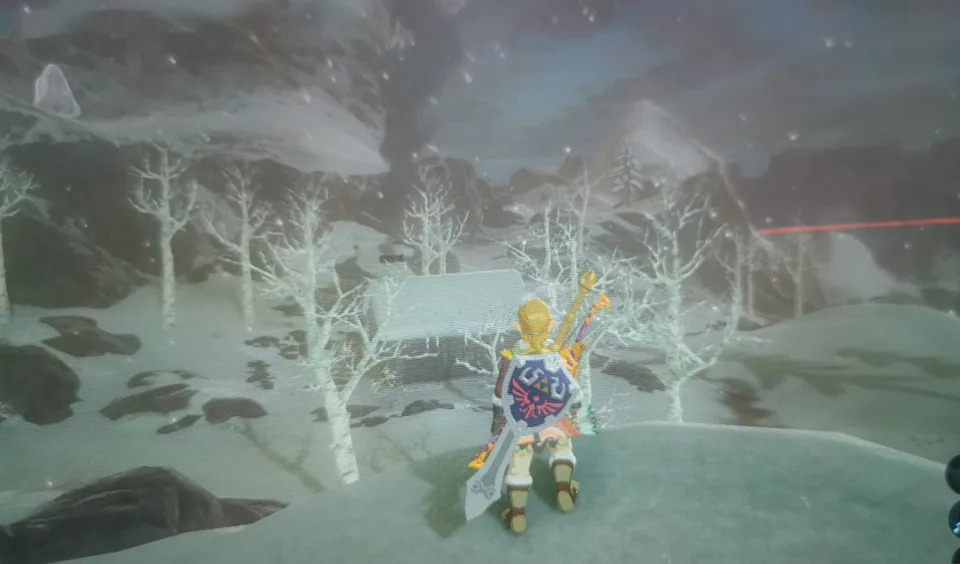
Hebra Mountains and their unforgiving freezing climate in The Legend of Zelda: Breath of the Wild (reproduced with permission from Nintendo). (CREDIT: JMIR Serious Games)
Measures and Comparisons
Participants reported recent play of Breath of the Wild (an open-world Zelda title) and Yoshi's Crafted World (a gentle, colorful platformer). They completed standard items assessing loneliness (feelings of companionship, emptiness, having someone to turn to) and a stoicism-related scale (reflecting on life's transience, focusing on controllable factors, and maintaining personal conduct under hardship).
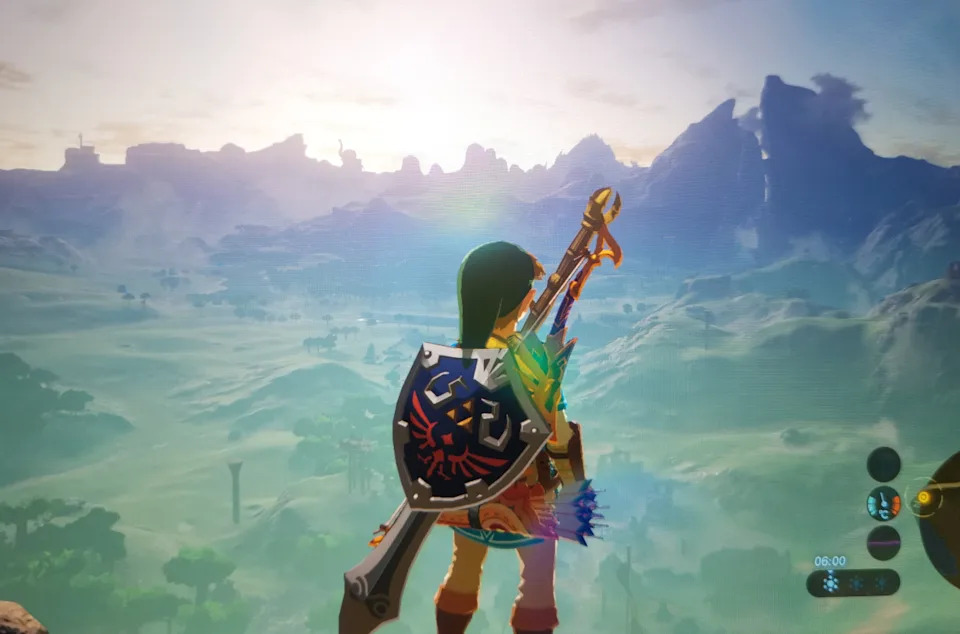
Link overlooking parts of the vast, open world of Hyrule in The Legend of Zelda: Breath of the Wild (reproduced with permission from Nintendo). (CREDIT: JMIR Serious Games)
Key Findings
Compared with nonplayers, players showed lower average loneliness and higher stoicism:
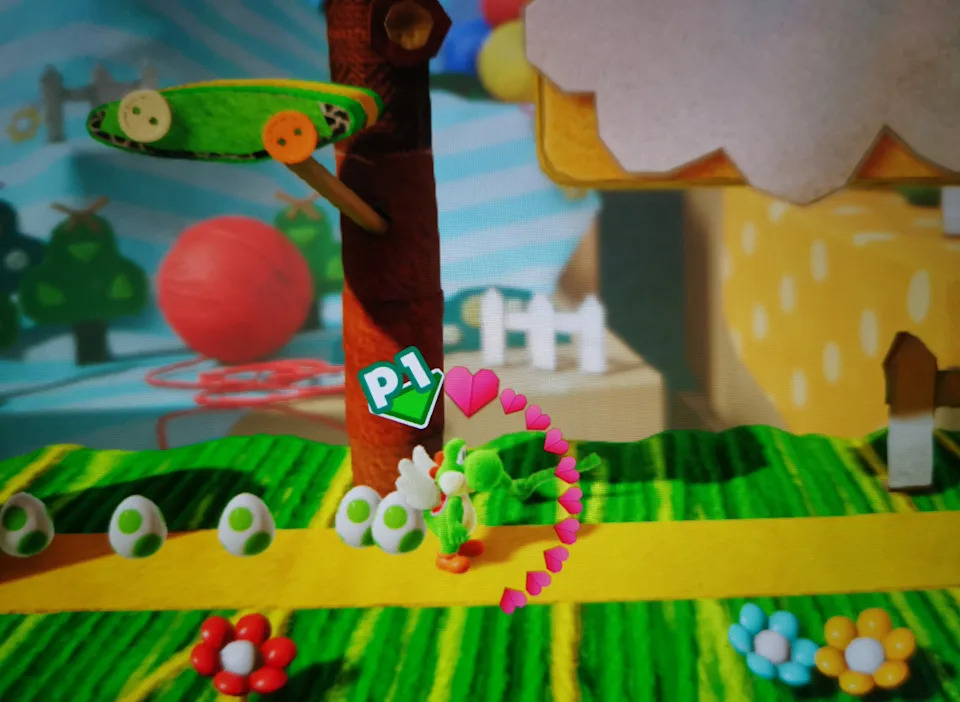
Cheerful landscape in Yoshi's Crafted World (reproduced with permission from Nintendo). (CREDIT: JMIR Serious Games)
- Zelda players: Stoicism mean = 4.87 vs. 3.23 for nonplayers; Loneliness mean = 3.02 vs. 4.28 for nonplayers.
- Yoshi players: Stoicism mean = 4.49 vs. 3.61 for nonplayers; Loneliness mean = 3.09 vs. 4.21 for nonplayers.
- About 18.5% of respondents reported playing an open-world Zelda game; roughly 11.7% reported playing a Yoshi title.
- Participants who played both titles showed an even stronger association with higher stoicism.
- Gender did not significantly influence loneliness or stoicism in the analyses.
How the Authors Interpret the Results
The researchers suggest two complementary effects: open-world games such as Breath of the Wild may encourage persistence, problem-solving and self-reliance by placing players in large environments with scarce starting resources and repeated chances to try again; accessible, cheerful games like Yoshi's Crafted World may foster calm attention, discovery and emotional recovery through low-pressure exploration and small pleasures. Together, the authors call this a balanced "digital diet."
"Contrary to the stereotype of gaming as mere escapism, we found that open-world and accessible, joyous games can help foster a resilient, stoic mindset and alleviate loneliness," said lead author Andreas B. Eisingerich.
Statistical Pathways
The team tested mediation models and found a strong relationship between Zelda play and higher stoicism, and between stoicism and lower loneliness. Stoicism partially mediated the link between game play and loneliness, but both Zelda and Yoshi play retained direct associations with lower loneliness after accounting for that pathway.
Important Limitations
- The study used a cross-sectional design and a convenience sample recruited outside one game store. That means it captures a single moment in time and cannot establish causation — people who are already less lonely or more resilient may be more likely to choose these games.
- Researchers lacked detailed data on income, education, living arrangements, general social contact, social-media use, lifestyle and broader gaming habits.
- All measures were self-reported, which can introduce bias. The sample may not generalize to the broader population of adults or to other gaming communities.
What This Does — and Doesn’t — Mean
The paper does not propose video games as a replacement for professional mental-health care. Loneliness can accompany serious mental and physical health problems that require clinical attention. Instead, the authors frame certain mainstream single-player games as potential adjuncts that might help shape how people respond to difficult feelings during solitude.
Next Steps
The authors call for longitudinal studies and randomized trials to test whether assigning certain games can causally change loneliness or resilience over time. They also encourage future research to collect richer participant information and objective play data.
Publication: Findings are available in the journal JMIR Serious Games. The original news report appeared in The Brighter Side of News.
Help us improve.