The UC Davis study (published in Scientific Reports on Sept. 15, 2026) examined how 61 teenagers reacted after three‑minute encounters with rescued miniature horses and donkeys. Teens were split between gentle back petting and vigorous neck scratching, and learned to read two equine cues: lip wriggling (pleasure) and walking away (wanting space). All teens reported reduced loneliness, anxiety, nervousness and sadness; lip wriggling was linked to larger drops in loneliness, while seeing an animal walk away was unexpectedly associated with greater reductions in sadness. The results suggest allowing animals to show choice can make interactions feel more authentic and beneficial.
Teens Felt Less Sad When Miniature Horses Chose to Walk Away, UC Davis Study Finds
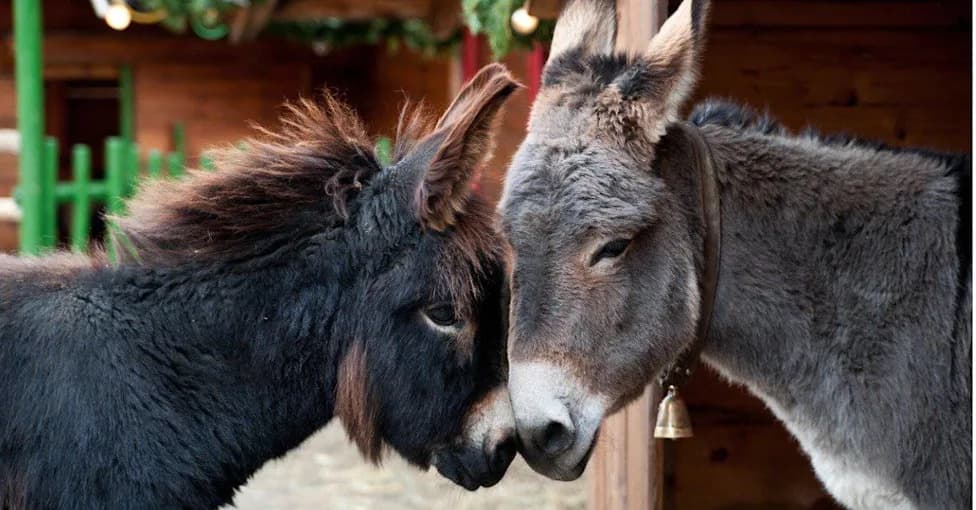
baby donkey and mother© iStock.com/tepic
Inside a 20' by 40' pen, a small herd of rescued miniature horses and donkeys waited for human visitors — not as passive exhibits but as therapy animals taking part in a structured research study. Led by researchers at the University of California–Davis, the experiment examined how reciprocity and animal choice shape human–animal interactions.
The study, published in Scientific Reports on September 15, 2026, tracked brief encounters between 61 teenagers and four rescued equines — Olivia and Randy (miniature horses) and Mary and Memphis (miniature donkeys). Each teen spent three minutes with the herd. Participants were split into two groups: one instructed to gently stroke the animals' backs, and the other to vigorously scratch the animals' necks, a motion that mimics how equines groom one another.
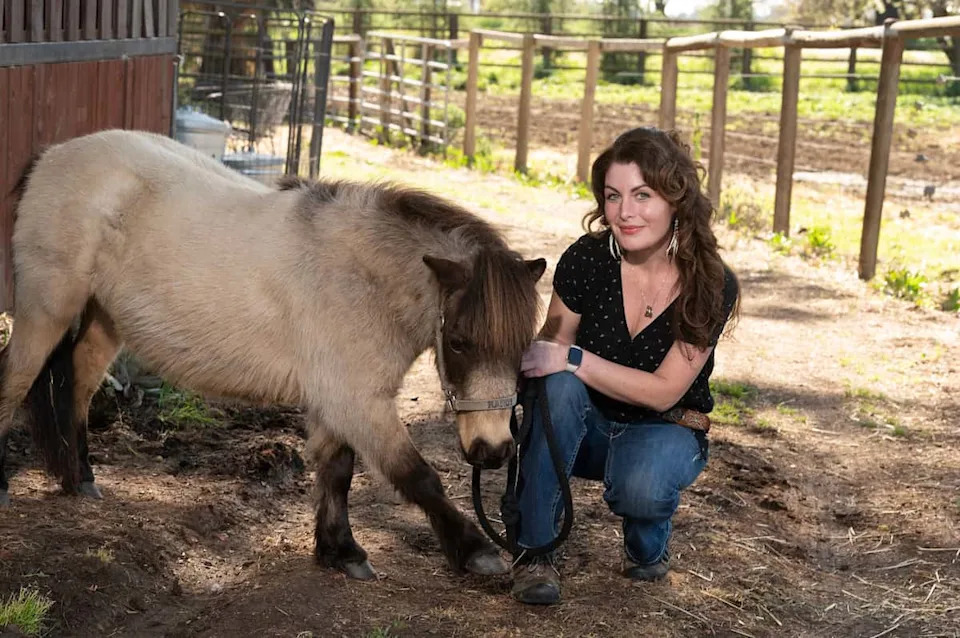
Professor Rebecca Calisi Rodriguez runs SkyHeart Animal Sanctuary that has miniture horses, goats and pigs on February 26, 20226. Though it is not affiliated with UC Davis, she does have classes for students at her sanctuary.©Rebecca Calisi Rodríguez –Original/License
Before the sessions, teens learned to recognize two equine cues: lip wriggling (a signal of pleasure) and walking away (a signal the animal wants space). Researchers then compared how often those cues appeared and how the teens' emotions changed after each encounter.
Key behavioral findings:
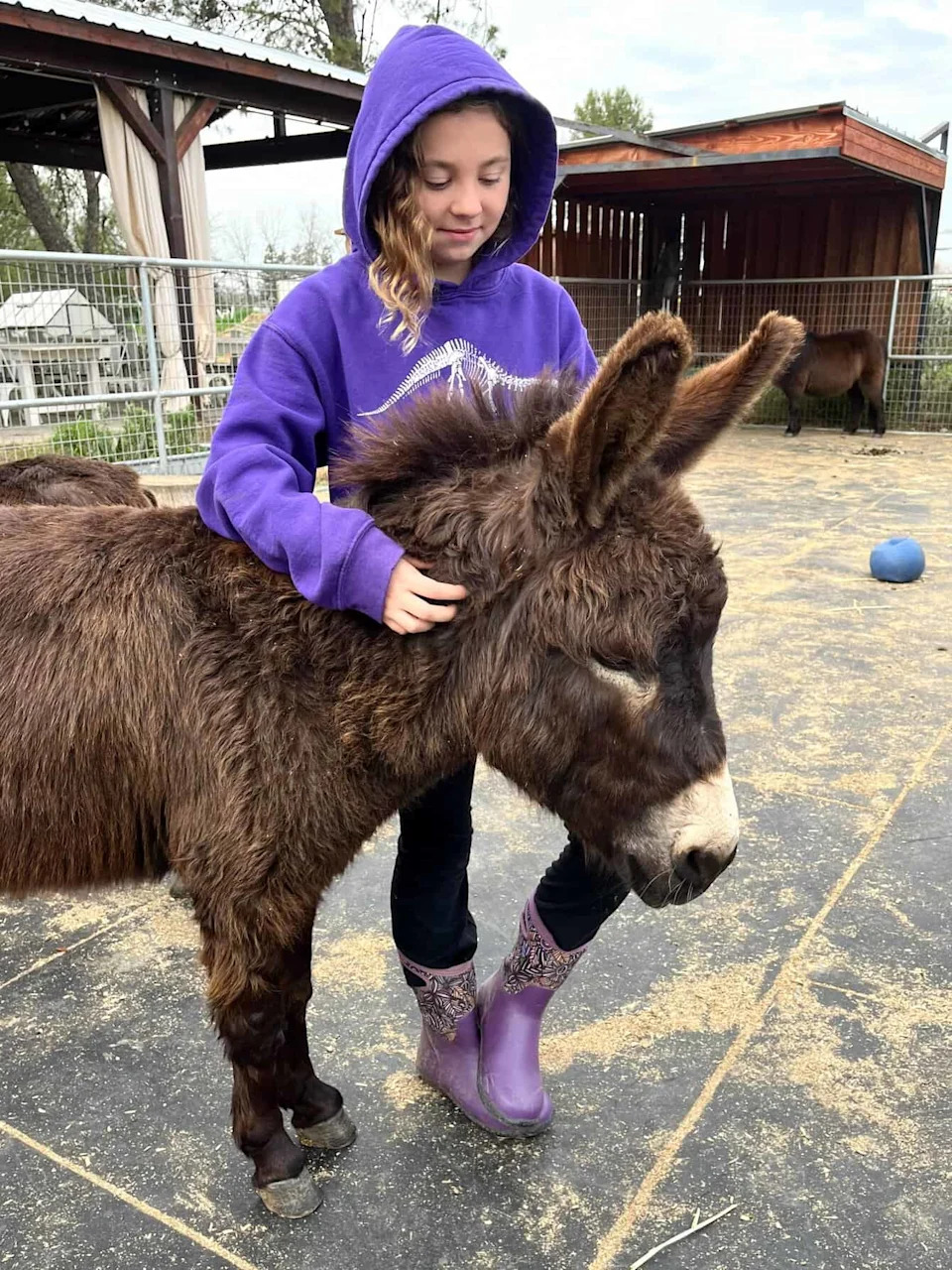
A teen petting one of the miniature donkeys during the study.©Rebecca Calisi Rodríguez –Original/License
- Lip wriggling occurred in roughly three-quarters of neck‑scratching sessions but in under half of back‑petting sessions.
- When teens stroked backs, the animals walked away in nearly 90% of sessions; when teens scratched necks, animals walked away in about 42% of sessions.
Emotional outcomes for teens were uniformly positive: all participants reported increased calmness and lower levels of loneliness, anxiety, nervousness and sadness after interacting with the equines, regardless of touch type. Teens who observed lip wriggling experienced a larger decrease in loneliness.
Perhaps the study's most surprising discovery: teens who watched an animal deliberately walk away from the interaction reported greater reductions in sadness than those who did not see an animal depart.
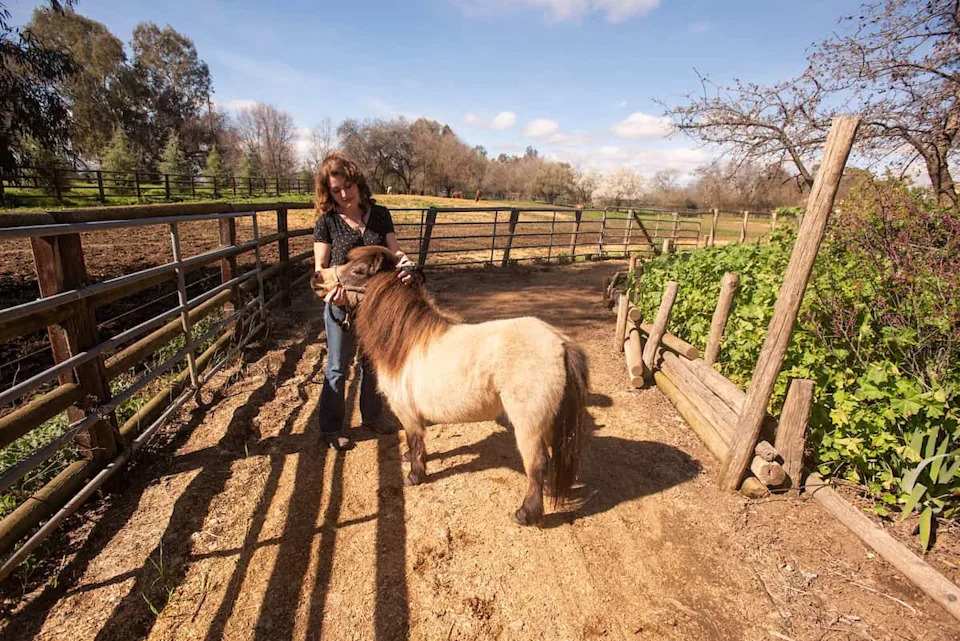
Professor Rebecca Calisi Rodríguez with one of the equines used in the study.©Rebecca Calisi Rodríguez –Original/License
"I love that this unexpected result challenges the assumption that more animal engagement is always better," said Rebecca Calisi Rodríguez, associate professor of neurobiology, physiology and behavior and director of the Green Care Lab at UC Davis. "A meaningful interaction may not require an animal to engage with us continuously. Seeing an animal exercise choice — being free to approach you, stay with you, or walk away — may make the interaction feel more authentic."
The study highlights the importance of treating animals as active participants rather than passive tools in animal‑assisted interventions. Calisi Rodríguez and her team argue that understanding animals' experiences is both an ethical responsibility and a practical need: animal choice and wellbeing may influence how effective human‑animal programs are for improving mental health.
The findings could inform the design of future programs by encouraging practices that allow animals to express preferences and exercise agency, ultimately aiming to create interactions that benefit both people and animals. The paper also notes real‑world connections to sanctuaries such as SkyHeart Animal Sanctuary, where rescued equines, goats and pigs are cared for and where some of the researchers have teaching ties.
Study citation: UC Davis research team, Scientific Reports, published September 15, 2026.
Help us improve.