The Concordia University survey of more than 15,000 people in 81 countries finds that convenience, perceived microbial safety and advertising help sustain single-use bottled-water consumption despite growing awareness of microplastics. Younger and more-educated respondents were likelier to buy disposable bottles, while older people favored refillables. Ad exposure was statistically linked to higher consumption (p < 0.00001; R2 = 0.060), but risk awareness alone often did not change behavior.
Why People Still Buy Bottled Water: Convenience, Safety Fears and Advertising Drive Global Demand
Photo Credit: iStock
A large new survey from Concordia University finds that single-use bottled water remains widely popular worldwide—even as concern about microplastics and their health and environmental impacts grows. The analysis, published in the peer-reviewed Journal of Cleaner Production, draws on responses from more than 15,000 people across 81 countries to identify the social, demographic and situational drivers behind bottled-water consumption.
Key Findings
The study shows that bottled-water use is shaped by more than awareness of plastic risks. Convenience, perceived protection against microbes and exposure to advertising were all associated with continued reliance on disposable bottles. Use of single-use bottles also correlated with age, education level, geographic region and access to potable tap water.
Demographics and habits: Younger and more highly educated respondents were more likely to purchase single-use bottles, while older participants tended to carry refillable containers. Interestingly, younger people were also more likely to recycle single-use bottles.
“The survey results show that awareness [of plastic-related health hazards] does not always change behavior. There is much more at play,” said lead author Sarah Sajedi, speaking to Phys.org.
Advertising, Risk Perception and Consumption
Using a linear regression model, the researchers found that ad exposure was positively associated with bottled-water consumption. The regression was statistically significant (p < 0.00001) and produced an R2 value of 0.060, indicating that ad exposure explains roughly 6% of the variation in consumption behavior. At the same time, perceived risk alone did not reliably reduce purchases—many respondents who believed single-use bottles contained nano- and microplastics still bought them.
Public beliefs: In the survey, 75% of respondents believed single-use bottles contained nano- and microplastics, and 70% thought there was a link between those plastics and cancer. The largest share of participants came from the United States and Canada. The questionnaire included 25 items covering bottled-water use, recycling and refillable-bottle habits, water access, motivations for using plastic bottles, ad exposure, environmental and health awareness, and demographic information.
Scale and Broader Context
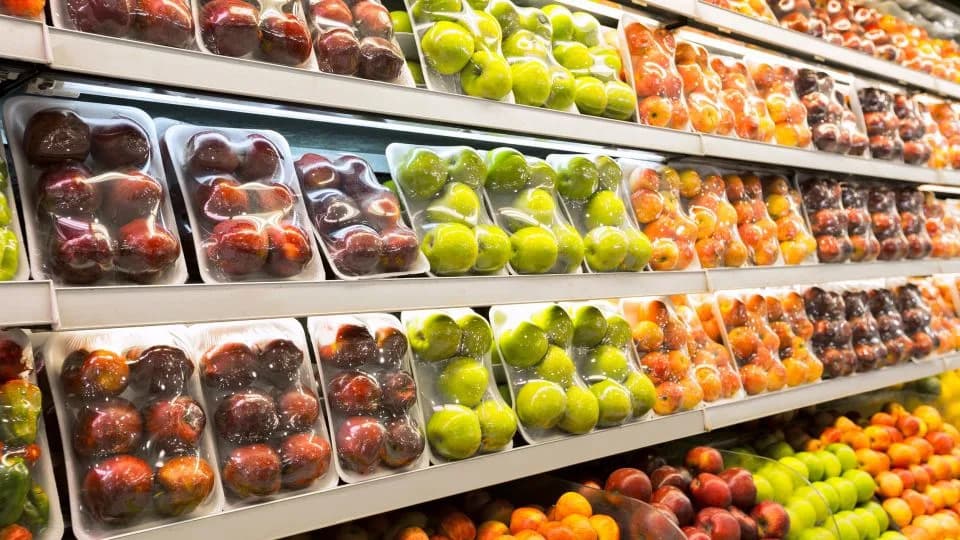
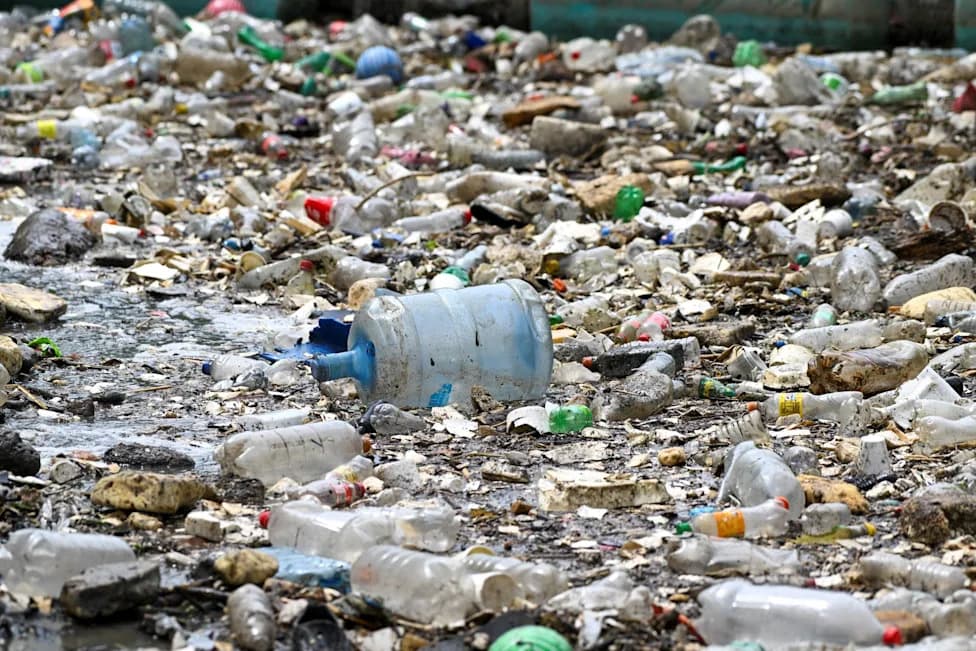
Global bottled-water sales remain enormous: roughly one million bottles are sold every minute worldwide—about 1.3 billion per day and over 500 billion per year. Much of that plastic ends up in landfills, and studies have detected nano- and microplastics accumulating in human organs and ecosystems.
Other recent research provides context: some treatment-plant studies have reported higher-than-expected contamination in bottled water; dietary studies suggest that quitting bottled water can sharply reduce microplastic ingestion; and mapping of plastic exposure has highlighted bottled water’s nanoplastic load as a potential public-health concern.
Implications
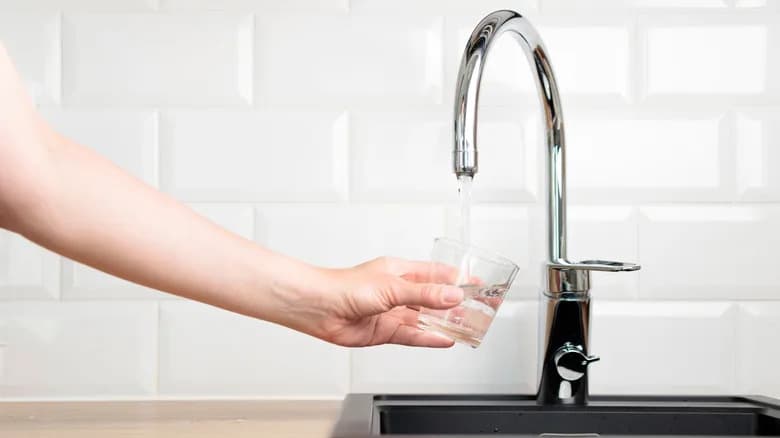
The findings suggest that reducing bottled-water consumption will require more than raising awareness about plastics. Addressing convenience, perceived safety concerns about tap water, and the influence of advertising will be important if policymakers and advocates want to shift behaviors at scale.
Study citation: Sajedi et al., Journal of Cleaner Production (Concordia University); survey of 15,000+ respondents across 81 countries.
Help us improve.